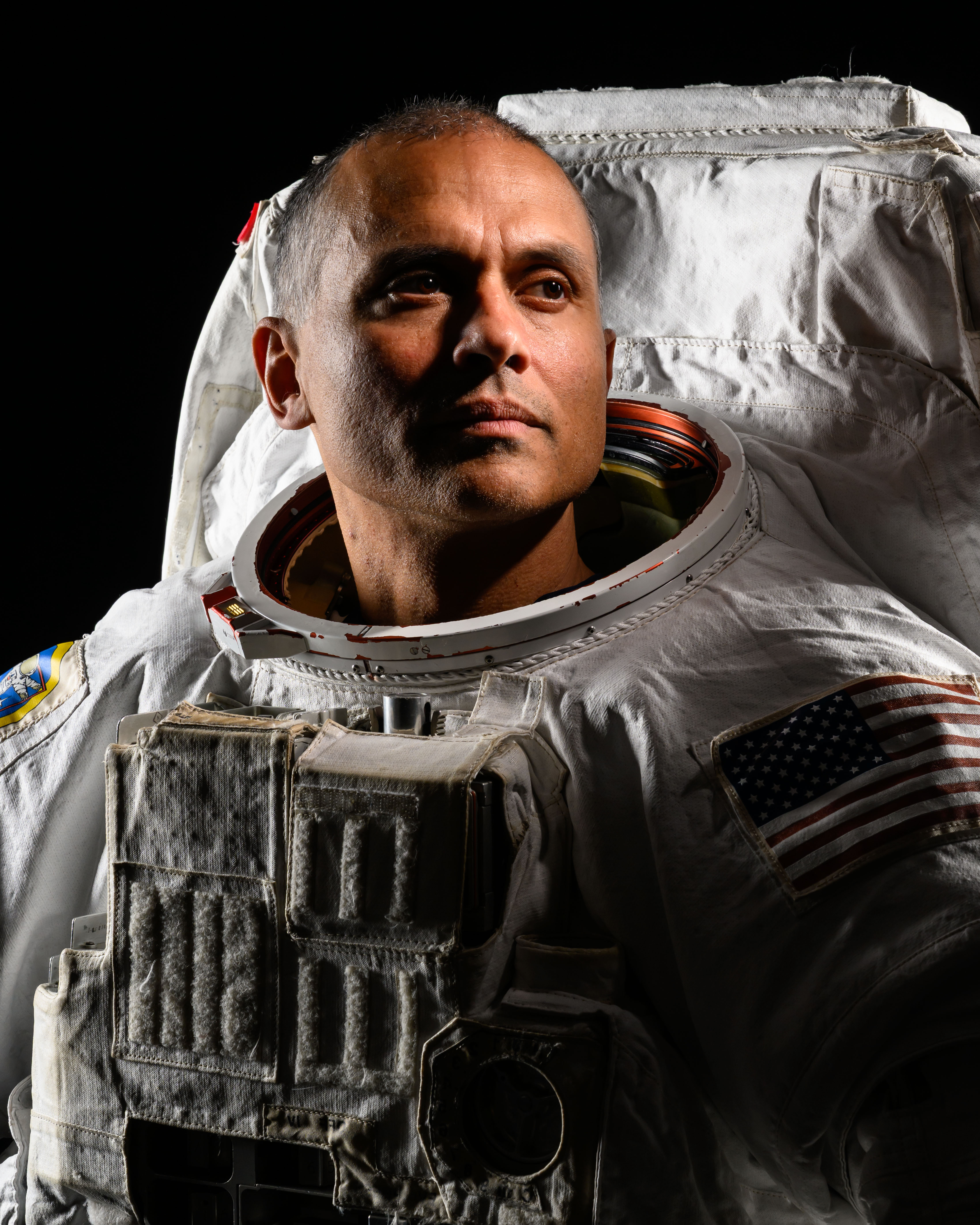
NASA astronaut Anil Menon launches to the International Space Station aboard the Roscosmos Soyuz MS-29 spacecraft on July 14. Menon flies with Russian cosmonauts Pyotr Dubrov and Anna Kikina to join Expedition operations aboard the orbital outpost.
The mission continues the decades-long partnership between NASA and Roscosmos on human spaceflight. Despite geopolitical tensions, the two agencies maintain crew exchange agreements that keep the ISS continuously staffed. American astronauts regularly launch from Russia's Baikonur Cosmodrome, while Russian cosmonauts board American vehicles. This collaboration reflects the station's purpose as a platform for international cooperation in microgravity research.
Menon's assignment marks another rotation in the ISS's expedition crews. The station operates with overlapping teams that ensure scientific continuity. Incoming crew members conduct experiments in materials science, biology, physics, and Earth observation while outgoing personnel complete their research objectives.
The Soyuz spacecraft remains the workhorse for ISS crew transport. Russia's spacecraft provides reliable access to the station through proven systems developed over decades. Each Soyuz carries three crew members in a compact capsule designed for launch, orbital operations, and return. The vehicle docks at the station's Russian segment, though all crew members work across the entire facility.
Menon's flight demonstrates NASA's reliance on international launch providers. Since the Space Shuttle's retirement in 2011, NASA purchased seats on Russian spacecraft until commercial vehicles became operational. SpaceX's Crew Dragon now carries some NASA astronauts, offering redundancy. Roscosmos Soyuz flights remain part of the agency's strategy to maintain continuous human presence on the ISS.
The International Space Station orbits Earth at 17,500 miles per hour,