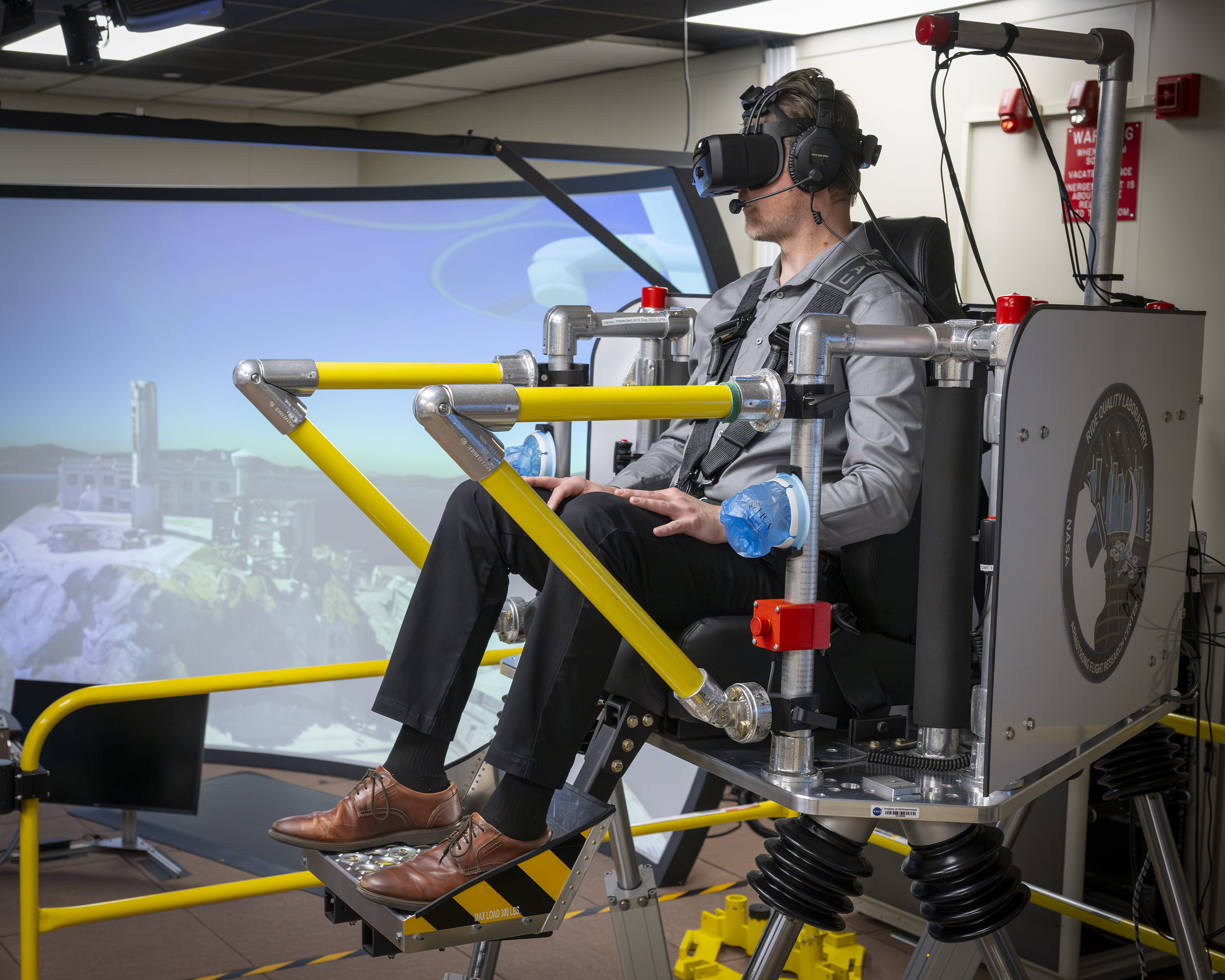
NASA research identifies the conditions that will make air taxi rides comfortable enough for passengers to actually use them. The study examines how aircraft motion, vibration, and handling affect passenger comfort and acceptance of urban air mobility services.
The agency's findings matter because air taxi companies face a market challenge beyond engineering. They must prove their vehicles feel safe and pleasant to ride in, or adoption will stall regardless of technical capability. NASA's work maps the threshold between acceptable and unacceptable turbulence, acceleration, and vibration profiles during flight.
Urban air mobility represents a near-term application of vertical-takeoff-and-landing technology. Companies like Joby Aviation, Archer Aviation, and Lilium are developing electric aircraft for short-distance city travel. These vehicles will carry passengers on trips of five to fifty miles, replacing ground transportation in congested urban corridors.
NASA's comfort metrics become commercial specifications. The research translates into design requirements for suspension systems, flight control algorithms, and operational procedures. If an air taxi experiences too much vibration during hover or acceleration, passengers will reject the service. If landings generate excessive g-forces, the market disappears.
The data also informs passenger expectations. People accustomed to commercial airliners experience minimal turbulence because large aircraft have inertia. Small air taxis weigh far less and respond more dramatically to atmospheric conditions. NASA's work helps manufacturers and operators understand what comfort levels passengers will tolerate in these lighter vehicles.
This research accelerates the timeline toward operational air taxi networks. Cities including Los Angeles, Miami, and Singapore have partnerships with manufacturers for initial service launches. NASA provides the scientific foundation that lets these companies optimize their designs for human factors alongside engineering performance.
The study reflects NASA's role in emerging transportation systems. Rather than building air taxis themselves, the agency generates baseline knowledge that the entire industry adopts. Comfort data becomes as foundational to air