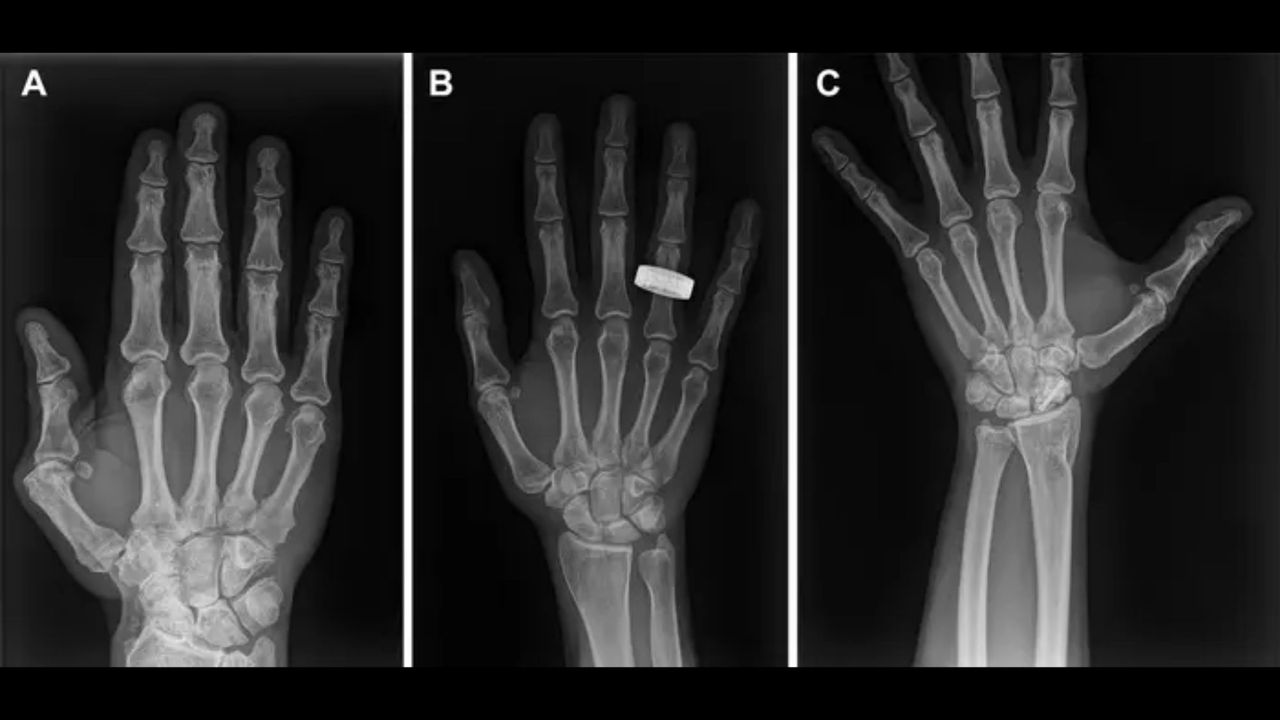
Astronauts aboard the International Space Station have operated a portable X-ray device in microgravity, marking the first successful use of radiography technology in orbit. The experimental equipment completed diagnostic imaging tasks that could revolutionize medical care during long-duration spaceflight and lunar missions.
The portable X-ray system represents a critical capability for deep space exploration. Future astronauts on the Moon or Mars will lack access to Earth-based medical facilities. Fractures, internal injuries, and other trauma demand rapid diagnosis. This device enables crew members to identify broken bones, assess soft tissue damage, and evaluate medical emergencies without returning to Earth.
Beyond human health, the technology serves broader mission objectives. X-ray imaging can detect structural damage in spacesuits, identify micrometeorite impacts in spacecraft hulls, and assess integrity of satellite components. The ability to diagnose hardware failures in real time enhances crew safety and extends mission duration by enabling rapid repairs rather than emergency returns.
Microgravity presented unique challenges for this technology. Equipment behavior differs fundamentally in weightlessness compared to Earth laboratories. Radiation exposure levels required careful monitoring in the confined ISS environment. The successful demonstration proved the device functions reliably despite these obstacles.
The implications extend to lunar exploration timelines. NASA's Artemis program plans sustained human presence on the Moon within this decade. Medical diagnostic capability becomes essential for multi-week missions far from Earth. The portable X-ray device removes a critical gap in astronaut healthcare infrastructure.
Future iterations will likely incorporate imaging software optimized for spaceflight conditions and smaller form factors for transport aboard landers. Integration with telemedicine systems could enable real-time consultation with Earth-based radiologists during diagnosis of complex injuries.
This advancement reflects broader trends in space medicine. As missions extend deeper into the solar system, crews require autonomous medical capabilities. The successful orbital X-ray test demonstrates that space agencies