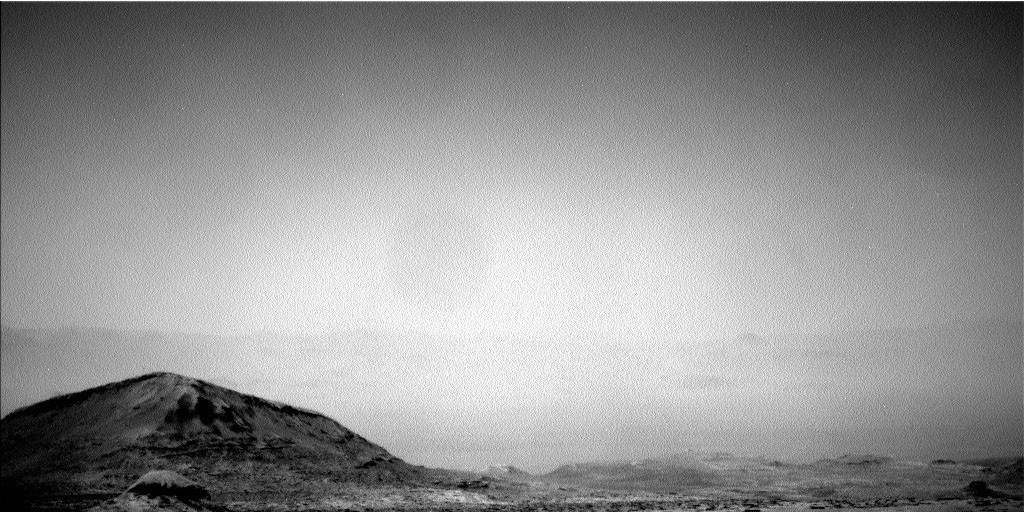
NASA's Curiosity rover continues its methodical exploration of Gale Crater, advancing through distinct geological units with renewed momentum after completing operations during sols 4947-4953. The six-sol sequence demonstrates the rover's sustained capability to navigate and analyze Mars' landscape more than thirteen years into its mission.
Curiosity traversed multiple mapped geological units during this period, each representing unique depositional environments preserved in the Martian record. By systematically visiting different units in sequence, the rover builds a stratigraphic understanding of Gale Crater's geological history, revealing how environmental conditions changed over billions of years. This methodical approach yields data about water-rock interactions, mineral composition, and ancient atmospheric conditions critical to assessing Mars' past habitability.
The rover's pace through these units reflects optimized operational planning. Rather than exhaustively studying single locations, Curiosity's team prioritizes covering terrain strategically, maximizing scientific return across the crater's varied geology. Each unit presents distinct mineral assemblages and rock formations that collectively construct a narrative of Mars' climate evolution from a potentially habitable world to the cold, dry planet observed today.
Atmospheric scientist Alex Innanen's oversight at York University, Toronto underscores the international collaborative structure supporting Curiosity operations. The rover's instruments continue collecting atmospheric data alongside surface geology, providing context for understanding how Mars lost most of its atmosphere and transitioned from potentially wet conditions to present aridity.
Curiosity's sustained performance across 4900-plus sols validates the rover's design robustness. Originally planned for a two-year primary mission, the rover has outlasted expectations through engineering durability and careful maintenance protocols. Each sol of operation extends humanity's direct understanding of Martian geology and past habitability beyond what orbital observations alone can reveal.
The exploration of successive geological units within Gale Crater remains foundational work for eventual human Mars exploration, establishing