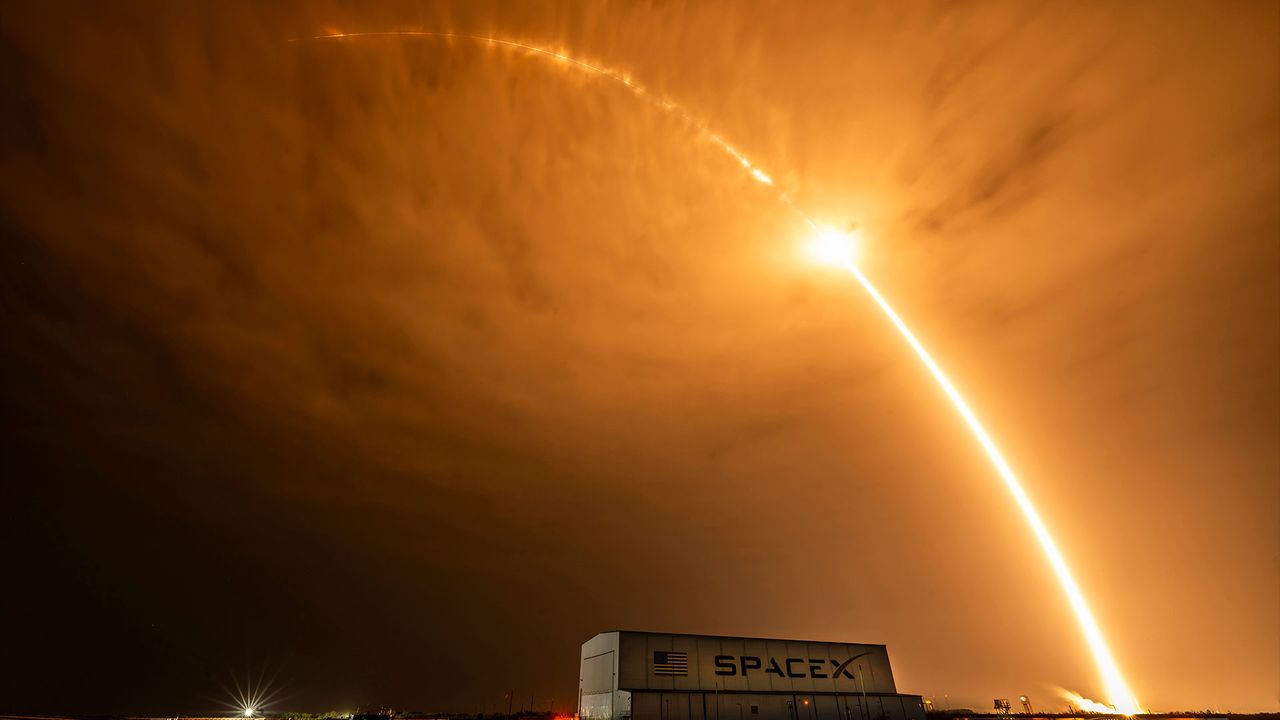
SpaceX achieved a historic milestone on July 13-14, 2026, when a flight-proven Falcon 9 booster completed its 600th orbital mission while deploying Starlink satellites. The company launched two separate Falcon 9 rockets eight hours apart from opposing U.S. coasts, demonstrating the operational tempo and geographic flexibility of its launch cadence.
The 600th flight-proven booster launch represents a watershed moment for reusable rocket technology. SpaceX pioneered booster recovery in 2015 and has steadily increased flight rates across its reusable fleet. This milestone quantifies the economic and operational advantages of vertical takeoff, vertical landing vehicles. Each flight-proven booster that returns to service reduces launch costs and accelerates deployment schedules for Starlink, SpaceX's expanding broadband constellation.
The dual launch from both coasts underscores SpaceX's capacity to maintain multiple orbital launch sites simultaneously. Operating from Cape Canaveral Space Force Station in Florida and Vandenberg Space Force Base in California allows rapid payload deployment across different orbital inclinations. Starlink satellites launched on both flights will expand coverage of SpaceX's internet constellation, which now includes thousands of operational units in low Earth orbit.
These Starlink deployments feed SpaceX's broader strategy of achieving operational independence and profitability. Revenue from the internet service helps fund development of Starship, the fully reusable super-heavy launch system in testing. As SpaceX continues improving Falcon 9's flight rate and reliability, the company maintains its position as the world's most active launch provider.
The 600th flight-proven booster flight crystallizes a fundamental shift in spaceflight economics. Rocket reusability, once considered theoretically impossible by industry skeptics, now drives launch cadences unimaginable a decade ago. This rapid