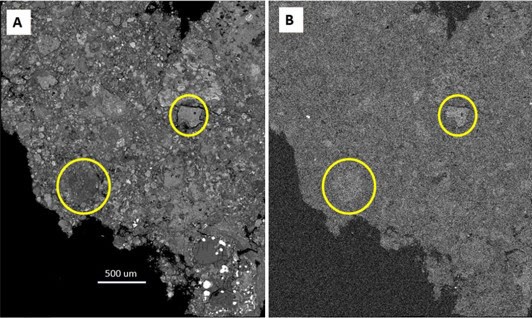
NASA scientists have recovered a meteorite that fell to Earth on July 16, 2024, and the fresh specimen reveals unprecedented details about water and chemical processes in the early solar system. The rapid recovery of the meteorite before terrestrial contamination occurred gives researchers access to pristine material from ancient asteroids that formed billions of years ago.
The meteorite contains chemical signatures pointing to interactions between water and rock in the parent asteroid's interior. This aqueous alteration process fundamentally shaped the composition of primitive bodies that seeded the solar system. By analyzing uncontaminated samples, NASA researchers can trace how these chemical reactions progressed and what compounds they produced.
The discovery holds direct implications for understanding prebiotic chemistry. The same water-rock interactions that transformed asteroids may have synthesized organic molecules and other building blocks essential for life. Early meteorite delivery to planets, particularly Earth, could have transported these ingredients to worlds where conditions allowed biology to emerge.
Pristine meteorite samples command extraordinary scientific value precisely because they avoid the weathering and contamination that occurs when specimens sit on Earth's surface for extended periods. The July 2024 fall's immediate recovery preserved its original mineralogy and chemical composition. NASA's network for meteorite detection and recovery made locating this specimen possible, enabling scientists to obtain material in near-perfect condition.
The analysis contributes to the broader picture of asteroid composition and evolution. Understanding how water altered primitive asteroids informs models of solar system formation and the distribution of resources among rocky bodies. These insights also refine expectations for what robotic missions to asteroids, such as NASA's Osiris-Rex and upcoming ventures, should prioritize investigating.
This meteorite study underscores why rapid response to meteorite falls matters. Each fresh specimen captured soon after impact provides a window into conditions and chemistry that prevailed 4.5 billion years ago, before our planets took their final form.