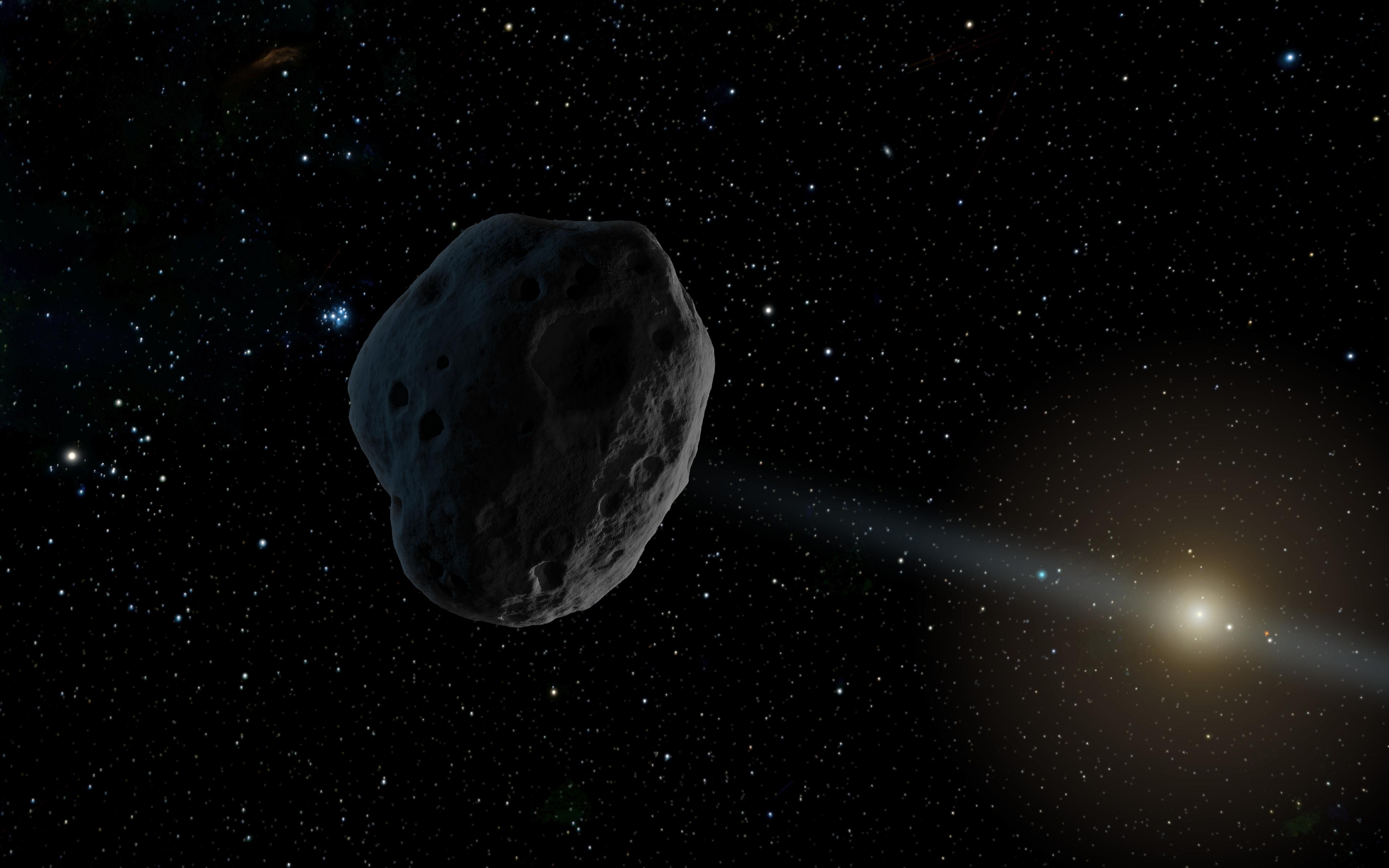
NASA researchers at the Jet Propulsion Laboratory have reclassified a near-Earth object as a comet after detailed orbital analysis and observations from powerful telescopes. The object, initially categorized as an asteroid due to the absence of visible cometary activity in earlier imagery, now shows characteristics consistent with a comet's behavior and composition.
The discovery emerged through precise tracking of the object's motion through space combined with high-resolution imaging from advanced observatories capable of detecting faint celestial structures. This reclassification demonstrates how improved observational techniques and orbital data can fundamentally change our understanding of objects in Earth's neighborhood.
The distinction matters beyond taxonomy. Asteroids and comets follow different formation histories and composition profiles. Asteroids typically formed closer to the sun in the inner solar system, while comets originate from the cold outer regions. A comet's presence in near-Earth space offers clues about how materials migrate through the solar system and what pristine materials might be accessible to future exploration missions.
The dual personality this object displayed—lacking obvious coma and tail activity seen in classical comets while occupying an asteroid-like orbit—highlights how near-Earth objects can defy simple categorization. As the object approached the sun, heating likely activated dormant volatile compounds beneath its surface, finally revealing its cometary nature through spectroscopic signatures and behavioral patterns.
This finding underscores the ongoing refinement of near-Earth object surveys conducted by NASA and international partners. As detection capabilities improve and orbital databases expand, astronomers continue discovering that objects once classified in one category may actually belong to another. Each reclassification enriches our inventory of near-Earth space and refines risk assessments for planetary defense monitoring.
The JPL study contributes to the broader NASA mission of characterizing the population of objects orbiting near Earth, work essential for understanding solar system dynamics and preparing for potential future missions to aster