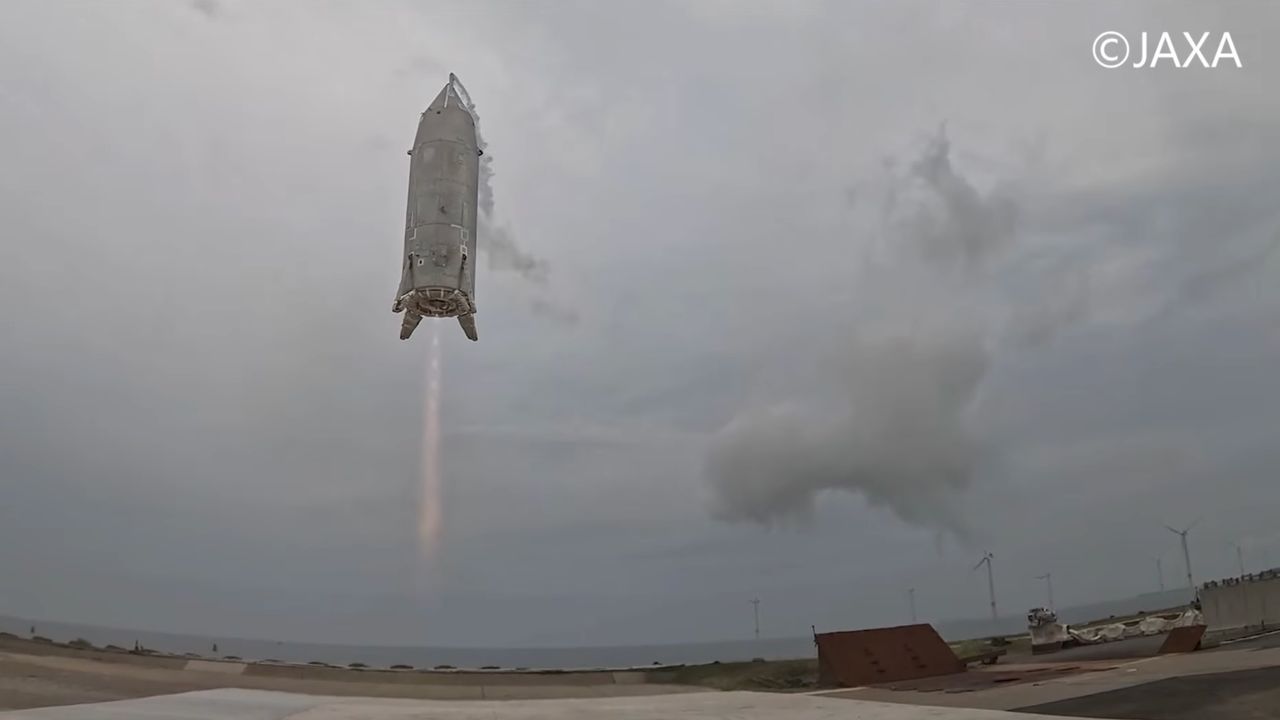
Japan conducted its first flight test of the RV-X experimental reusable rocket prototype, achieving a successful launch and landing. The flight represents a major step in Japan's effort to develop domestically produced reusable launch technology.
The Japanese space industry has historically relied on expendable rockets like the H-IIA and H-III for orbital missions. Development of reusable boosters requires mastering powered descent and vertical landing techniques that SpaceX pioneered with the Falcon 9 first stage. Japan's RV-X prototype demonstrates the nation's commitment to reducing launch costs through hardware reuse.
The test flight validated critical subsystems including engine throttling, autonomous navigation during descent, and landing leg deployment. These capabilities form the foundation for larger reusable rocket development. Japan's approach follows international trends in spaceflight economics. Reusable first stages significantly decrease per-launch expenses compared to expendable vehicles, enabling more frequent access to space.
The RV-X achievement positions Japan to compete in the expanding commercial launch market. National space agencies and private companies worldwide have recognized that reusable rockets lower barriers to space access. This drives down costs for telecommunications satellites, Earth observation platforms, and scientific missions.
Japan's aerospace sector includes companies like Mitsubishi Heavy Industries and IHI, which oversee rocket production and operations. These organizations will integrate lessons from the RV-X test into future operational reusable launch systems. Success here accelerates Japan's path toward independent, cost-competitive launch capabilities that rival SpaceX, Blue Origin, and emerging Chinese providers.
The prototype flight demonstrates that multiple nations can master the engineering required for rocket reusability. Japan joins a select group developing functional reusable boosters, enhancing competition and innovation in spaceflight. As launch costs continue declining, more countries and private ventures gain viable access to orbit, expanding humanity's presence in space.