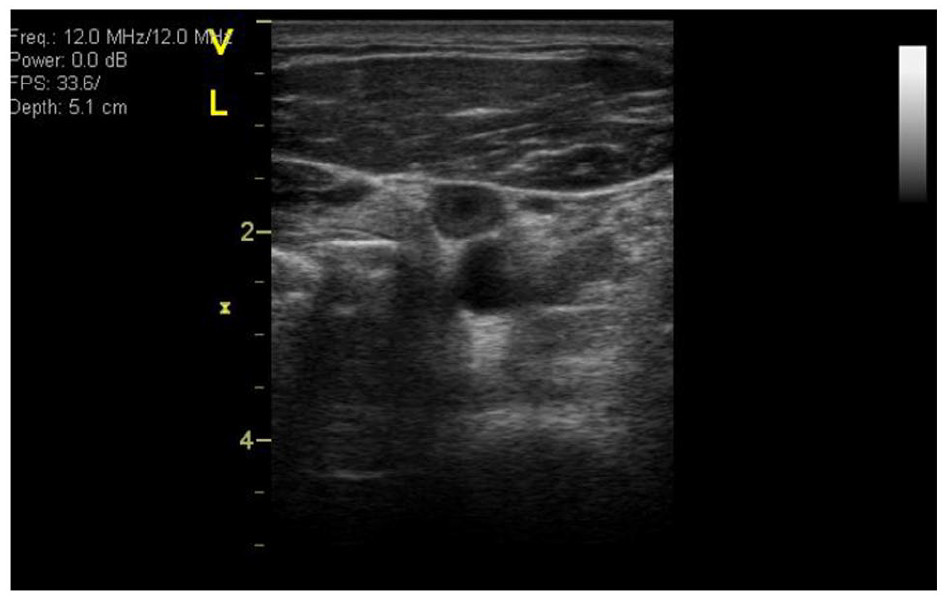
NASA convened a working group in April 2026 to address venous thromboembolism risk among astronauts. The Office of the Chief Health and Medical Officer tasked the group with reviewing fresh VTE case data and blood flow abnormalities detected in spaceflight crews.
Venous thromboembolism, blood clots that form in veins and can travel to the lungs, represents a documented hazard of microgravity exposure. Astronauts experience fluid shifts and reduced leg blood flow during orbital missions, conditions that elevate clot formation risk. NASA's working group examined updated case information alongside new research on altered hemodynamics within the astronaut population to develop protective countermeasures.
The agency's effort aims to establish a VTE risk-scoring algorithm that can identify which crew members face the highest thromboembolism threat before launch. Such a tool would allow mission planners to implement targeted mitigation strategies, ranging from compression garments and increased hydration protocols to pharmaceutical interventions if warranted.
This work reflects NASA's broader commitment to crew health during long-duration spaceflight. As missions extend beyond low Earth orbit toward lunar and Mars destinations, understanding and preventing in-flight medical complications becomes increasingly critical. Astronauts cannot access emergency medical facilities during weeks or months in space, making prevention the primary defense against life-threatening conditions.
The OCHMO initiative signals that NASA recognizes VTE as a quantifiable health risk requiring systematic assessment rather than anecdotal management. By establishing evidence-based risk stratification, the agency can optimize crew selection and mission planning while ensuring astronauts remain protected during spaceflight operations. The working group's research contributes essential data to NASA's expanding medical knowledge base as human spaceflight ventures deeper into the solar system.