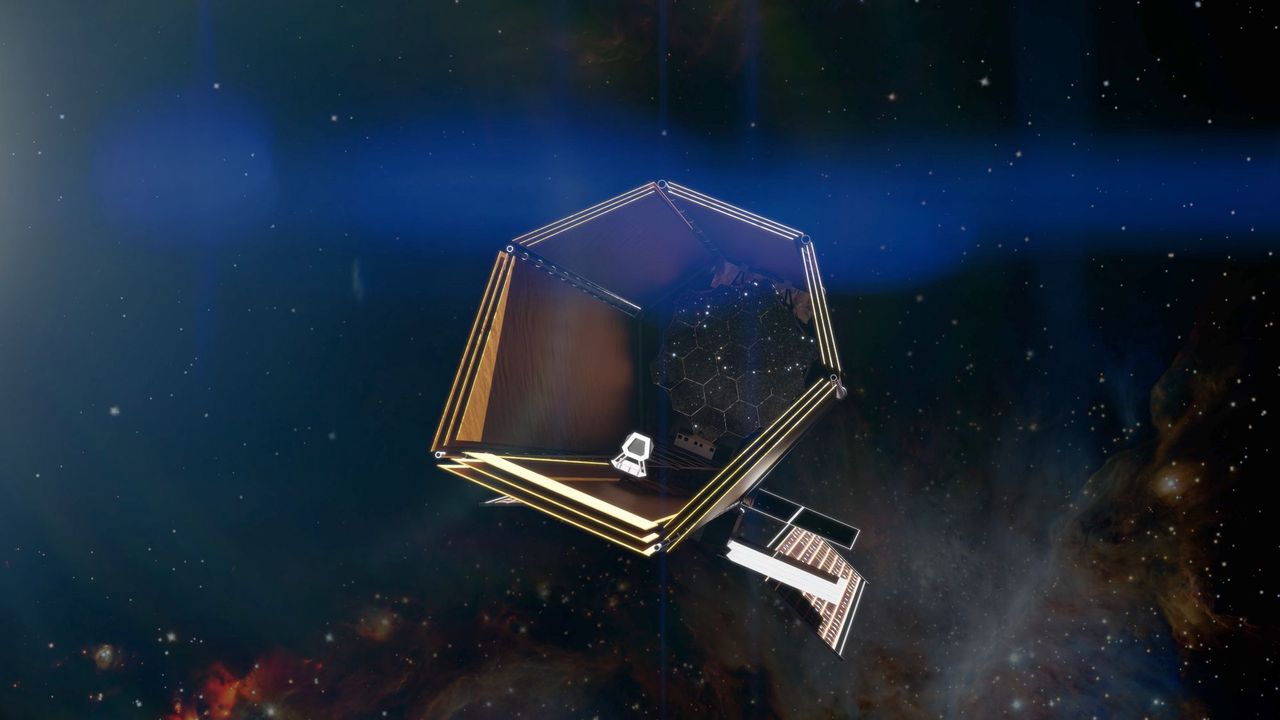
Artificial intelligence systems designed to detect biosignatures in exoplanet atmospheres and extraterrestrial environments face a fundamental vulnerability. Recent research demonstrates that machine learning models routinely misidentify chemical combinations that simulate life signatures but contain no actual biological processes.
The problem centers on how AI classifies spectroscopic data from distant worlds. These systems train on known biosignatures—oxygen, methane, and other compounds associated with life on Earth. But adversarial inputs can fool algorithms into flagging non-biological chemical reactions as evidence of biology. A random atmospheric composition or a geochemical process on a lifeless planet might trigger false positives, sending researchers on wild goose chases for life that does not exist.
This carries real consequences for space exploration strategy. Missions like the James Webb Space Telescope gather expensive, limited observations of exoplanet atmospheres. If AI assistants misidentify target worlds, precious observing time gets wasted on sterile worlds while genuinely habitable planets remain overlooked.
Scientists stress that AI itself is not the problem. The tools excel at pattern recognition across massive datasets. Rather, the issue lies in deployment without robust verification protocols. AI-generated hypotheses require human validation through multiple independent lines of evidence before confirming biosignatures.
The research suggests a hybrid approach works best. AI can rapidly filter through thousands of spectra to flag candidates worth human scrutiny. Astronomers then apply domain expertise, cross-reference chemical abundances, and consider planetary geology before drawing conclusions. This division of labor leverages machine speed while maintaining human judgment as the final arbiter.
For the search for extraterrestrial life, the lesson is clear. No single detection method—whether AI or traditional spectroscopy—carries sufficient weight alone. Confirmation demands convergent evidence from multiple techniques and repeated observations. The stakes for correctly identifying biosignatures are too high for shortcuts. As humanity directs