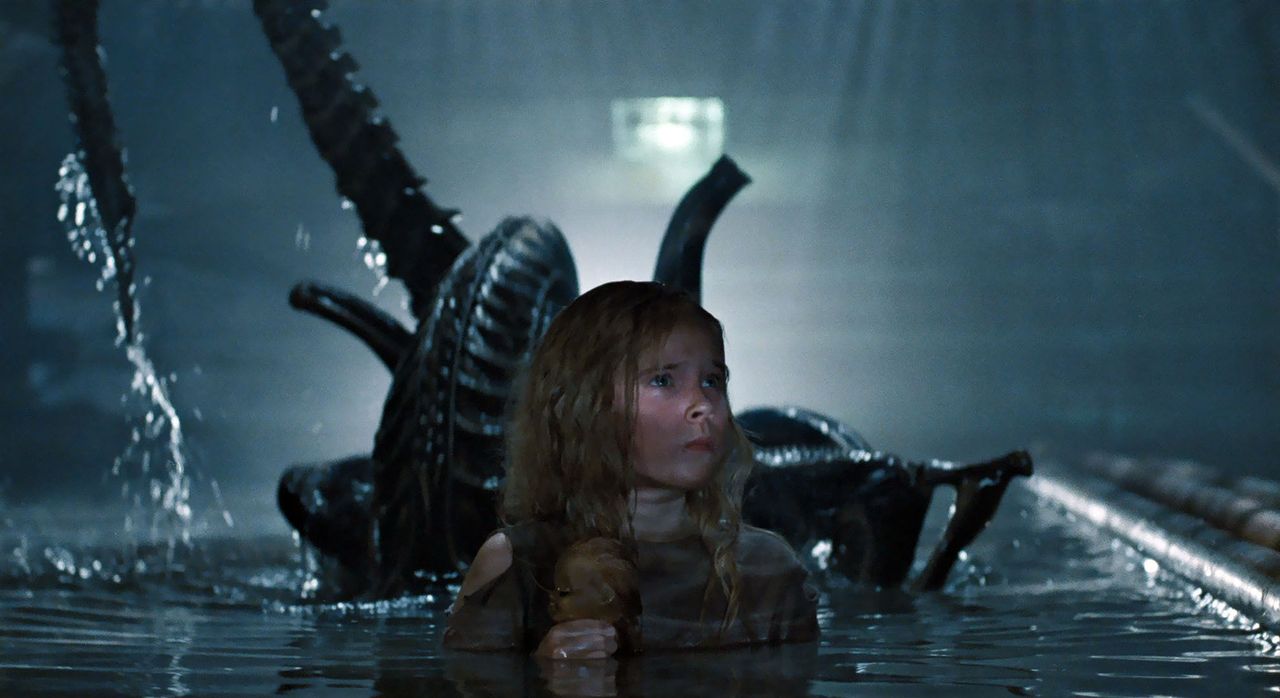
This article celebrates the 40th anniversary of "Aliens," James Cameron's 1986 sequel to Ridley Scott's "Alien." Space.com highlights 26 reasons why the film remains the definitive sci-fi action movie, positioning it above other entries in the genre like "Predator."
Cameron's "Aliens" redefined action cinema by taking the horror-focused original and transforming it into a military science fiction spectacle. The film introduced audiences to the iconic Power Loader exoskeleton, advanced weapons systems, and the motion tracker technology that became visual shorthand for future warfare in space. These elements transcended cinema, influencing actual aerospace design thinking and how engineers conceptualize human-machine interaction in hostile environments.
The film's technical achievements remain unmatched. Cinematographer Adrian Biddle captured zero-gravity sequences and claustrophobic corridors with practical effects that hold up decades later. The creature design by H.R. Giger, combined with Stan Winston's animatronic engineering, created a xenomorph threat that conveyed genuine biological plausibility. These design choices influenced how scientists and engineers visualize potential extraterrestrial organisms and hazardous environment suits.
Beyond spectacle, Cameron embedded genuine exploration physics into the narrative. The film depicted LV-426, a moon orbiting a gas giant, with planetary science that aligned with contemporary understanding. Ripley's journey from civilian to warrior reflected themes central to space exploration: human adaptation, resource scarcity, and survival against overwhelming odds.
The movie's legacy permeates space culture. NASA and other space agencies cite "Aliens" when discussing human factors in deep-space missions. The film's depiction of corporate exploitation of space resources predated commercial spaceflight debates by decades. Its vision of modular spacecraft, automated defense systems, and colonial outposts informed how current space architects design