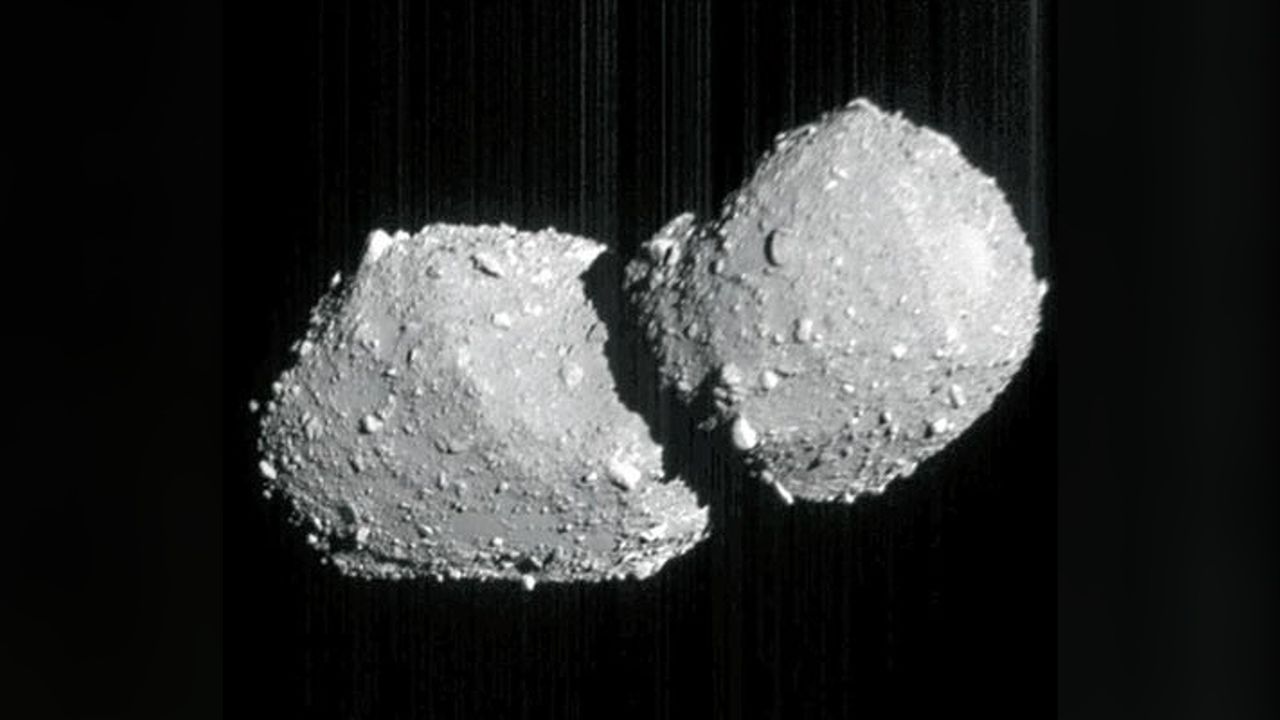
Japan's Hayabusa2 spacecraft executed a razor-close approach to near-Earth asteroid 1998 KY26 on July 5, capturing detailed images that required overcoming significant safety concerns from mission controllers. The flyby occurred at just 3,700 kilometers from the asteroid's surface, an extraordinarily tight margin for a spacecraft that had already completed its primary mission objectives.
The maneuver sparked internal debate within the Japan Aerospace Exploration Agency (JAXA). Engineers raised legitimate hazard concerns about operating the aging probe so close to an unpredictable celestial object. Asteroid 1998 KY26 measures only 30 meters across and rotates extremely rapidly, completing one full rotation every 10 minutes. These characteristics create navigation challenges and potential collision risks that demanded careful analysis.
The Hayabusa2 team ultimately decided the scientific reward justified the operational risk. The spacecraft had already successfully collected samples from asteroid Ryugu in 2020 and returned them to Earth. With its extended mission capability, the close approach to 1998 KY26 offered a rare opportunity to gather high-resolution data on a rapidly rotating asteroid that remains poorly understood.
Hayabusa2 captured images revealing surface features and rotation dynamics of 1998 KY26 that complement decades of ground-based observations. Understanding the physical characteristics of near-Earth asteroids informs planetary defense strategies and helps researchers assess potential future threats. The close-range imagery provides data that distant telescopes cannot obtain.
The successful July 5 encounter demonstrates JAXA's willingness to push operational boundaries when mission science justifies calculated risk. Hayabusa2 has now traveled approximately 5.2 billion kilometers since its December 2014 launch, far exceeding its original planned lifetime. The spacecraft continues operating effectively, offering Japanese scientists opportunities for additional investigative flyb