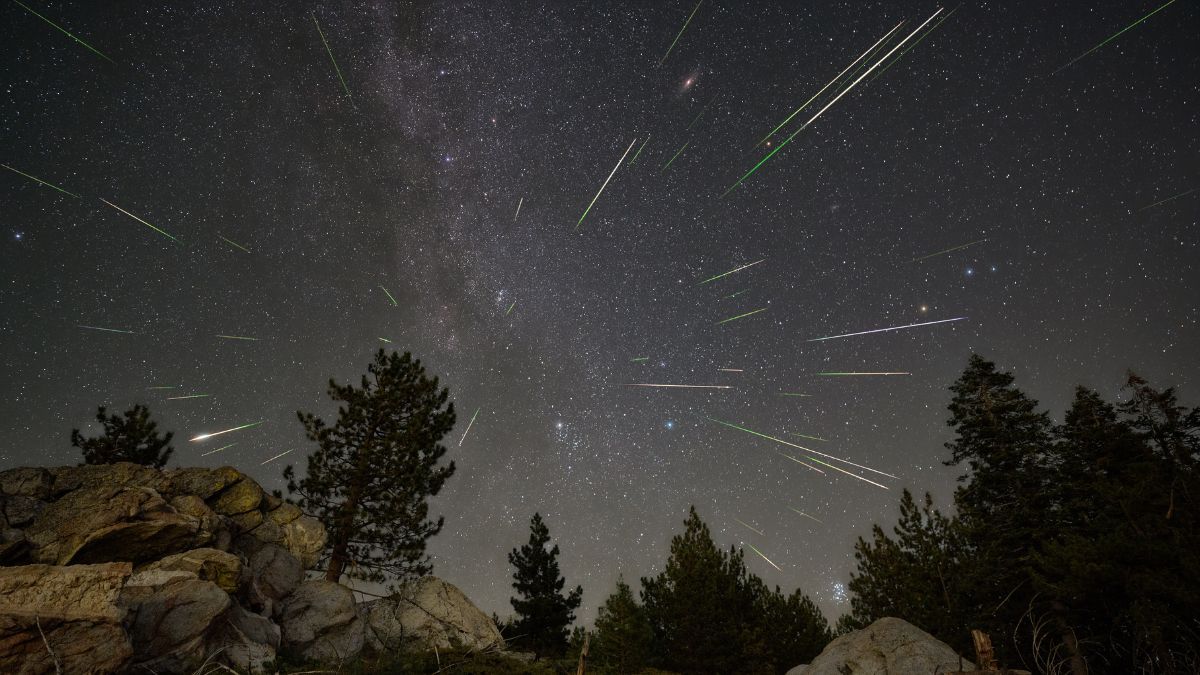
The Perseid meteor shower arrives this week, offering skywatchers frequent opportunities to observe "shooting stars" through mid-August. The shower peaks around July 17, coinciding with two other concurrent meteor showers that extend viewing opportunities throughout July and into August.
Meteor showers occur when Earth passes through debris trails left by comets or asteroids. The Perseid shower originates from the Swift-Tuttle comet, which orbits the sun every 133 years. As our planet moves through the comet's orbital path, dust and rock particles strike the upper atmosphere at approximately 36 miles per second, igniting from friction and creating the brilliant streaks observers see from the ground.
The Perseids rank among the most reliable and prolific annual meteor showers, typically producing 10 to 100 meteors per hour at peak activity under ideal conditions. This makes them accessible to casual observers without telescopes or binoculars. The radiant point, where meteors appear to originate, sits in the constellation Perseus in the northern sky.
Peak viewing occurs during pre-dawn hours when your location rotates into the meteor stream's leading edge. Observers should find a dark location away from light pollution, allow 20 to 30 minutes for eyes to adjust, and look upward without optical aids. A reclining position or blanket helps reduce neck strain during extended observation sessions.
The overlapping meteor showers this month expand viewing windows for observers who miss peak Perseid nights. This convergence creates higher baseline meteor activity across multiple evenings, increasing the likelihood of spotting meteors regardless of exact timing.
Clear skies and patience reward meteor watchers with views of cosmic debris entering Earth's atmosphere. Each streak represents a grain of sand from ancient comets, connecting ground-based observers directly to the solar system's structure and history.