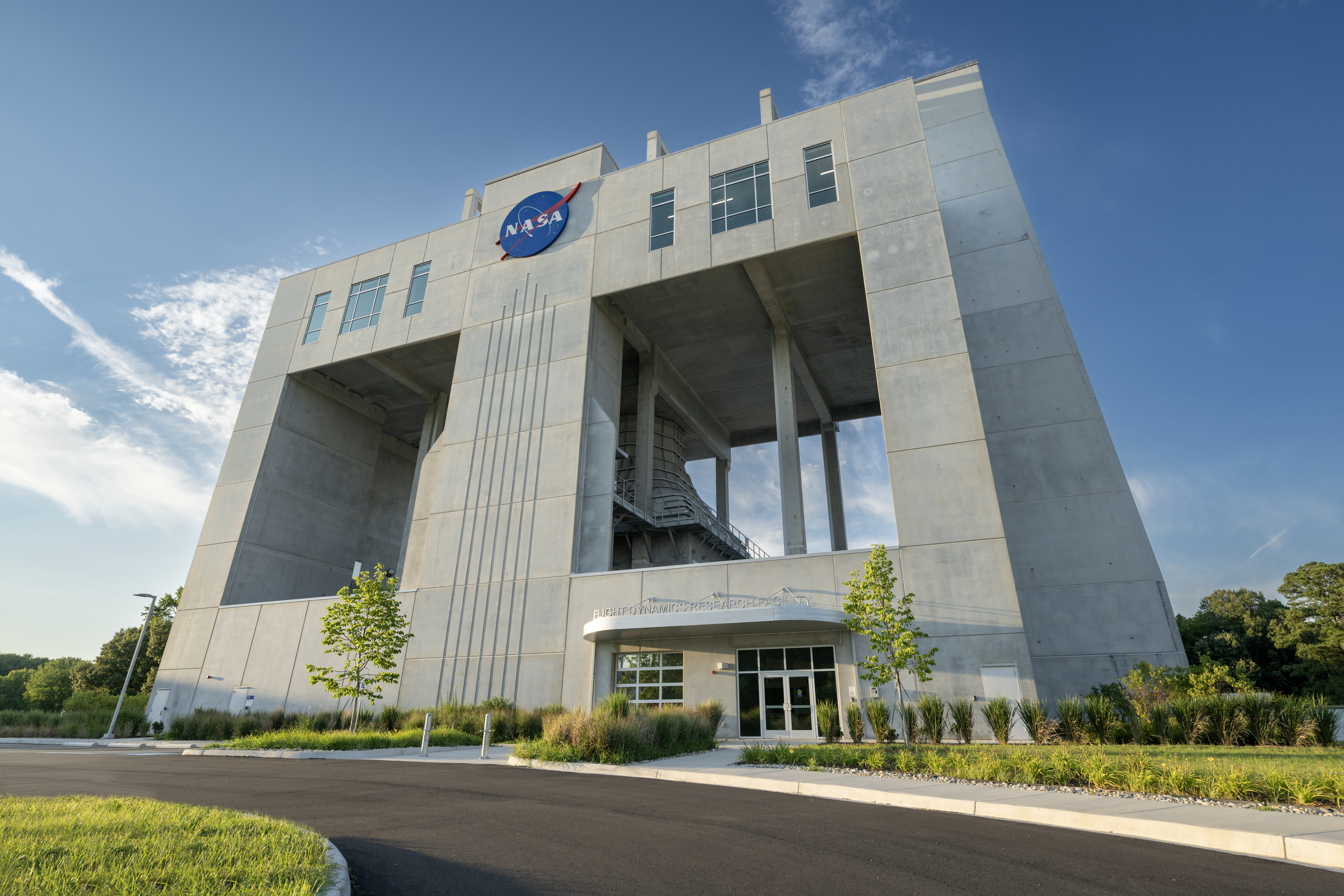
NASA inaugurates its first new wind tunnel in over four decades at Langley Research Center in Hampton, Virginia. The Flight Dynamics Research Facility represents a major investment in aeronautical testing infrastructure for the agency.
The ribbon-cutting ceremony on July 31 opens a facility designed to support current and future aircraft development programs. Wind tunnels remain essential tools for aerospace engineers, allowing researchers to test aircraft designs, components, and flight characteristics before physical prototypes take to the air. This new tunnel expands NASA's testing capacity at Langley, one of the agency's premier research centers.
The 40-year gap since NASA's last new wind tunnel underscores the rarity of such infrastructure investments. Wind tunnel construction demands substantial capital, technical expertise, and long-term planning. The Flight Dynamics Research Facility fills a critical need as NASA pursues advanced aircraft concepts, sustainable aviation fuels integration, and next-generation propulsion systems.
Langley Research Center has operated as NASA's aeronautics hub since 1917, producing foundational research in aircraft design, materials science, and flight dynamics. The new facility leverages decades of operational expertise and positions the center to conduct complex, multi-disciplinary aeronautics research alongside its space technology programs.
The facility arrives as the aerospace industry faces mounting pressures to reduce emissions and improve fuel efficiency. Wind tunnel testing accelerates the development timeline for innovations in laminar flow technology, blended wing bodies, and electric propulsion systems. NASA's expanded testing capacity enables faster iteration and validation of these technologies.
The event includes media tours and a brief availability with NASA officials, offering journalists direct access to the facility and its leadership. Such ribbon-cutting ceremonies serve dual purposes: they mark infrastructure milestones and reinforce NASA's commitment to sustaining American aeronautical research capabilities at a time when commercial spaceflight and deep-space exploration dominate headlines.
The Flight Dynamics