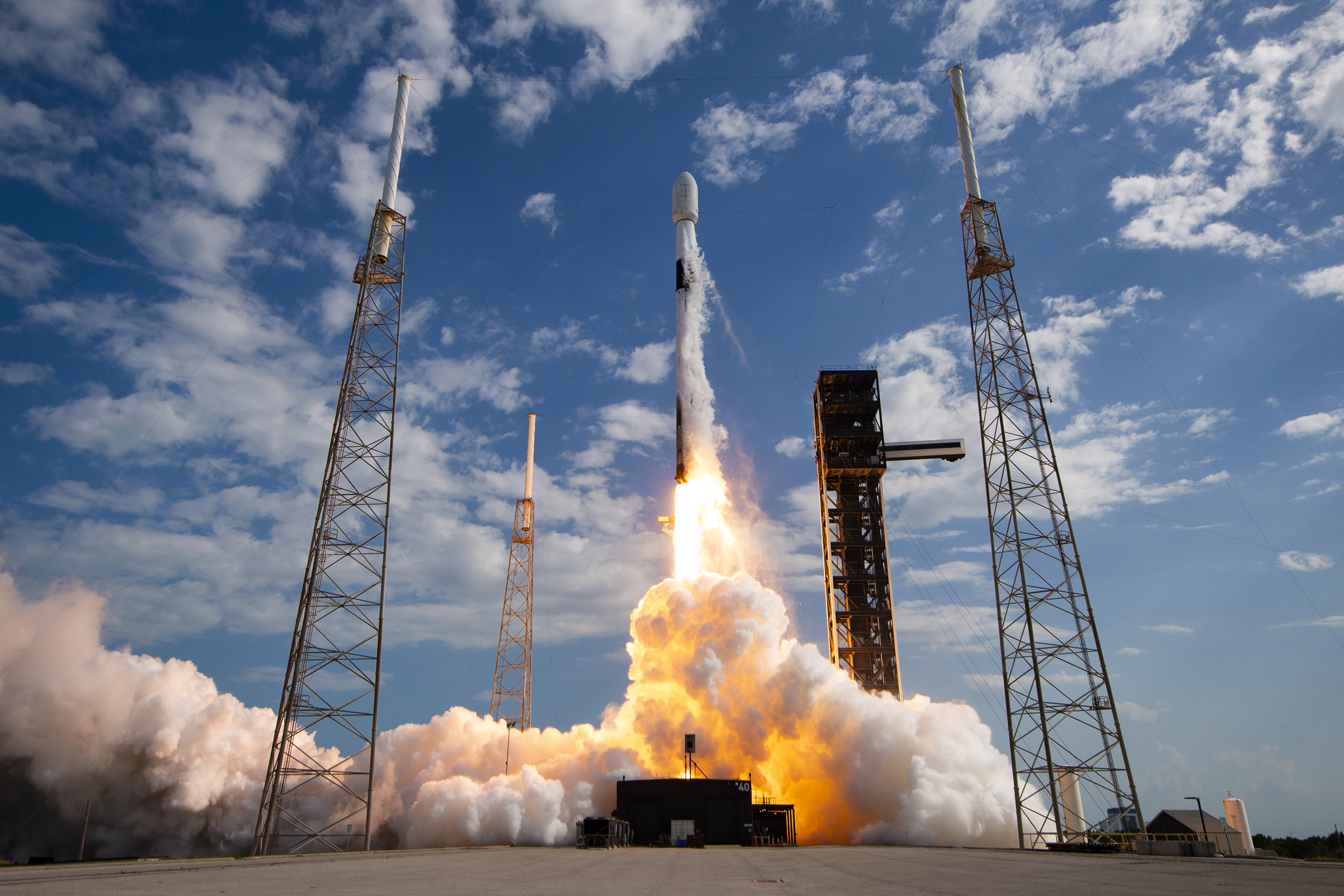
A SpaceX Falcon 9 rocket launched the Mission Robotic Vehicle from Cape Canaveral on July 21, carrying the Robotic Servicing of Geosynchronous Satellites payload to geosynchronous orbit. This NASA-supported mission deploys advanced robotic arms to service satellites at 22,300 miles above Earth's surface.
RSGS represents a major shift in satellite maintenance. Rather than decommissioning aging spacecraft, robotic servicing extends their operational lifespans through on-orbit repairs and refueling. The mission demonstrates that commercial robotics can perform complex tasks in the hostile vacuum of space, reducing the need for costly replacement missions and decreasing orbital debris.
Geosynchronous satellites occupy some of the most valuable real estate in space. Communications, broadcasting, and weather satellites at this altitude serve billions of people worldwide. When these spacecraft malfunction or deplete their fuel reserves, they traditionally become defunct debris, cluttering the orbital environment. The MRV's arrival changes this calculus entirely.
NASA's robotics expertise drives the technical capabilities here. The system's manipulator arms handle delicate operations like grappling satellites, replacing batteries, refueling tanks, and repairing solar panels. Operators on Earth command these systems remotely, using sensors and cameras to navigate the extreme environment where temperatures swing between sunlight and shadow.
The mission opens commercial opportunities as well. Effective on-orbit servicing creates a new business model for satellite operators who can now purchase service contracts rather than launch replacements. This reduces launch cadence, cuts costs, and addresses the growing concern about space debris accumulating in key orbits.
Success with RSGS could reshape how humanity maintains its orbital infrastructure. Future applications extend beyond geosynchronous satellites to repair and resupply missions across multiple orbital regimes, including low Earth orbit and lunar space. NASA views in-