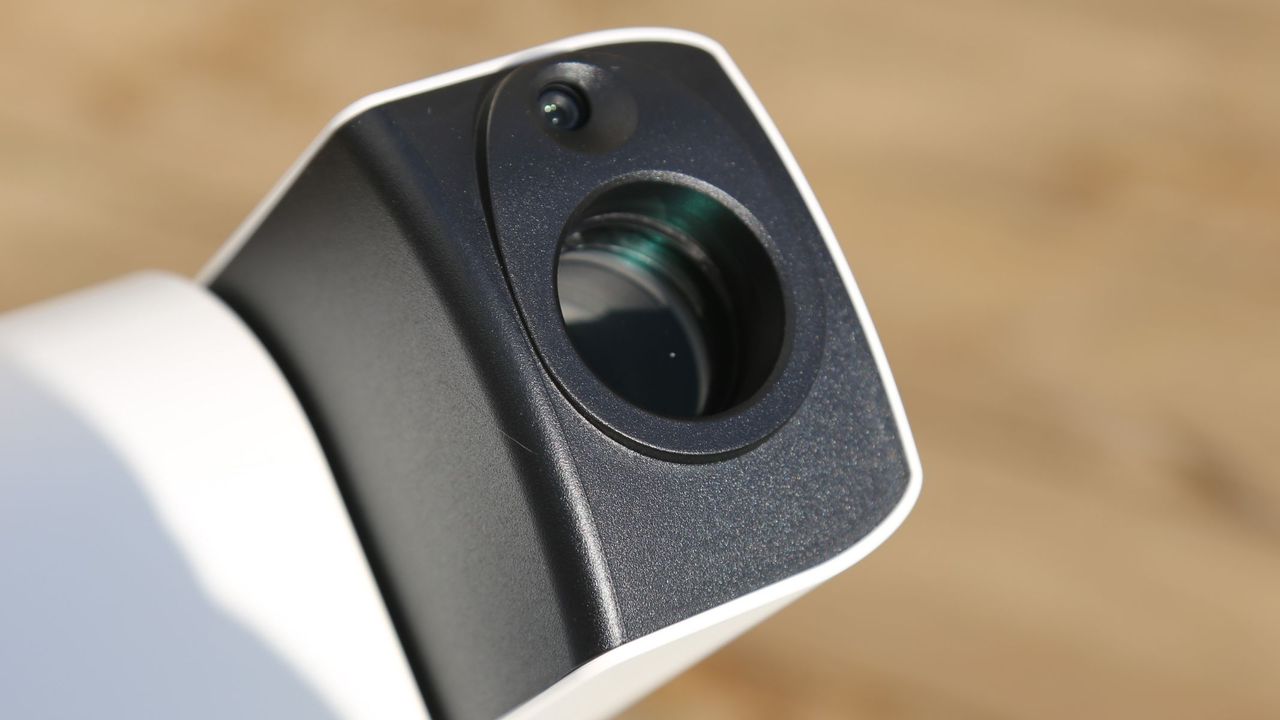
ZWO's Seestar S30 Pro represents a meaningful step forward in consumer astronomy technology. The compact telescope automates observation through smartphone connectivity and artificial intelligence, eliminating the manual setup and alignment that traditionally frustrates amateur astronomers.
The S30 Pro improves on its predecessor with enhanced optical resolution. The device combines a motorized mount with GPS positioning and real-time object tracking, allowing observers to simply point at the sky and let the system identify and track celestial targets automatically. The smartphone app handles plate-solving, which determines exactly what section of sky the telescope observes and corrects pointing errors independently.
For casual stargazers, this automation addresses a genuine barrier to entry. Traditional telescopes demand knowledge of the night sky, constellation navigation, and alignment procedures that deter beginners. The S30 Pro removes these obstacles entirely. The telescope identifies deep-sky objects, planets, and stars without requiring users to know where they are beforehand.
The optical upgrade matters for serious hobbyists seeking to resolve finer lunar and planetary detail. Better resolution capability captures surface features on the Moon, cloud structures on Jupiter, and the ring system of Saturn with clearer distinction than lower-specification instruments.
ZWO positions this device in a growing market of accessible astronomy equipment. Companies including Celestron and Unistellar have released competing smart telescopes in recent years, but the S30 Pro's combination of automation, resolution improvement, and relatively compact form factor makes it a practical option for rooftop observation or portable use at dark-sky sites.
The instrument won't replace large research-grade telescopes or satisfy astrophotographers requiring specialized optics and long exposures. However, for observers wanting to explore the night sky without technical expertise, the S30 Pro delivers genuine capability. Automation transforms observation from a skill-based activity into an accessible experience, potentially expanding the pool of people who engage with