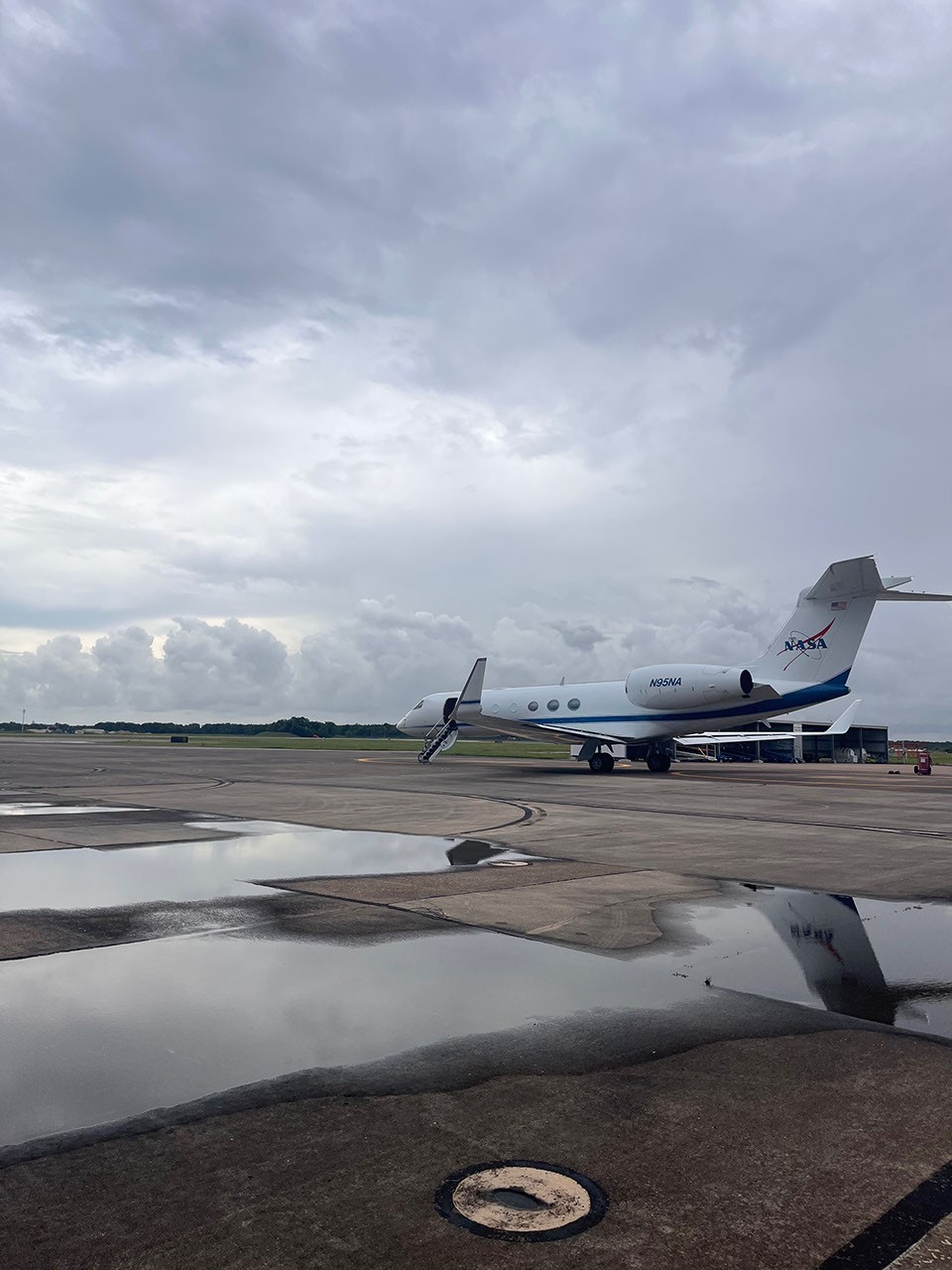
Students from NASA's Student Airborne Research Program released ozonesondes above the Texas Gulf Coast this summer, gaining hands-on experience in atmospheric science. The SARP program, which wrapped its summer session on July 27, pairs undergraduate and graduate researchers with NASA scientists to conduct real field work aboard research aircraft.
Ozonesondes measure ozone concentration and other atmospheric parameters as they ascend through the troposphere and stratosphere. These instruments provide crucial data for understanding air quality, the ozone layer, and climate dynamics. Students launching the balloons aren't simply observers. They participate in mission planning, instrument calibration, data collection, and analysis alongside NASA researchers.
SARP operates through NASA's centers, rotating students through multiple field campaigns across different regions and seasons. Participants work aboard aircraft like the WB-57 or the P-3 Orion, conducting measurements over varied terrain and atmospheric conditions. The program emphasizes practical training in scientific methodology, instrumentation, and real-world problem-solving in challenging field environments.
The Texas Gulf Coast location offers distinct research advantages. Coastal regions experience complex atmospheric interactions between marine and terrestrial air masses, creating dynamic conditions for studying ozone chemistry and transport. Students deployed instruments during summer when atmospheric convection is strongest, providing excellent conditions for capturing vertical atmospheric profiles.
SARP develops the next generation of atmospheric scientists and climate researchers. Participants gain experience with NASA's sophisticated measurement platforms and learn how space agencies gather Earth observation data. Many SARP alumni pursue careers in atmospheric science, climate research, and aerospace fields.
By involving students directly in active research campaigns, NASA builds scientific capacity while generating valuable atmospheric data. The program demonstrates that field science remains essential, even as satellite technology advances. Ground-based and airborne measurements provide validation and context that orbital instruments cannot replicate. Students holding those balloons against gusty coastal winds gain something classroom instruction cannot provide. they learn