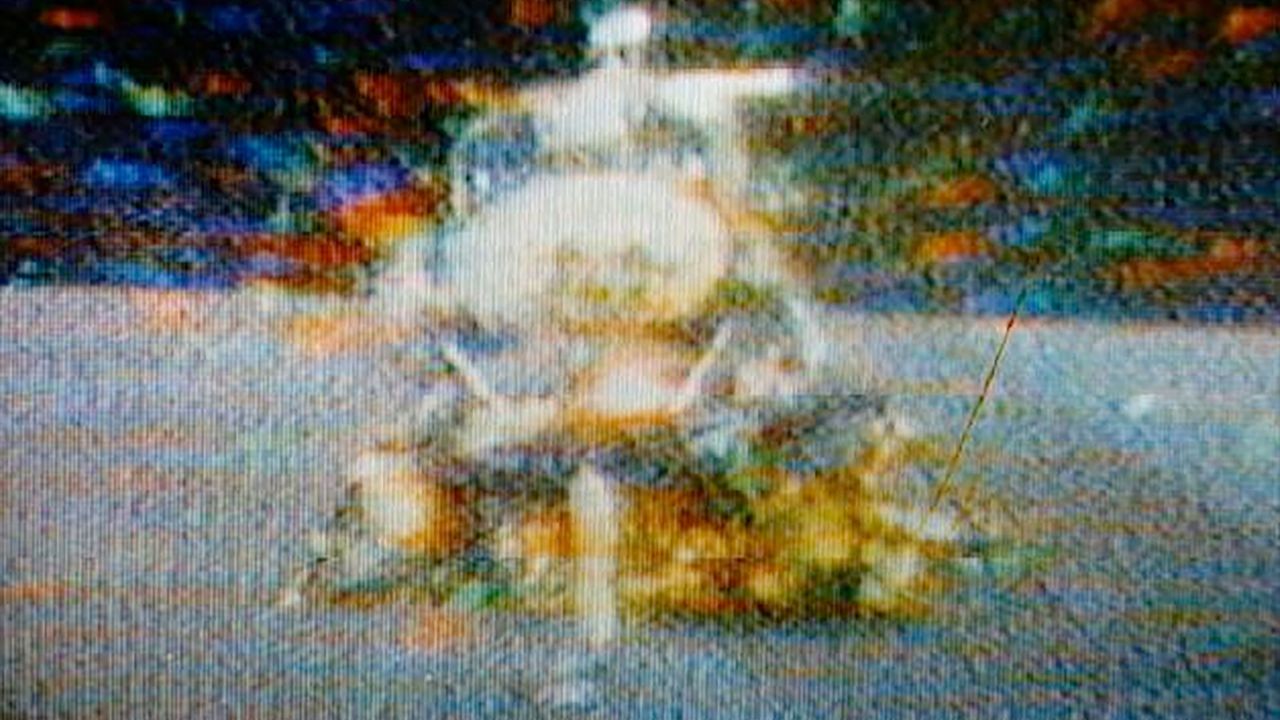
On August 2, 1971, astronauts David Scott and James Irwin lifted off from the lunar surface aboard the Apollo 15 Lunar Module, and NASA broadcast the event live to Earth. This marked the first televised liftoff from the moon in human history.
The ascent stage of the Lunar Module fired its engine and climbed away from the Hadley-Apennine region, where Scott and Irwin had spent three days conducting scientific experiments. A camera mounted on the Lunar Roving Vehicle, operated remotely from mission control in Houston, captured the ascent as the spacecraft rose toward rendezvous with Michael Collins in the Command Module orbiting above.
Apollo 15 represented a significant leap in lunar exploration technology and live television capabilities. The mission deployed the first Lunar Roving Vehicle, a motorized rover that allowed astronauts to travel farther from the landing site than previous Apollo missions. The rover's camera provided unprecedented views of lunar operations in real time, transforming how the public experienced space exploration.
The televised liftoff served multiple purposes. It demonstrated NASA's ability to conduct complex live broadcasts from the lunar surface, proving that technology could reliably transmit video across the quarter-million-mile distance. For the public watching from Earth, the broadcast made the reality of lunar operations visceral and immediate. Viewers witnessed not a grainy still image but actual movement, actual ascent, actual departure from another world.
Scott and Irwin returned safely to the Command Module, carrying 77 kilograms of lunar samples collected during their surface operations. Apollo 15 achieved numerous firsts. Beyond the televised liftoff, it marked the first deep-space walk, the longest lunar surface stay, and the greatest distance traveled on the moon. The mission proved that humans could work effectively on the lunar surface with enhanced mobility and tools, laying ground