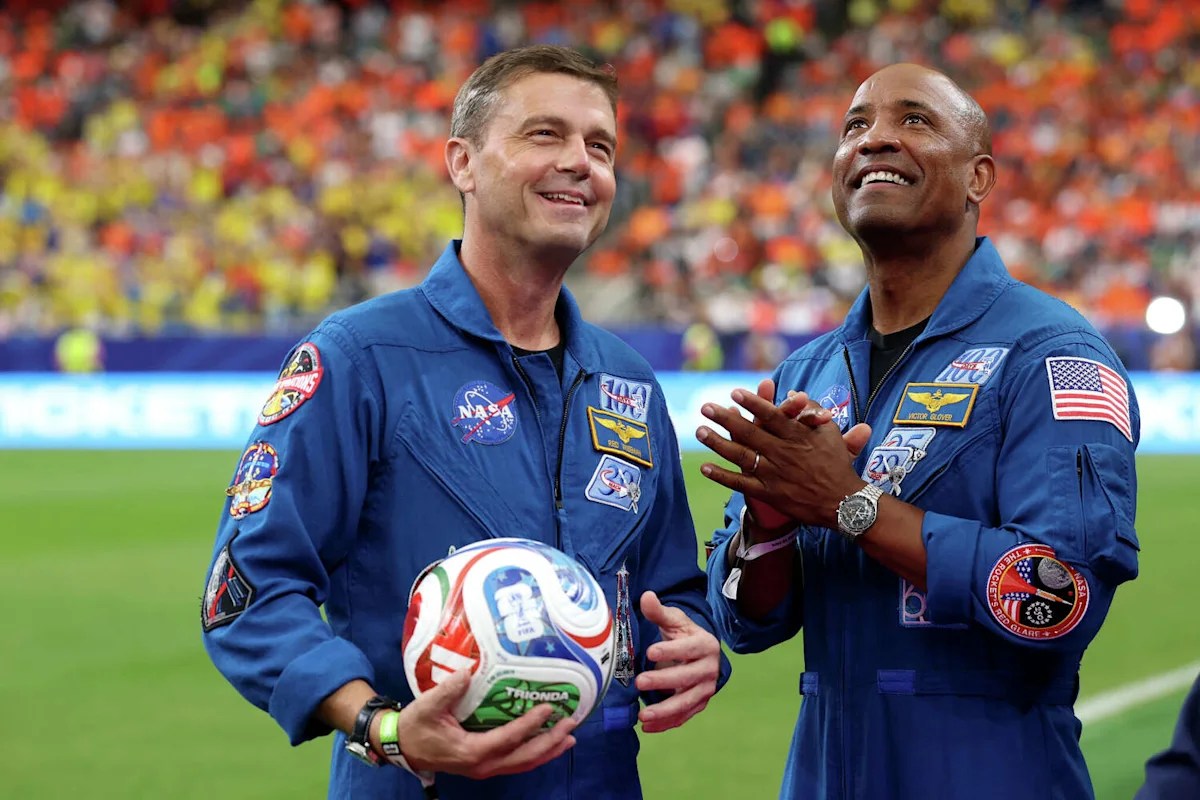
NASA stationed a free interactive exhibit at the FIFA World Cup Fan Festival in Houston from June through July, reaching over 500,000 soccer fans with space exploration content. The agency used the tournament's massive global audience to showcase how its missions directly benefit life on Earth.
The exhibit featured NASA's flagship programs, including Artemis, which aims to return humans to the Moon and establish sustained lunar operations. Visitors learned about Moon Base infrastructure, the International Space Station's research capabilities, and how space technology drives innovation across industries from medicine to agriculture.
Houston proved the ideal location for this outreach. NASA's Johnson Space Center, the mission control hub for human spaceflight, sits in the city. The partnership positioned space exploration as accessible science, not distant abstraction. By embedding NASA content within a global sporting event, the agency tapped into an audience largely outside traditional science venues.
The exhibit demonstrated how federal space programs translate into tangible benefits. Solar panels, water purification systems, medical imaging technology, and materials science all trace roots to space research. NASA emphasized that exploration funding produces practical returns for everyday life, a message particularly resonant during budget discussions in Congress.
Reaching over half a million people in six weeks created unprecedented exposure for Artemis, NASA's successor to Apollo. The program faces critical funding decisions and public support matters. Showing diverse audiences, including international visitors, that space exploration connects to their daily experience builds the constituency necessary for sustained commitment.
This approach reflects NASA's evolving public engagement strategy. Rather than waiting for audiences to visit centers like Johnson Space Center or Kennedy Space Center, the agency brings exhibits to major events where people already gather. The FIFA World Cup's 3.5 billion global television viewers represented an opportunity to normalize space exploration as part of mainstream culture rather than niche interest.
The Houston festival demonstrated that space exploration resonates across demographics and nationalities. Soccer fans and space enthusiasts represent different audiences, yet