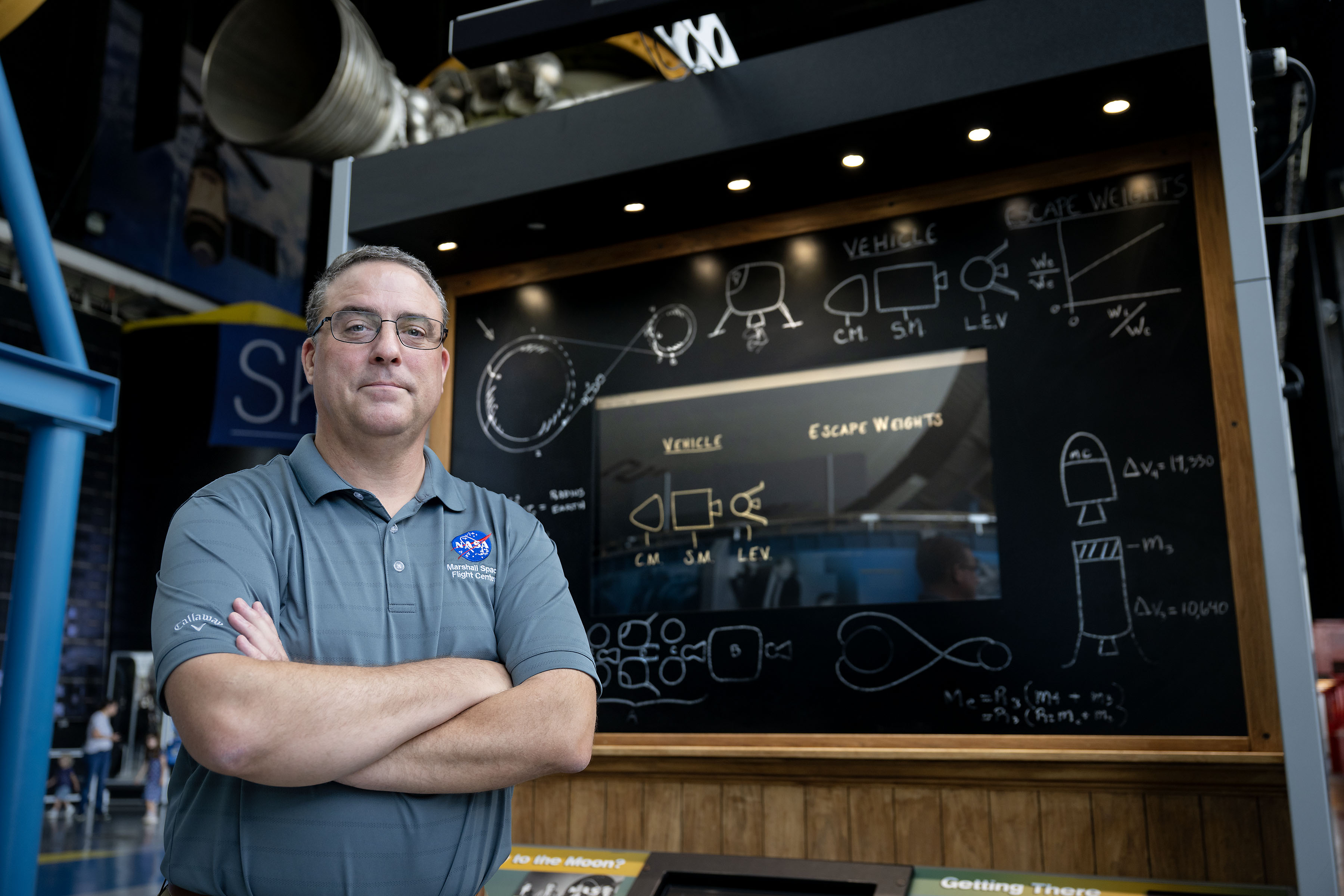
Tom Percy manages systems engineering and integration for NASA's Human Landing System Program, a role that positions him at the center of the agency's lunar ambitions. His work directly supports NASA's Artemis campaign, which aims to establish sustained human presence on the Moon and lay groundwork for Mars exploration.
Percy coordinates with SpaceX and other providers developing the hardware and procedures necessary for crewed lunar landings. The Human Landing System Program represents a critical bridge between NASA's Artemis missions and the private sector capabilities those missions depend on. SpaceX's Starship represents the primary lunar lander candidate under development.
NASA is accelerating Artemis mission cadence as the program matures. Artemis I, an uncrewed test flight, validated the Space Launch System rocket and Orion capsule in late 2022. Artemis II will carry astronauts on a lunar flyby mission, followed by Artemis III, which targets a crewed landing near the lunar south pole. Percy's systems engineering role ensures integration between NASA's vehicle systems and commercial landing platform capabilities.
The lunar south pole represents strategic terrain for sustained exploration. Water ice deposits exist there, offering potential in-situ resource utilization for fuel and life support systems. Establishing operations in this region builds the infrastructure foundation for eventual human Mars missions.
Percy's position reflects NASA's evolved approach to deep space exploration. Rather than developing all hardware internally, the agency leverages commercial partners' innovation and cost efficiency while maintaining oversight through systems integration. This model accelerates development timelines and reduces costs compared to traditional government-led procurement.
The success of Percy's coordination efforts directly determines whether NASA meets its Artemis timeline. As NASA transitions from lunar orbit missions to surface operations, the technical complexity increases substantially. His role ensures that SpaceX hardware, NASA's Orion capsule, lunar mobility systems, and surface infrastructure function as an integrated system. This