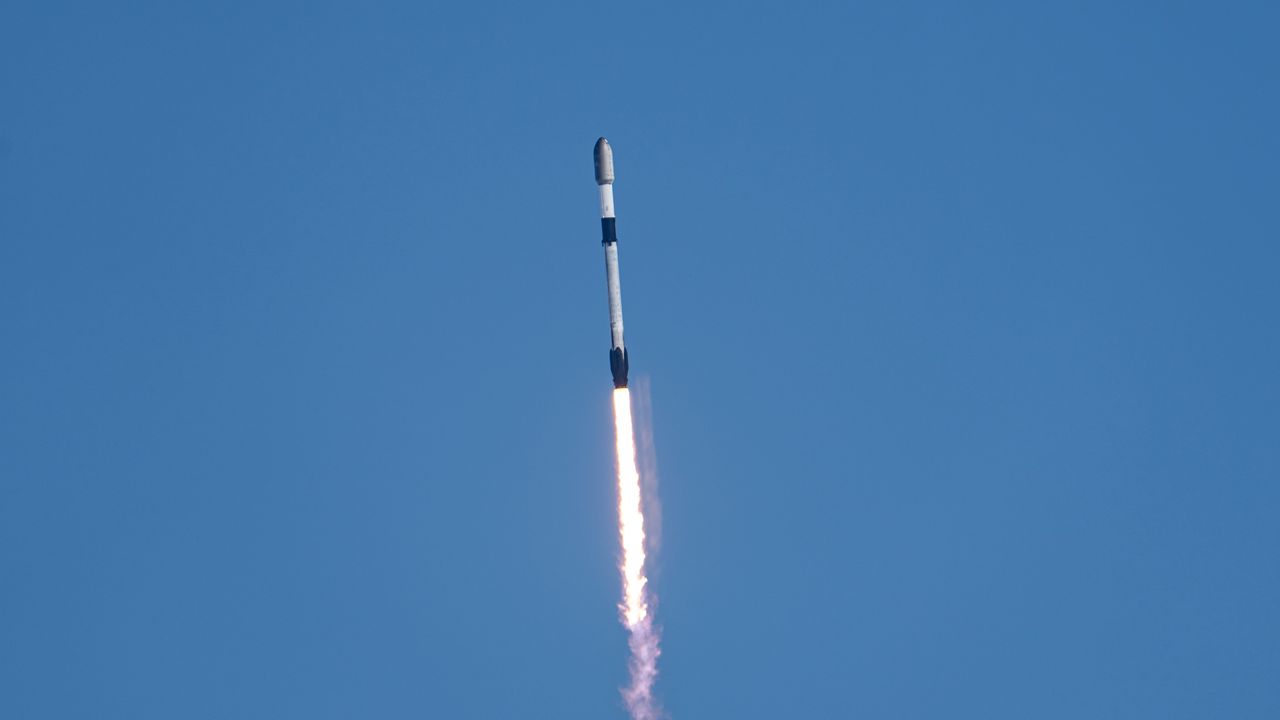
SpaceX deployed 24 Starlink satellites into orbit on August 8 from Vandenberg Space Force Base on California's central coast. The launch added another tranche to the company's expanding megaconstellation of broadband internet spacecraft.
The Falcon 9 rocket carried the satellites to low Earth orbit, where they will join thousands of operational Starlink units already in service. SpaceX continues rapid deployment cadence to build out global internet coverage, with Starlink now providing connectivity to customers across multiple continents.
These orbital internet constellations operate at altitudes around 550 kilometers, enabling lower latency than traditional geostationary satellites. The distributed network architecture allows SpaceX to serve remote regions and compete with ground-based broadband infrastructure.
Vandenberg serves as a secondary launch site for SpaceX's national security and commercial missions, complementing the primary facility at Kennedy Space Center in Florida. The California location enables polar and high-inclination orbits suited for polar coverage and government contracts.
Starlink deployment reflects the broader shift toward commercial space operations and megaconstellations as the dominant architecture for next-generation communications networks. The service competes with Amazon's Project Kuiper and other international initiatives to provide global broadband coverage from space.