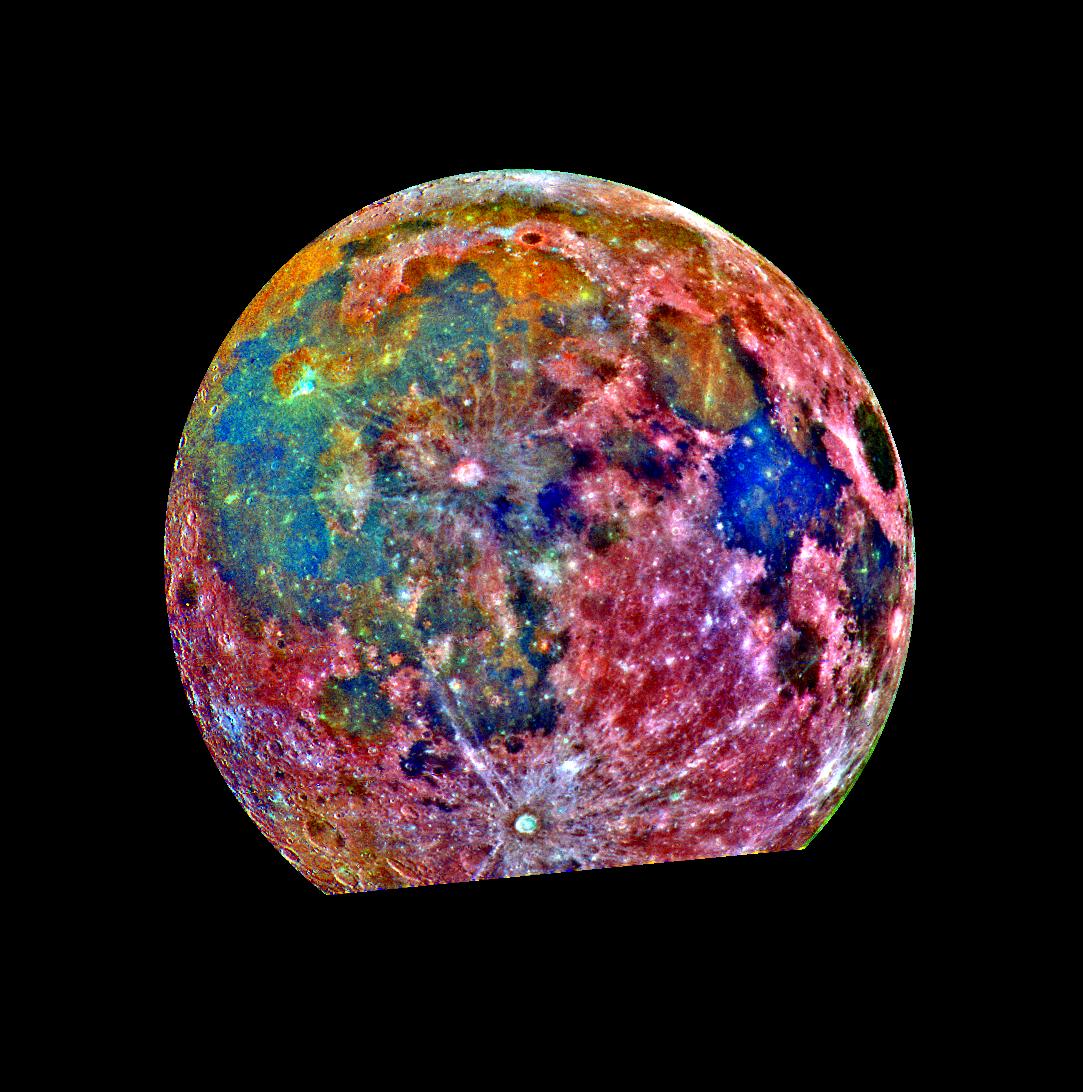
Lunar Station Corp. is tapping NASA's decades of orbital and surface reconnaissance data to map resource extraction sites on the moon, accelerating commercial plans to establish permanent human operations beyond Earth orbit.
The company faces a foundational challenge that has limited lunar development for fifty years. Water ice deposits, iron oxides, and titanium reserves exist across the lunar surface, but their exact locations remain incompletely charted. Extracting and processing these materials requires placing mining equipment and processing facilities at specific, resource-rich landing zones. Guesswork invites failure. Data wins contracts.
NASA's Lunar Reconnaissance Orbiter (LRO), operational since 2009, has collected high-resolution imagery and spectroscopic data across the moon's surface. The orbiter's Camera instrument captures features as small as half a meter across. The Diviner Lunar Radiometer Experiment maps thermal properties that reveal subsurface composition. The Lunar Exploration Neutron Detector identifies hydrogen-rich regions where water ice concentrates in permanently shadowed craters near the poles.
Lunar Station Corp. leverages this publicly available dataset to identify optimal mining locations. The company can model extraction efficiency, transportation costs, and processing timelines based on actual resource concentrations rather than theoretical estimates. This approach mirrors how terrestrial mining operations use geological surveys before breaking ground. On the moon, the cost difference between landing in the wrong location and the right location spans billions of dollars.
The commercial push follows NASA's own lunar roadmap. The space agency's Artemis program aims to return humans to the moon by 2025 and establish sustained surface presence by the late 2020s. NASA selected nine commercial lunar lander providers in 2020 through the Commercial Lunar Payload Services (CLPS) program. These companies deliver payloads to the lunar surface for scientific research and technology demonstration. Lunar Station Corp. represents the next evolution: companies that don't just visit the moon, but extract value from it.
In-situ resource utilization (ISRU) remains theoretical at scale. Converting lunar regolith into usable water, oxygen, and metals requires equipment that hasn't operated on the moon in production quantities. Early missions will test equipment performance, power requirements, and operational viability. Success transforms the lunar economy from a scientific curiosity into an extractive industry.
The water resources carry particular weight. Oxygen extracted from lunar water supports both life support systems for human habitats and propellant for spacecraft. A kilogram of water on the moon holds far more value than the same kilogram on Earth, where shipping costs dominate. This economic advantage underpins the entire commercial lunar architecture. Mining water near the lunar poles, where deposits concentrate and solar power stations can operate near the terminator, makes financial sense.
Lunar Station Corp.'s use of NASA data demonstrates how public space agency research catalyzes private sector development. The LRO data cost NASA billions to collect over fifteen years. Commercial companies now build business models on that foundation without replicating the investment. This partnership pattern defined low Earth orbit development and now extends to cislunar space.