Orbital light pollution threatens to dwarf natural moonlight across vast terrestrial areas, according to new research evaluating Reflect Orbital's proposed constellation of giant space mirrors designed to illuminate Earth's night side.
A single 54-meter satellite in the Reflect Orbital constellation would produce light four magnitudes brighter than the full moon within its direct beam, researchers found. The scattered glow from one mirror would outshine moonlight across the sky starting at 14 kilometers away, with visible effects extending to 30 kilometers or more. The company plans to deploy multiple such mirrors in low Earth orbit.
Reflect Orbital markets the technology as a solution for Arctic and remote regions where traditional electrical infrastructure remains sparse or prohibitively expensive. The mirrors would redirect concentrated sunlight to illuminate selected areas during polar night, potentially enabling industrial operations, transportation, and settlement in high-latitude zones. The concept carries genuine practical appeal for communities lacking reliable power grids.
The research challenges this premise by quantifying what astronomers and dark-sky advocates have long predicted. Artificial night-sky brightening already affects observational astronomy globally, degrading data from ground-based telescopes and complicating exoplanet detection, stellar mapping, and fundamental astrophysical research. Decades of studies document how light pollution suppresses circadian rhythms in wildlife, disrupts migration patterns in birds and insects, and harms human health by interfering with melatonin production.
Reflect Orbital's mirrors would represent a categorical leap in scale. Unlike ground-based streetlights or building illumination, orbital infrastructure operates beyond national jurisdiction and atmospheric filtering. A single malfunctioning mirror or unintended beam scatter would affect populations across borders instantaneously. The company has not released detailed deployment specifications or consultation protocols with astronomical organizations.
The study's methodology modeled photon scattering from a 54-meter reflective surface in low Earth orbit, calculating apparent brightness across varying distances and observation angles. Researchers accounted for atmospheric refraction, the mirror's reflectivity profile, and seasonal variations in solar geometry. Their findings align with earlier concerns raised by the International Astronomical Union and the American Astronomical Society regarding megaconstellations and reflective space infrastructure.
Reflect Orbital frames its mirrors as temporary infrastructure, suggesting eventual replacement or deorbiting. The company has stated it would work with astronomical organizations to minimize observational interference, though no binding protocols exist. Unlike satellite constellation operators such as SpaceX's Starlink, which faces ongoing criticism for brightness degradation despite mitigation efforts, Reflect Orbital operates under minimal regulatory oversight for light pollution specifically.
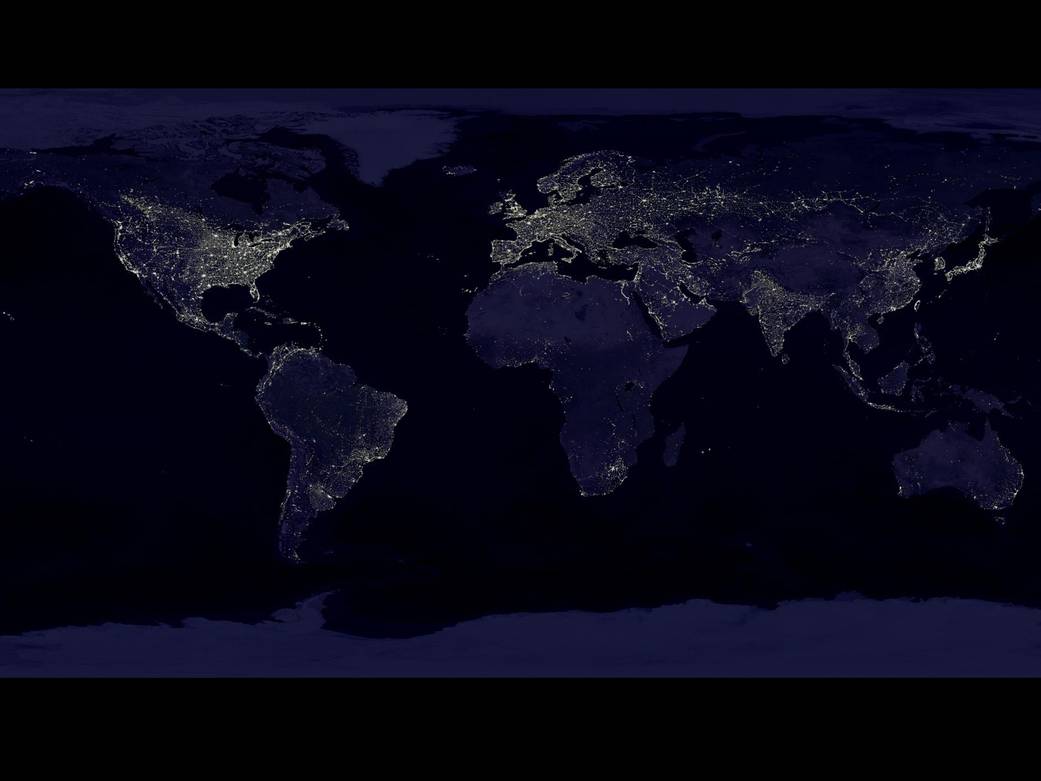
The broader context matters. Earth's night sky has brightened roughly 49 percent per decade over the past two decades, driven primarily by LED conversion and economic expansion in developing nations. Roughly one-third of humanity cannot see the Milky Way from their homes. Adding orbital mirrors extends artificial brightness into regions that currently retain natural darkness, compounding existing trends rather than introducing novel problems.
Regulatory pathways for orbital light pollution remain underdeveloped internationally. The International Telecommunication Union coordinates radio frequencies; no equivalent body governs optical emissions from space. National space agencies and commercial operators operate largely without quantitative brightness standards or enforcement mechanisms. Reflect Orbital's proposal, should it advance to deployment, would operate in this regulatory vacuum.
The company faces technical and financial hurdles independent of light pollution concerns. Precision mirror positioning, thermal management, and operational logistics for maintaining multiple massive reflective surfaces in orbit present substantial engineering challenges. Whether the business case survives competitive pressure from terrestrial renewable energy expansion and battery storage improvements remains unclear.