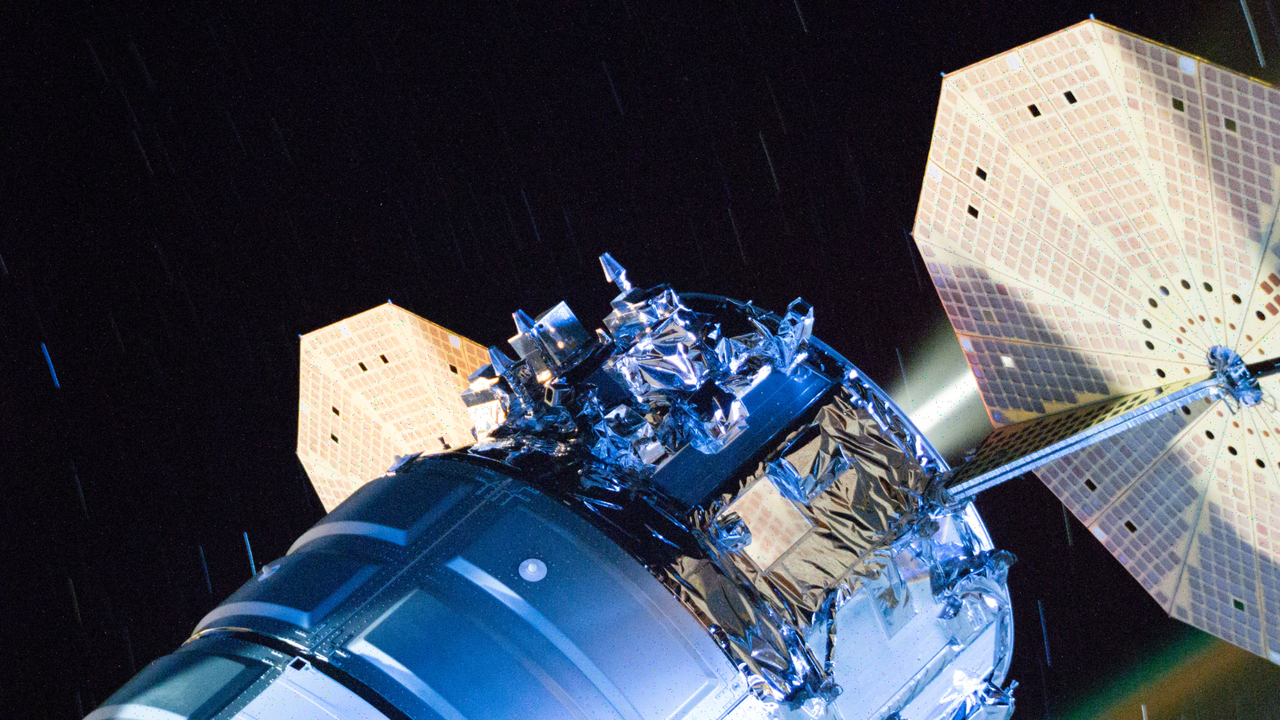
# Cygnus Cargo Spacecraft Reboost International Space Station Orbit
The Cygnus cargo spacecraft executed a reboost maneuver of the International Space Station on September 14, 2026, using its thrusters to raise the orbiting laboratory's altitude. This routine but vital operation preserves the ISS operational lifespan by countering the natural orbital decay that all spacecraft experience due to atmospheric drag at orbital altitude.
Orbital reboosts occur multiple times per year aboard the ISS. The station circles Earth at approximately 250 kilometers altitude, where even the thin upper atmosphere creates measurable drag. Without periodic altitude corrections, the ISS would gradually sink lower until it became uninhabitable or broke apart during uncontrolled reentry. Cygnus, built by Northrop Grumman, regularly performs these thruster burns during its docked visits to the station.
Cygnus arrives at the ISS carrying supplies, equipment, and experiments for the resident crew. After unloading cargo and before departure, the spacecraft fires its Castor 30XL solid rocket motor and auxiliary thrusters to boost the entire station upward. This same function can be performed by Russian Progress vehicles, Japanese HTV spacecraft, or the European Space Agency's ATV when they visit. SpaceX's Dragon cargo capsule also contributes to station maintenance through reboost operations.
The September 2026 reboost represents the ongoing collaboration that keeps the ISS functional. Six astronauts and cosmonauts aboard the station depend on these operations to maintain their orbital workplace. The ISS has operated continuously since November 2000, housing rotating crews of exploration specialists who conduct microgravity research, maintain the facility, and prepare for deeper space missions.
Cygnus itself represents a growing commercial space ecosystem. NASA contracts with Northrop Grumman for cargo resupply missions under the Commercial Cargo Program, which also includes SpaceX Dragon flights. This dual-provider approach ensures redundancy and competition, keeping both companies developing improved spacecraft systems.
The photograph capturing Cygnus performing this maneuver documents a quiet achievement in spaceflight operations. Most ISS reboosts occur unnoticed by the public, yet they form the backbone of sustained human presence in orbit. Each thruster burn extends the station's useful operational window and demonstrates how commercial spacecraft have become essential infrastructure for human spaceflight.
The reboost operation required precise timing and coordination between mission control centers in Houston, Moscow, and other international partners. Ground controllers calculated the exact burn duration needed to achieve the desired altitude gain, accounting for the mass of supplies aboard Cygnus and atmospheric conditions at the ISS altitude.
These routine orbital maintenance tasks reflect the maturation of spaceflight operations. Where early space stations required dedicated resupply missions solely for reboost purposes, modern cargo spacecraft accomplish this work as a secondary objective during standard cargo operations. This efficiency allows resources to focus on scientific research and preparation for future exploration missions beyond Earth orbit.