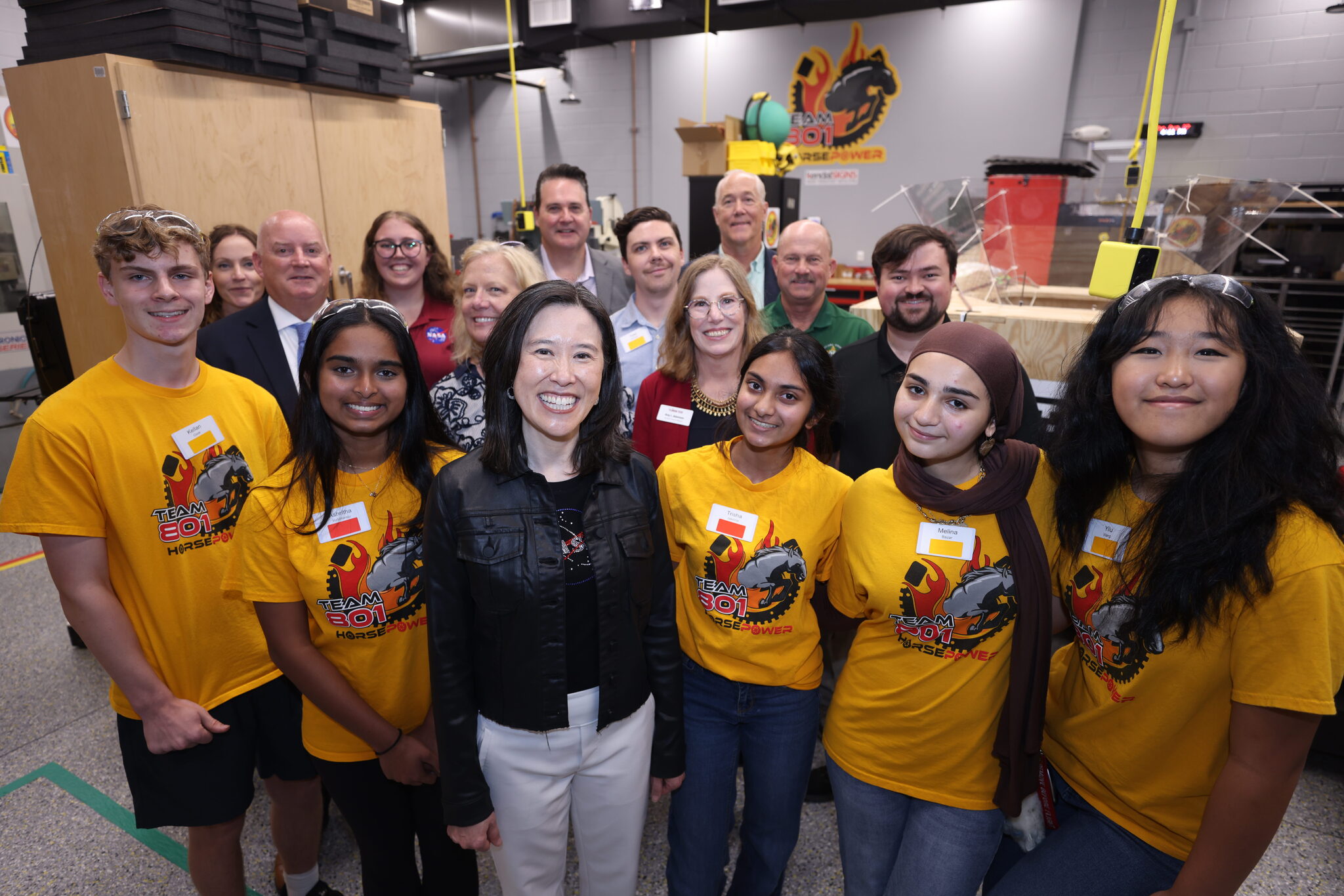
NASA awarded $10.5 million across seven organizations nationwide through its new State Hubs initiative, with Space Florida receiving funds for Project ORBIT. The program targets middle and high school students in Florida, aiming to expand aerospace career pathways and strengthen the technical workforce pipeline in a state critical to the nation's space industry.
Project ORBIT operates as a statewide initiative designed to increase enrollment in career and technical education programs aligned with aerospace sector needs. The program creates direct connections between skilled workers and aerospace employers through a dedicated portal, addressing a persistent shortage of trained technicians and engineers in Florida's space economy.
Florida hosts Kennedy Space Center, the most active spaceport in the Western Hemisphere, as well as facilities supporting commercial launch providers, satellite manufacturers, and aerospace suppliers. The state's space industry employs tens of thousands of workers. Yet workforce development remains a challenge. Many students lack exposure to aerospace careers early enough to pursue the necessary technical training. Project ORBIT bridges this gap by engaging younger students before career decisions calcify.
The State Hubs initiative represents NASA's broader strategy to strengthen American competitiveness in space exploration and commercial spaceflight. By investing in workforce development at the regional level, NASA addresses labor shortages that could slow launch cadences, spacecraft production, and ground infrastructure maintenance. The agency recognizes that space ambitions depend on sustained technical talent pipelines.
Space Florida, the state's aerospace economic development agency, will manage Project ORBIT's implementation. The program includes curriculum integration, mentorship opportunities, and direct pathways into apprenticeships and entry-level aerospace positions. Students gain hands-on exposure to real-world challenges in rocket manufacturing, payload integration, mission operations, and spacecraft maintenance. These experiences make abstract STEM concepts tangible and career-relevant.
The seven selected organizations across the nation indicate NASA's commitment to distributed workforce development rather than concentrating resources in a single region. Each hub tailors its approach to local labor market demands and educational infrastructure. Florida's selection underscores the state's role as a foundational pillar of American space operations. Kennedy Space Center launches NASA's Artemis missions, which aim to return humans to the Moon and establish sustainable lunar exploration. Commercial operators like SpaceX, Blue Origin, and Axiom Space also conduct launches and operations from Florida facilities.
Project ORBIT arrives at a strategic moment. The Artemis program requires manufacturing and support personnel. Commercial space stations under development need technicians. Lunar landers and rovers demand specialized skills. SpaceX's Starship development, Blue Origin's New Glenn heavy-lift rocket, and numerous small-launch providers all compete for qualified workers. Without deliberate cultivation of the next generation, bottlenecks emerge.
Career and technical education programs have historically received less attention than traditional college preparatory tracks, despite offering competitive salaries and stable employment. Project ORBIT repositions aerospace technician roles as desirable, accessible pathways. By starting engagement in middle school, the program normalizes space industry careers before students choose electives that steer them toward or away from STEM disciplines.
The $10.5 million investment reflects NASA's understanding that space exploration succeeds through sustained institutional commitment across generations. Building a skilled workforce requires years of development, curriculum refinement, and employer coordination. Project ORBIT establishes infrastructure for that long-term endeavor in Florida and across seven regional hubs nationwide.