# NASA's Carbon-Capture Technology Transforms Brewing Industry
NASA technology developed for Mars exploration missions has found an unexpected commercial application in breweries across North America, accelerating the adoption of carbon-capture systems in food and beverage production.
The technology originates from life-support systems designed for crewed missions to Mars. NASA engineers created advanced carbon dioxide removal equipment to keep astronaut habitats breathable during long-duration missions on the Red Planet. The systems extract CO2 from enclosed environments and convert it into usable forms, solving a critical survival problem for deep space exploration.
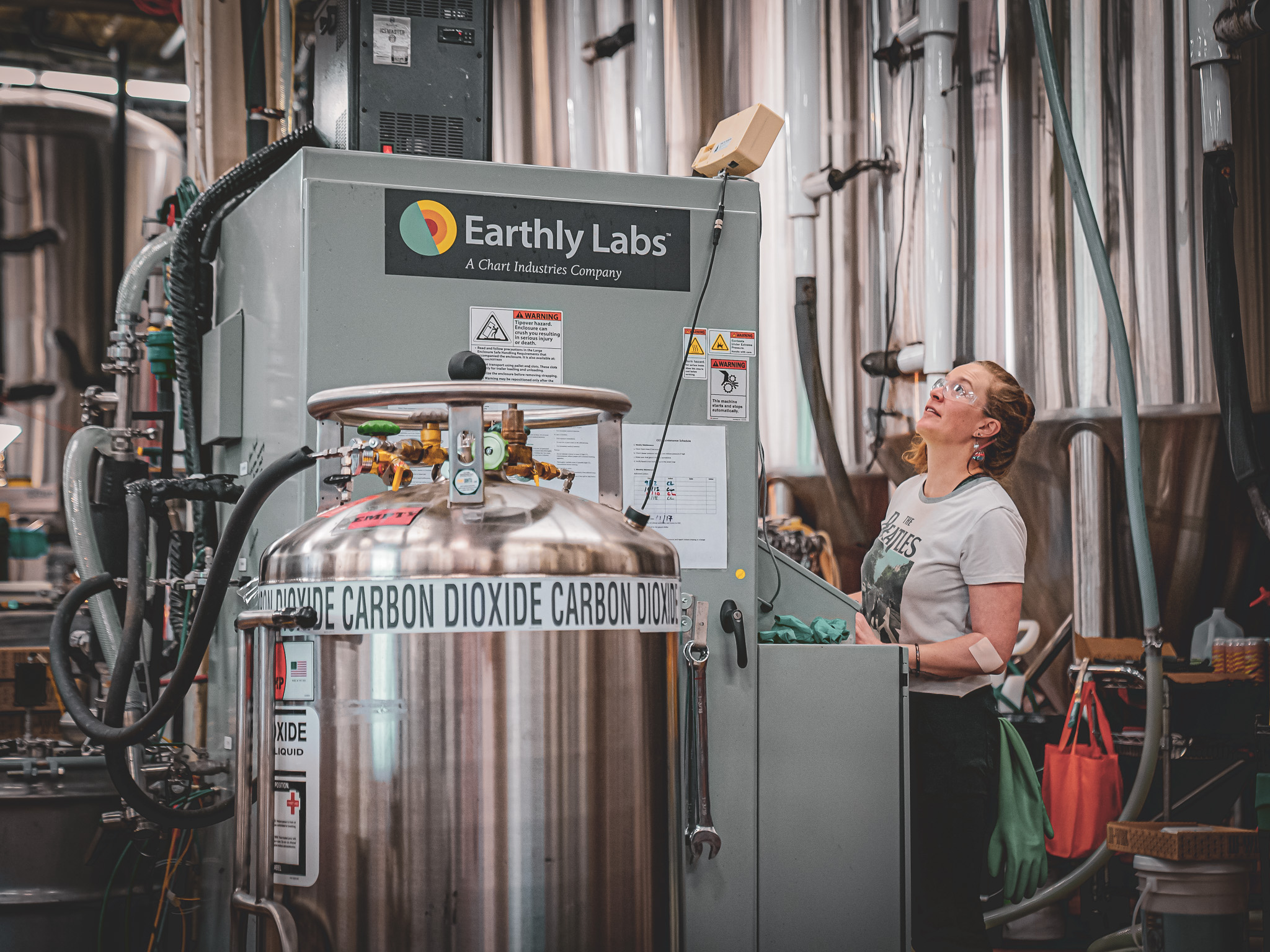
Brewers discovered that this same carbon-capture mechanism works exceptionally well for carbonation processes. Traditional brewing operations purchase or generate CO2 through energy-intensive industrial processes. The NASA-derived technology captures CO2 that breweries naturally produce during fermentation, then recycles it for carbonation, creating carbonated beverages while dramatically reducing purchased gas consumption.
Several breweries have already installed these systems. The adoption rate accelerated after the technology moved from NASA licensing arrangements into commercial production. Equipment manufacturers refined the hardware for brewery-scale operations, making installation and maintenance practical for facilities ranging from small craft operations to large regional producers.
The environmental benefits extend beyond simple energy savings. Breweries using captured CO2 reduce their carbon footprint by eliminating the transportation and production emissions associated with industrial CO2 delivery. One brewery reported cutting CO2 purchases by 40 percent after installing capture systems. Facilities with multiple fermentation tanks see proportionally larger reductions in both emissions and operating costs.
NASA's relationship with this technology traces back to research performed at the agency's Marshall Space Flight Center and partnerships with aerospace contractors supporting the Mars program. The agency has systematically worked to transfer technologies developed for space exploration into civilian applications through its Technology Transfer program. This initiative documents NASA innovations and connects them with private companies seeking solutions to commercial challenges.
Breweries represent just the first wave of adoption. The capture systems also suit other fermentation-based industries, including wineries, cider producers, and kombucha manufacturers. Food processing facilities studying carbonation alternatives have expressed interest. Some beverage companies investigate whether the technology supports carbon-neutral production claims for marketing purposes.
The systems work by using selective molecular sieves or membrane technology to separate CO2 from mixed gases. Once captured and purified, the CO2 meets food-grade standards for direct use in carbonation. The process requires minimal energy compared to traditional industrial CO2 production methods, which typically involve steam-methane reforming or the separation of CO2 from flue gases at manufacturing plants.
NASA continues developing enhanced versions of carbon-capture systems for planned lunar base operations and Mars habitats. Each generation of the technology improves efficiency and reduces size. These advances flow back into commercial applications through licensing agreements and direct collaboration with industry partners.
The cascade of technology from space exploration into everyday products demonstrates how investments in solving extreme engineering challenges often yield practical Earth-bound benefits. The same systems keeping future Mars astronauts alive now help breweries reduce their environmental impact while cutting operational expenses. The path from the Red Planet to the brewery floor reflects how space technology accelerates innovation across multiple sectors.