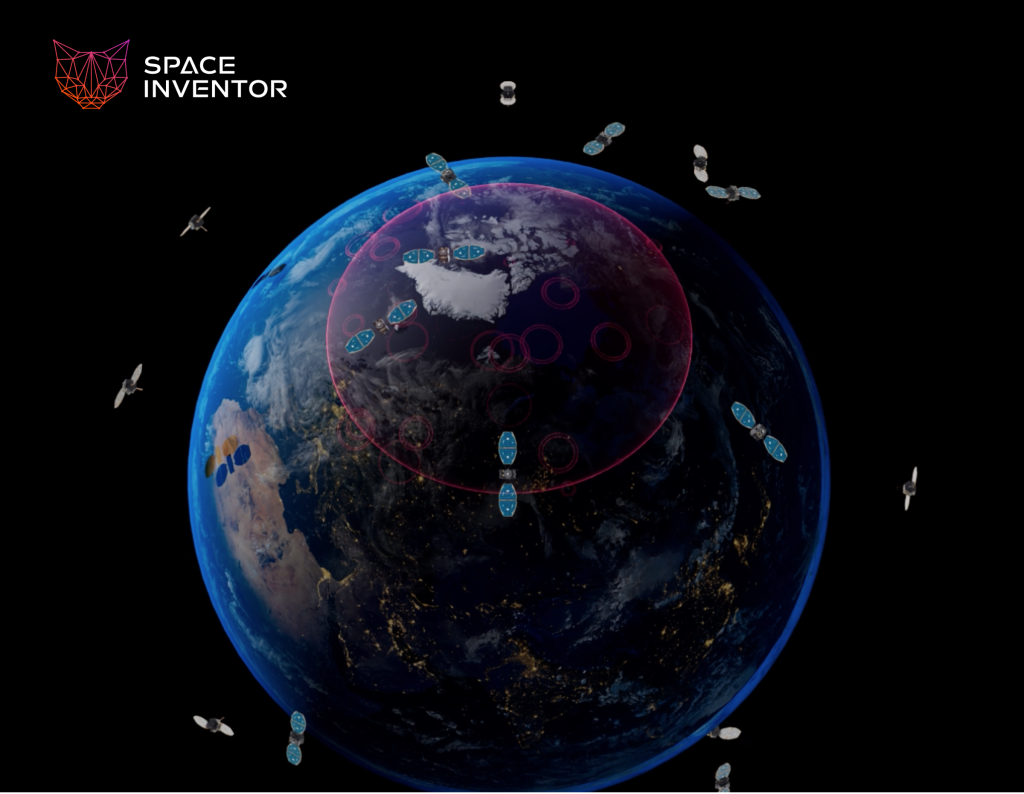
European space agencies are pursuing small-scale satellite constellations to accelerate the development and deployment of new technologies in orbit. Rather than waiting for large flagship missions that can take a decade or more to mature, these mini-constellations compress timelines from concept to operational status.
The European Space Agency and national space programs recognize that rapid technology demonstration cycles drive innovation faster than traditional procurement models. Small satellites operating in coordinated networks allow engineers to test new instruments, propulsion systems, and communications protocols in real operational environments. This approach mirrors strategies already adopted by commercial operators like SpaceX's Starlink and Amazon's Project Kuiper, which leverage constellation architecture to achieve scale quickly.
Mini-constellations offer Europe distinct advantages in the competitive space landscape. They reduce per-unit costs, lower launch barriers by fitting multiple payloads onto single rockets, and enable iterative improvements between deployment waves. A technology that underperforms in version one can be refined and deployed in version two within months rather than years. This flexibility proves especially valuable for Earth observation capabilities, communications systems, and navigation services where competitive advantage depends on rapid capability upgrades.
The European strategy targets specific needs. Earth observation constellations can monitor climate data, disaster response, and agricultural conditions with higher refresh rates than existing systems. Dedicated communication networks strengthen European autonomy in telecommunications independent of non-European infrastructure. Navigation augmentation to Galileo, Europe's global navigation satellite system, improves positioning accuracy across the continent.
Launch cadence becomes the enabler. With regular access to small-lift vehicles and rideshare opportunities aboard rockets serving other customers, European operators can maintain steady deployment schedules. Arianespace's Vega family, along with emerging European commercial launch providers, creates pathways for frequent constellation replenishment. This contrasts sharply with the past model where European space missions launched every few years at enormous per-mission cost.
The regulatory environment matters. Harmonized licensing across European nations, spectrum allocation for constellation operations, and coordination with the European Commission streamline the path from approval to deployment. National governments provide anchor tenancy commitments, guaranteeing minimum purchase volumes that make constellation economics viable for private operators.
Technological spinoffs extend beyond government applications. European technology companies gain experience building flight-proven systems for harsh space environments. This expertise translates to commercial contracts, export opportunities, and competitive positioning against American and Chinese vendors already operating constellation fleets.
The timeline challenge remains real. Even mini-constellations require two to three years between concept and first launch. Maintaining political support and funding consistency across electoral cycles tests European commitment. Competition from established players with operational constellations already in orbit raises the bar for performance and reliability.
Success hinges on execution. European agencies must demonstrate that smaller, faster, iterative approaches produce better results than the traditional monolithic mission philosophy. If mini-constellations deliver capabilities on schedule and within budget, they establish a new model for European space development. This shift redistributes power from large prime contractors toward systems integrators and component suppliers, reshaping the industrial base.
The stakes extend beyond operational benefits. Mini-constellations position Europe as an agile space power capable of responding to emerging technologies and strategic needs. In an era where space capabilities translate to economic competitiveness and geopolitical influence, velocity and adaptability become as important as raw technical sophistication.