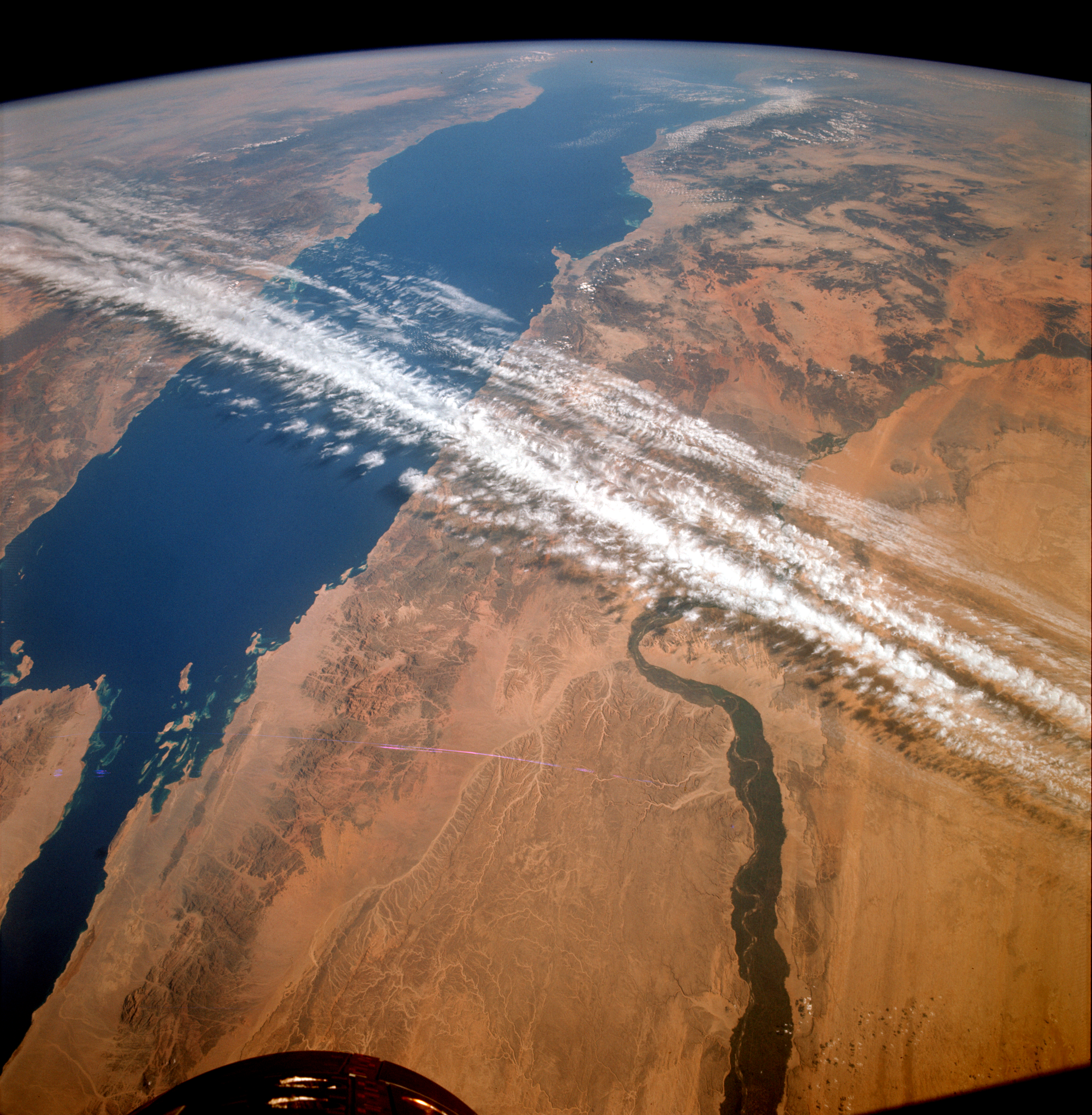
Astronauts James A. Lovell Jr. and Buzz Aldrin Jr. orbited Earth aboard Gemini XII from November 11 to 15, 1966, completing rendezvous maneuvers and spacewalks needed for lunar missions. Their orbital photographs, along with images from other Gemini astronauts, demonstrated the value of viewing Earth's surface from space.
The photos helped scientists advocate for a dedicated Earth observation satellite program. William T. Pecora, director of the United States Geological Survey from 1965 to 1971, championed the Earth Resources Observation Satellite (EROS) program. In a 1969 statement, Pecora noted that EROS, which later led to Landsat, was "conceived in 1966 largely as a direct result of the demonstrated utility of Mercury and Gemini orbital photography to Earth resource studies."
Landsat and other Earth-observing satellites have provided data for more than five decades. They monitor crops, wildfires, flooding, vegetation health, land use, and other planetary changes.