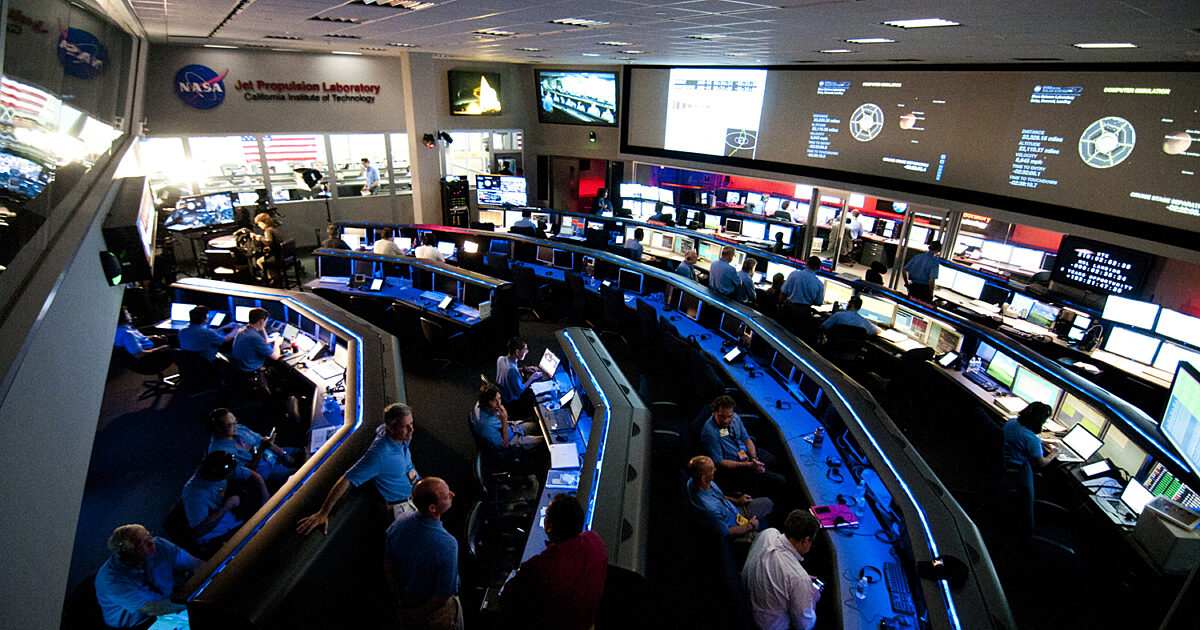
JPL marked its 90th anniversary in October 2026, tracing its roots to Halloween 1936 when Caltech graduate students launched a failed rocket experiment in Arroyo Seco, north of Pasadena, California. That unsuccessful test is considered the lab's unofficial founding moment.
JPL operates as a federally funded research and development center managed by Caltech, which has held the contract for 90 years. The contract renews every five years. In 2026, NASA announced it would open the JPL management contract to competition for the first time. Texas A&M University submitted a bid, with others potentially following.
The lab emerged from Army support for Caltech rocket research in the 1930s. The Army became interested after learning about graduate student work on rockets, connecting it to Caltech's existing aeronautics programs. The formal Jet Propulsion Laboratory was established in 1944 at an off-campus site after early rocket experiments exploded in campus buildings.
During World War II, the Army expanded the work to produce rockets for jet-assisted takeoff, which attached to aircraft wings to shorten takeoff distances from short runways and aircraft carriers. Through the early Cold War, JPL developed short-range and intermediate-range ballistic missiles. When NASA formed, JPL transferred from Army control to the new space agency, becoming the only major NASA center not previously under the National Advisory Committee for Aeronautics (NACA). JPL then focused on planetary spacecraft and has diversified since.
The name "jet propulsion" rather than "rocket propulsion" reflected branding choices of the era, when rockets were viewed as scientifically questionable compared to aeronautics work.