NASA outlined an accelerated timeline to return astronauts to the Moon during an October 23 briefing led by Administrator Jared Isaacman. The agency plans Artemis III as a test flight in 2027, followed by Artemis IV, which will land astronauts on the lunar surface in 2028.
Artemis III will conduct a crewed rehearsal in Earth orbit with four astronauts aboard the Orion spacecraft. The mission will test rendezvous and docking procedures with lunar landers from both SpaceX and Blue Origin during a planned 14-day flight. Blue Origin will launch its Blue Moon test vehicle into orbit first. Orion will then dock with it, separate, and perform a second docking with SpaceX's Version 3 Starship lunar lander.
For Artemis IV in 2028, NASA will launch Orion on the SLS rocket from Kennedy Space Center. Astronauts will transfer to either SpaceX's Starship or Blue Origin's Blue Moon Mark 2 lander to reach the lunar surface. SpaceX's approach involves refueling Starship in Earth orbit before it meets Orion. Blue Origin's design uses additional propulsion stages in orbit to send the lander toward the Moon, where it will rendezvous with Orion in low lunar orbit.
NASA has reduced SLS rocket preparation timelines by approximately 50%. The agency also redesigned, manufactured, and tested a critical fuel-line component internally in five months at roughly one-tenth the cost of an external vendor's earlier estimate. Jeremy Parsons, the Artemis program manager, stated that NASA engineers are "rebuilding our core competencies and developing centers of excellence in technical functions instead of continuing to outsource expertise."
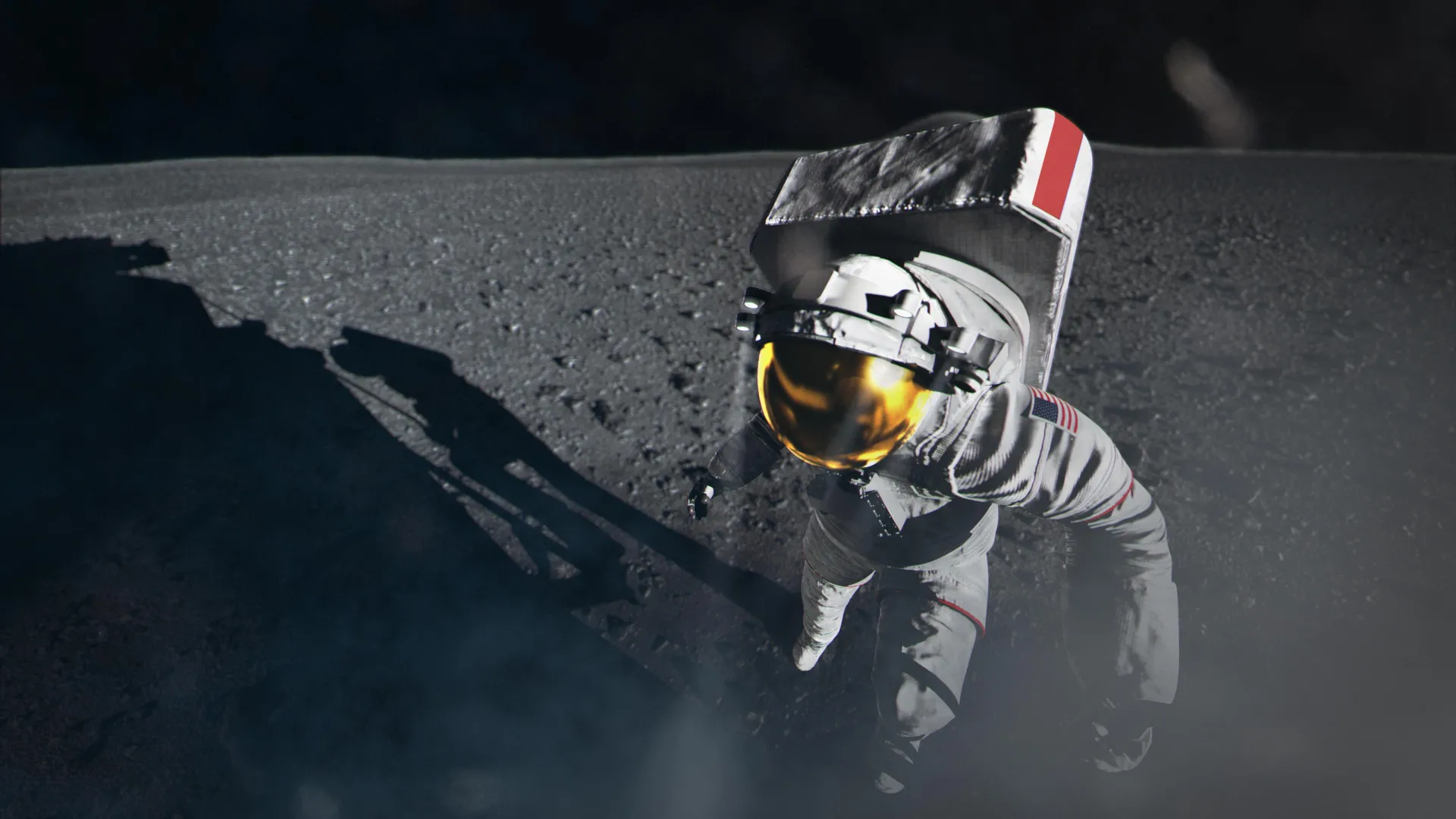
For the Sortie suit, a lighter spacesuit designed by Axiom Space specifically for the earliest moonwalks, the new design weighs approximately half as much as Axiom's primary suit. NASA is considering two possible upper stages for Artemis IV's SLS rocket: the interim cryogenic propulsion stage already in use or an extended version of United Launch Alliance's Centaur V upper stage.