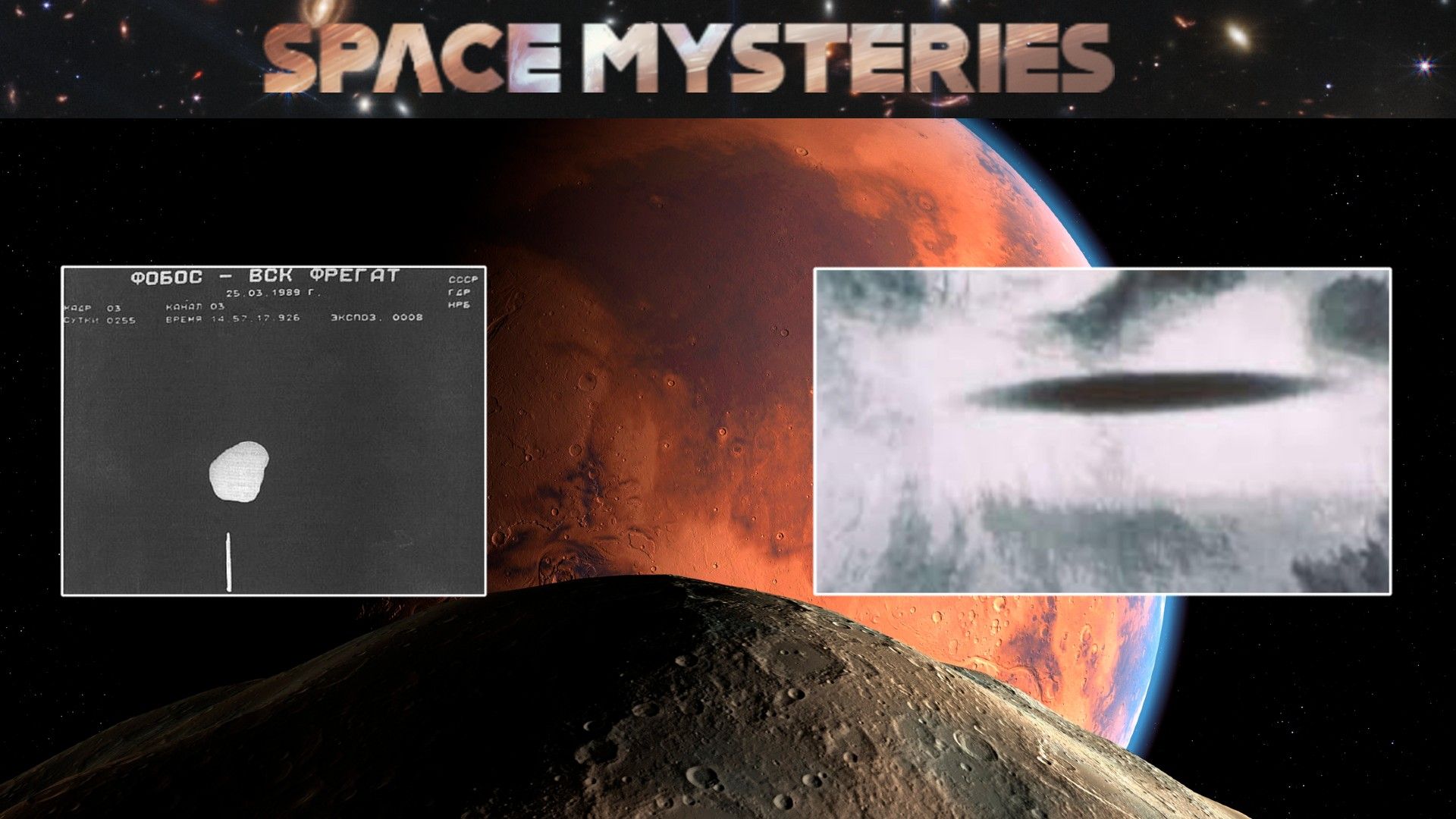
Phobos 2, launched by the Soviet Union on July 12, 1988, reached Mars orbit on January 30, 1989, and successfully captured over three dozen images of the Martian moon Phobos during its mission. The spacecraft encountered early technical problems when one of its three onboard flight system processors went offline upon arrival, with another already experiencing issues. By March, the probe's science instruments appeared to function normally despite the processor loss.
On March 27, 1989, ground controllers lost contact with Phobos 2 as it prepared to capture navigational images of Phobos. The spacecraft had been maneuvered so its communications antennas faced away from Earth during imaging. A few fleeting radio contacts followed, suggesting the spacecraft may have begun spinning uncontrollably, which would have caused power loss if its solar panels could not reorient toward the sun. Investigators identified a failure in the onboard computer system as the most probable explanation, though the exact cause remains unknown.
Images from Phobos 2's final close encounter reached Soviet ground controllers before contact was lost. The final photographs contained an unusual elongated shadow that sparked conspiracy theories, including claims by former Soviet test pilot Marina Popovich at a 1991 press conference that an alien spacecraft had disabled the probe.
A NASA-led study in 1991 explained the shadow as a result of Phobos itself casting a shadow on Mars. The Termoskan multispectral imager captured the moon's shadow as "a dark oblong cigar-shaped feature" because the spacecraft and Phobos occupied nearly the same orbit at similar speeds. The shadow's appearance resulted from the scanning instrument, the spacecraft's near-co-orbital motion with Phobos, the viewing direction, slight rocking motion of the probe, and the oblique angle at which the shadow struck the Martian surface. Similar elongated shadows have been observed in images captured since the Phobos 2 mission.