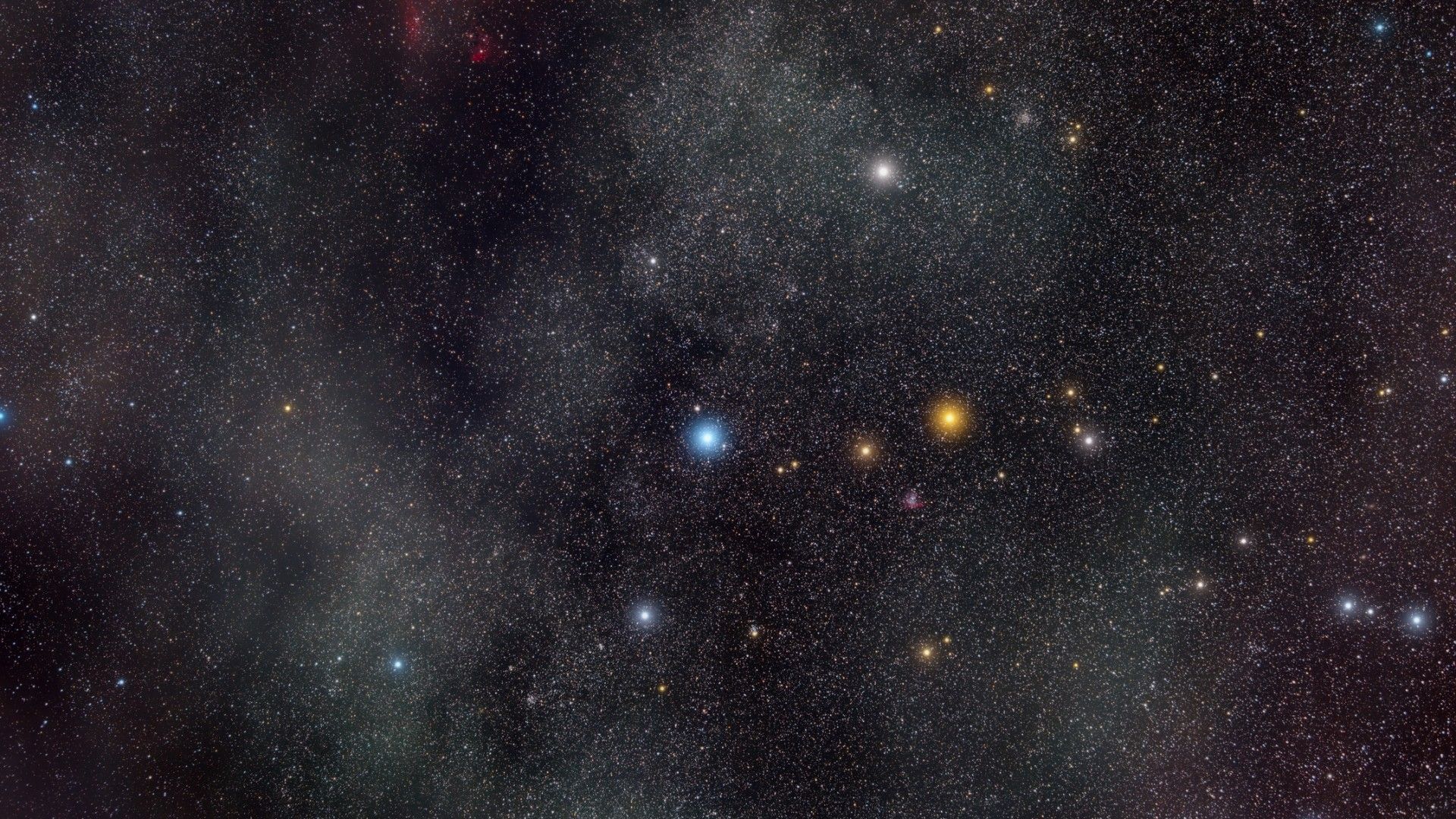
Cassiopeia's distinctive W shape appears to rotate throughout the night, shifting to resemble an E, M, or 3 depending on when you observe it. The constellation does not actually move. Instead, Earth's rotation causes this apparent motion as Cassiopeia circles the north celestial pole, currently marked by Polaris.
Cassiopeia is a circumpolar constellation visible year-round from northern latitudes. Unlike constellations that rise in the east and set in the west, its five main stars—Caph, Schedar, Navi, Ruchbah, and Segin—never dip below the horizon for observers far enough north. Late November offers an ideal window to observe this effect. By noting Cassiopeia's orientation early in the evening and checking again several hours later, observers can directly witness Earth's rotation without instruments.
The five bright stars in Cassiopeia span vast distances. Caph lies 55 light-years away, Ruchbah 99 light-years, Schedar 228 light-years, Segin 440 light-years, and Navi 550 light-years. Only Caph and Ruchbah fall within the sun's local stellar neighborhood of 100 light-years. This spread means Cassiopeia forms a mirage as a group—the stars appear connected only from Earth's vantage point.
Observers can also spot star clusters within Cassiopeia's boundaries this month. The Double Cluster (NGC 869 and NGC 884) sits on the border between Cassiopeia and Perseus. NGC 457, known as the Owl Cluster, NGC 663, and M52 are visible with binoculars under moderately dark skies. The waning moon will rise later each night through early December, improving conditions for viewing these deep-sky objects.