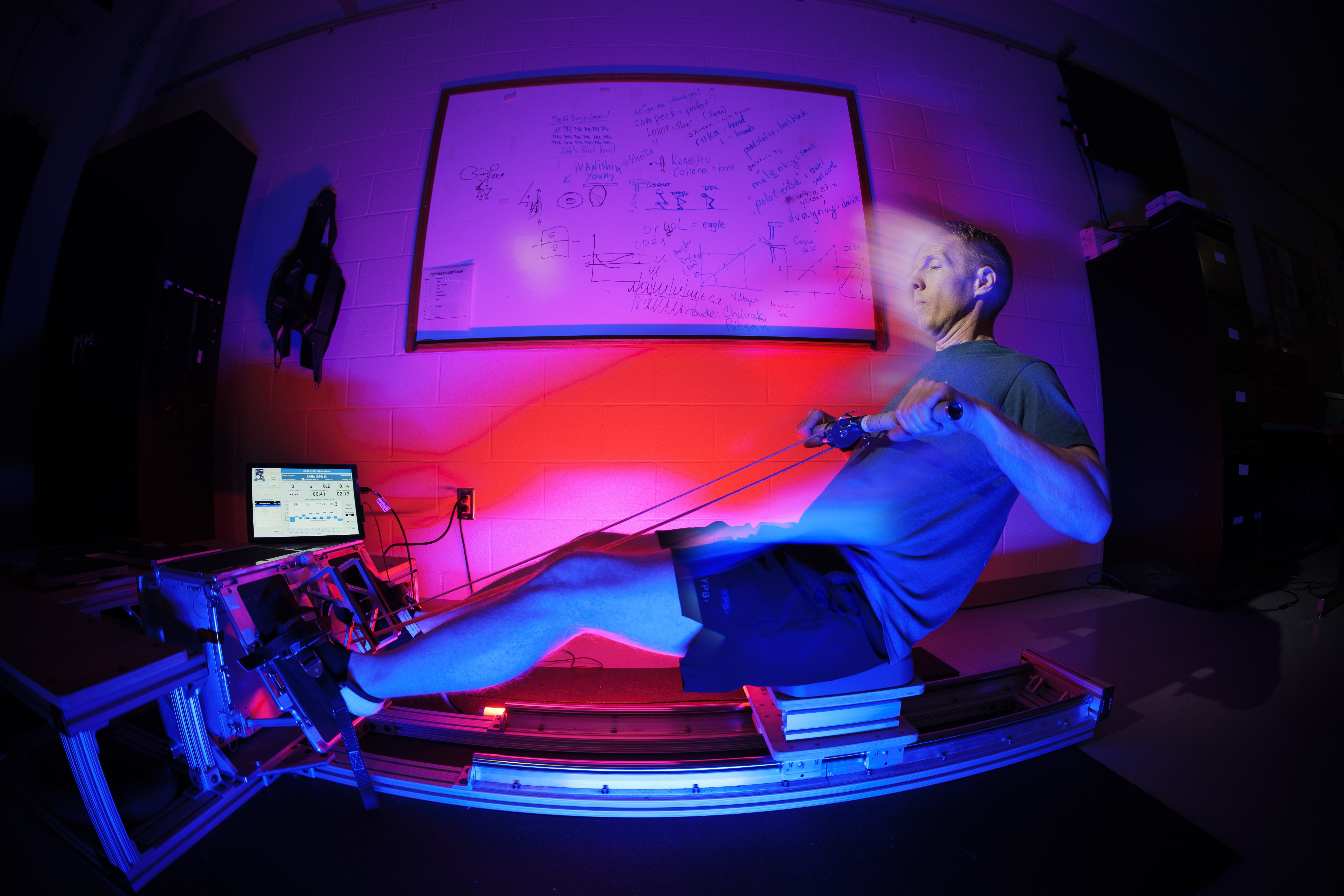
Ryan Schulte, Orion flywheel project manager at NASA, oversaw a critical piece of equipment that kept Artemis II astronauts healthy during their 694,481-mile journey around the Moon. The four-person crew used the flywheel exercise device throughout their mission to combat the physical and mental effects of deep space travel.
The flywheel represents a practical solution to a fundamental challenge of lunar missions. Weightlessness degrades astronaut muscle and bone density rapidly. Without countermeasures, crew members arrive at their destination weakened and at risk. Schulte's team engineered the device to deliver effective resistance training in the confined quarters of the Orion capsule.
The Artemis II mission validated that the flywheel system performs as designed in actual deep space conditions. The crew maintained their conditioning across the multi-day transit, demonstrating that NASA's life support architecture for Orion meets the demands of sustained human spaceflight beyond Earth orbit.
This engineering success establishes a foundation for future lunar missions, including Artemis III, which targets a crewed landing near the Moon's south pole. The flywheel will continue playing an essential role as NASA extends human presence deeper into the solar system.