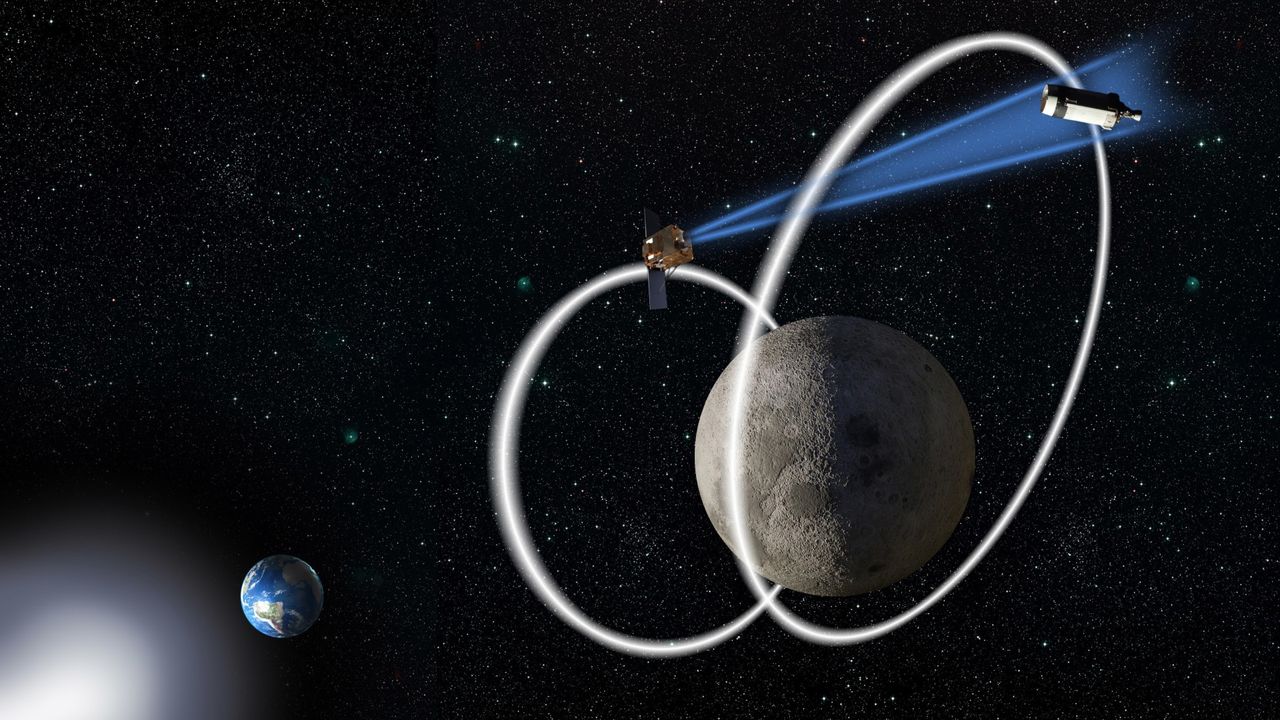
Military strategists are examining whether cislunar space, the region between Earth and the Moon, could become a flashpoint for future conflict similar to the Strait of Hormuz. The comparison highlights how orbital zones near the Moon may develop into contested territory as space activity accelerates.
The Strait of Hormuz controls roughly 20 percent of global oil transit. Cislunar space occupies comparable strategic importance for emerging lunar operations, lunar bases, and deep space missions. Control of key orbital positions could theoretically allow one power to restrict another's access to Moon resources and exploration capabilities.
Experts warn that without international agreements, the relatively empty region could transform into a contested domain. Nations establishing lunar infrastructure first may gain positional advantages for blocking rival spacecraft or resources.
Current space law, including the 1967 Outer Space Treaty, prohibits weapons of mass destruction in orbit but lacks mechanisms for managing conventional military activity or blockades. As NASA, China, and private companies accelerate lunar programs, the governance gap widens.
The scenario remains theoretical. No active military presence exists in cislunar space today. However, the parallel to terrestrial chokepoints underscores that space strategy mirrors geopolitical competition on Earth. Future lunar economies and permanent bases will require clarity on military rights and obligations.