# Apple TV's 'For All Mankind' Spin-Off Explores Soviet Space Program History
Apple TV's "For All Mankind" universe expands with a new spin-off focused on the Soviet space program, forcing cast members to grapple with historical realities far removed from contemporary experience. The show, titled "Star City," examines the brutality and sacrifice inherent in the USSR's space race efforts during the Cold War.
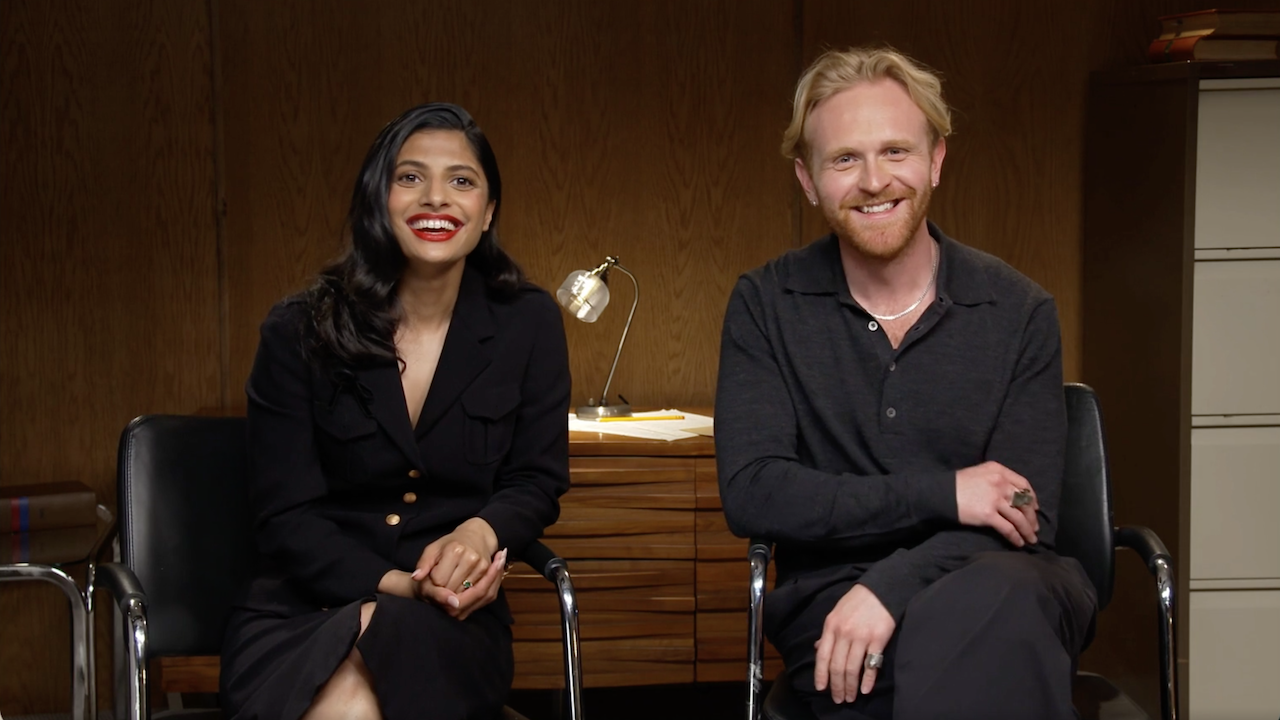
Cast members confronted the stark differences between their own lives and the experiences of Soviet cosmonauts and engineers. The historical setting required actors to inhabit characters operating under totalitarian constraints, resource scarcity, and state control fundamentally different from modern democratic societies. This disconnect between present-day performers and their historical subjects created genuine creative challenges.
The "For All Mankind" franchise has built its reputation on alternate-history storytelling that explores what might have happened if the Soviet Union achieved space dominance. This new spin-off extends that narrative lens directly into Soviet territory, examining the cosmonauts and engineers who drove their space ambitions.
Soviet space exploration stands as one of history's most significant technical achievements. The USSR accomplished multiple firsts: Yuri Gagarin became the first human in space in 1961. Valentina Tereshkova became the first woman in orbit in 1963. Soviet engineers pioneered the Soyuz spacecraft, which remains operational today. These accomplishments emerged from a system built on rigid hierarchies, severe punishment for failure, and often grim working conditions.
"Star City," the actual cosmonaut training facility near Moscow, served as the real-world backdrop for Soviet space operations. The facility operated under secrecy and isolation that shaped both the training regimen and the psychological burden on participants.
By centering on Soviet experiences, the show attempts to humanize a space program often depicted through Western Cold War narratives.