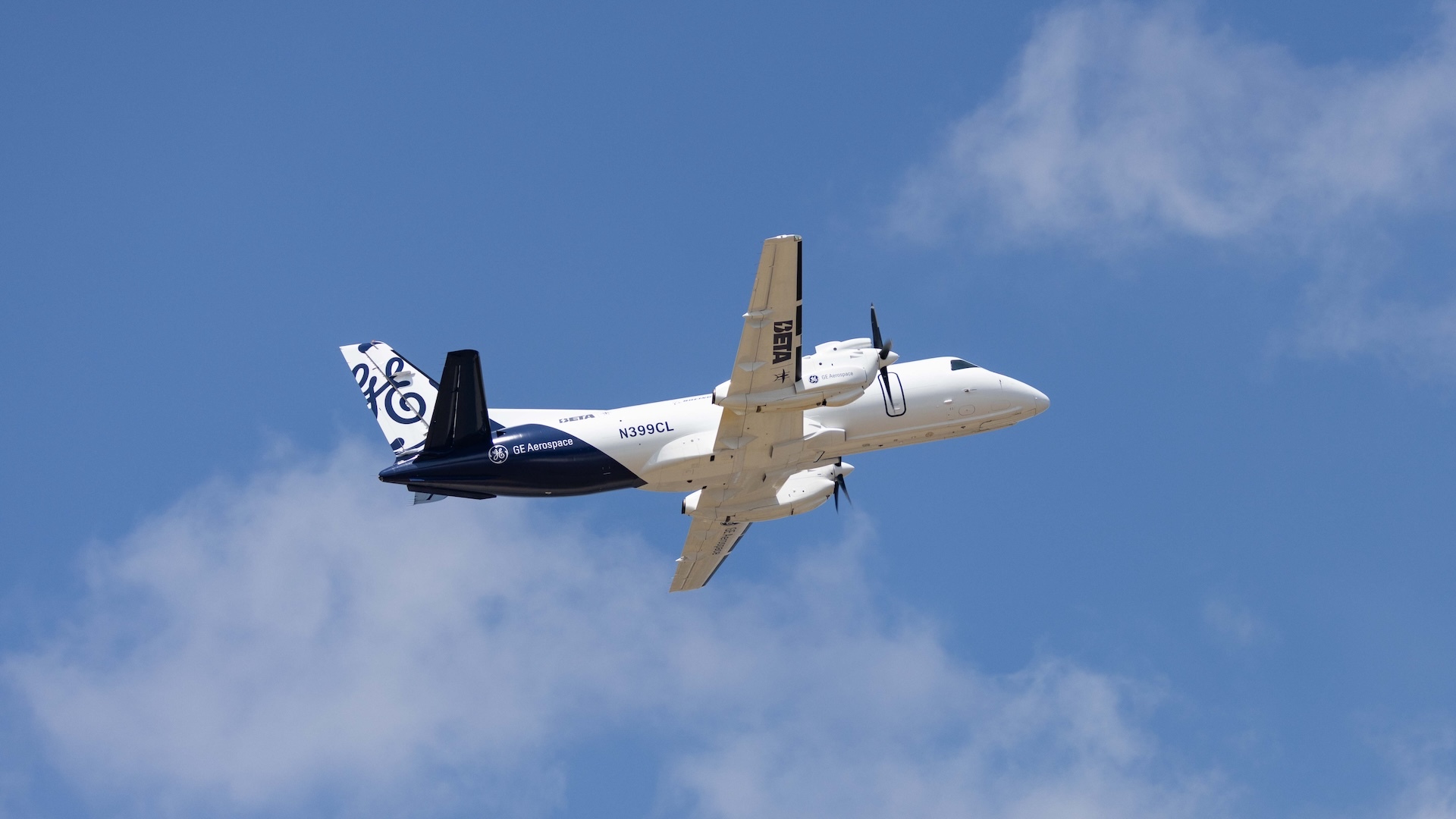
NASA and GE Aerospace successfully demonstrated a megawatt-class hybrid-electric engine in flight, marking a pivotal step toward fuel-efficient aircraft propulsion systems. The engine flew mounted to a Saab 340B aircraft at the Farnborough International Air Show in the United Kingdom, showcasing technology developed through the joint collaboration between the space agency and the aerospace manufacturer.
Hybrid-electric propulsion combines conventional fuel combustion with electric battery power, reducing fuel consumption and emissions compared to traditional jet engines. The megawatt-class rating indicates the engine operates at substantial power levels, making it relevant for regional and commercial aviation rather than experimental ultralights.
This demonstration fulfills NASA's research objectives under the Sustainable Aviation initiative, which aims to develop technologies that cut aviation emissions and operating costs. The agency has long pursued hybrid-electric systems as a bridge technology toward fully electric flight for larger aircraft, with near-term applications in regional aviation most practical.
GE Aerospace brought manufacturing expertise and engine integration knowledge to translate NASA research into a functioning, flight-tested system. The Saab 340B, a twin-engine turboprop typically used for regional transport, provided an appropriate platform for validating the hybrid system's performance in real-world conditions.
Flight demonstration serves as critical validation data. Researchers gathered information on engine efficiency, thermal management, battery performance, and control systems during sustained flight operations. This operational data informs design iterations for next-generation aircraft powerplants and provides baseline performance metrics for the aerospace industry.
The Farnborough venue reached a global audience of manufacturers, airlines, and regulators, effectively advancing the technological narrative around sustainable aviation. Public demonstration signals that hybrid-electric propulsion has transitioned from laboratory concept to flight-capable hardware.
Wider industry adoption depends on several factors: battery energy density improvements, manufacturing cost reduction, regulatory certification pathways, and infrastructure development for electric charging at