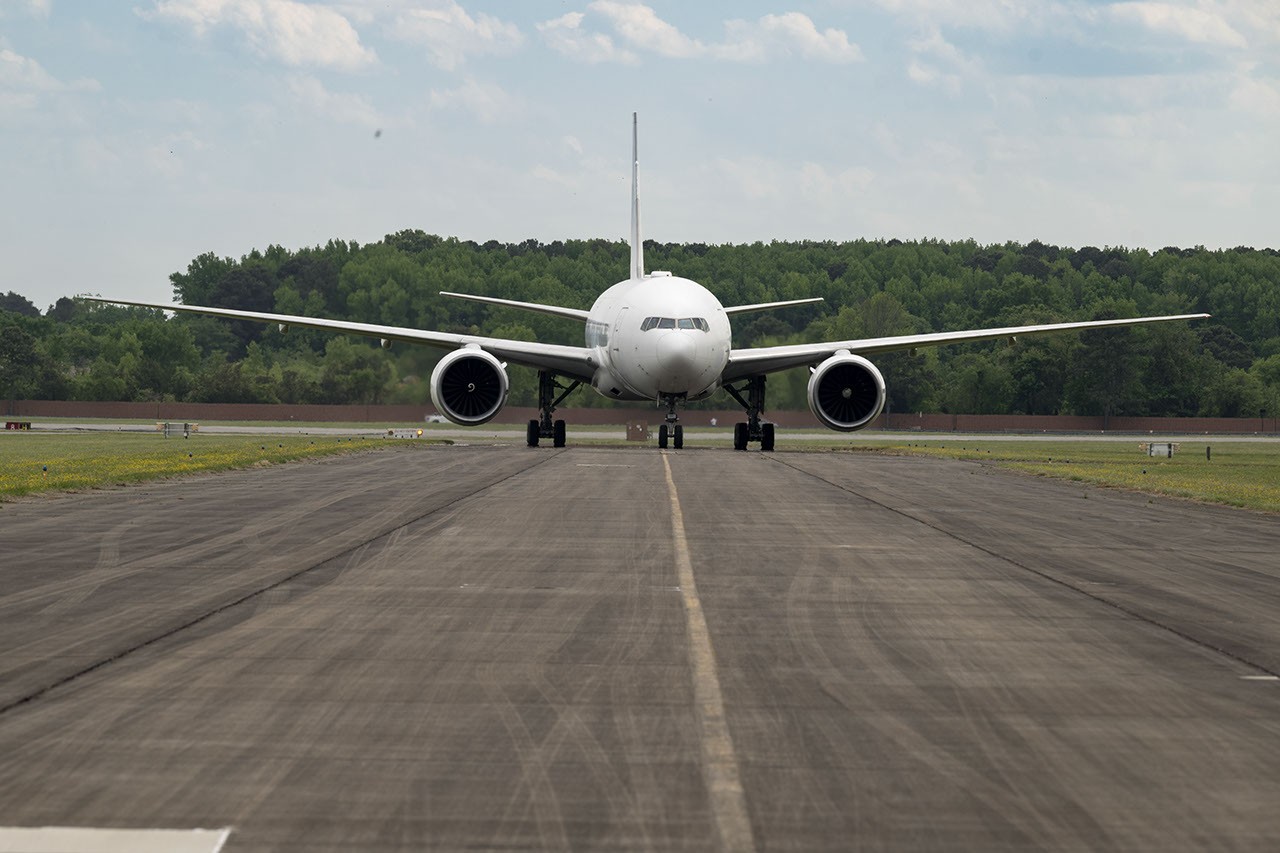
NASA is launching six new Earth science airborne campaigns beginning this summer to monitor atmospheric composition, ocean health, and climate variables from above. These missions deploy specialized aircraft equipped with sensors designed to collect data on phenomena ranging from air quality to sea surface temperatures.
The campaigns represent NASA's commitment to understanding Earth's systems through direct atmospheric and oceanic measurement. Aircraft-based observation fills critical gaps between satellite data and ground stations, offering detailed regional and local-scale insights that complement broader orbital perspectives.
Each mission targets specific scientific questions. Some campaigns focus on air quality monitoring in regions affected by pollution and wildfire smoke. Others examine ocean productivity and coastal ecosystems. Several track atmospheric water vapor, clouds, and radiation balance, variables essential for validating climate models and improving weather predictions.
These airborne platforms carry instruments like spectrometers, radiometers, and lidar systems that measure light absorption and reflection at multiple wavelengths. This approach reveals chemical composition, aerosol properties, and physical structure of the atmosphere and ocean surfaces with precision that satellite instruments cannot always achieve.
The summer timing aligns with seasonal conditions optimal for collecting data on specific phenomena. Arctic campaigns capture summer melt dynamics and atmospheric interactions over ice. Tropical missions observe peak hurricane season atmospheric precursors and tropical cloud behavior. Mid-latitude campaigns monitor summer ozone formation and pollutant transport.
Data from these campaigns feeds directly into climate and weather models operated by NOAA and other agencies. Researchers use the measurements to validate satellite instruments, test new measurement techniques, and improve understanding of Earth system processes. The information strengthens predictions for everything from air quality forecasts to hurricane intensity estimates.
These missions also train the next generation of Earth scientists and test technologies destined for future space-based instruments. Airborne campaigns serve as laboratories where methods are refined before committing expensive satellite assets to space. This iterative approach reduces risk and accelerates scientific discovery.
The six campaigns collectively