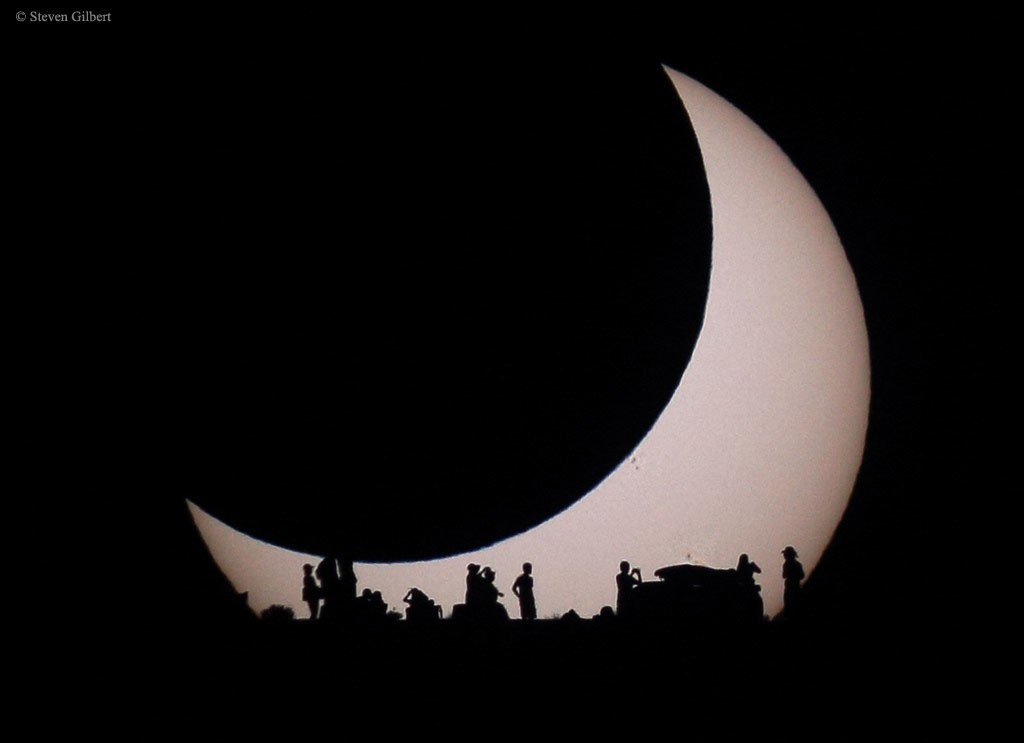
NASA's Astronomy Picture of the Day program delivers daily images of the cosmos paired with professional astronomical commentary. The August 9, 2026 feature focused on the Sun, Earth's star and the center of our solar system.
The Sun dominates our cosmic neighborhood. It accounts for 99.86 percent of all mass in the solar system. Nuclear fusion in its core converts hydrogen into helium, releasing the energy that powers all life on Earth. Understanding solar physics remains essential for predicting space weather events that affect satellites, power grids, and communications infrastructure.
APOD, operated by NASA and the Goddard Space Flight Center, serves as a public-facing scientific resource. Astronomers and astrophysicists contribute daily explanations that translate complex celestial phenomena into accessible language. The program has run continuously since 1995, accumulating over 11,000 archive entries.
Solar observation technology has advanced dramatically. NASA's Solar Dynamics Observatory captures detailed images of the Sun's atmosphere, chromosphere, and corona in multiple wavelengths. The Parker Solar Probe, launched in 2018, travels within 3.9 million miles of the solar surface, collecting data on solar wind acceleration and magnetic field behavior. These missions reveal how the Sun's 11-year activity cycle influences Earth's upper atmosphere and space environment.
Solar imagery serves both scientific and educational purposes. High-resolution photographs reveal sunspots, solar flares, and coronal mass ejections. Laypeople glimpse the dynamic, violent nature of stellar physics. Students gain perspective on our place in the universe.
The Sun's study remains unfinished business. Researchers still work to fully explain the coronal heating problem: why the Sun's outer atmosphere reaches millions of degrees while its surface remains at 5,500 Kelvin. Ongoing observations from SOHO, Hinode, and other spacecraft continue refining