# Star Trek's 60-Year Legacy Gets Cinematic Treatment with William Shatner Documentary
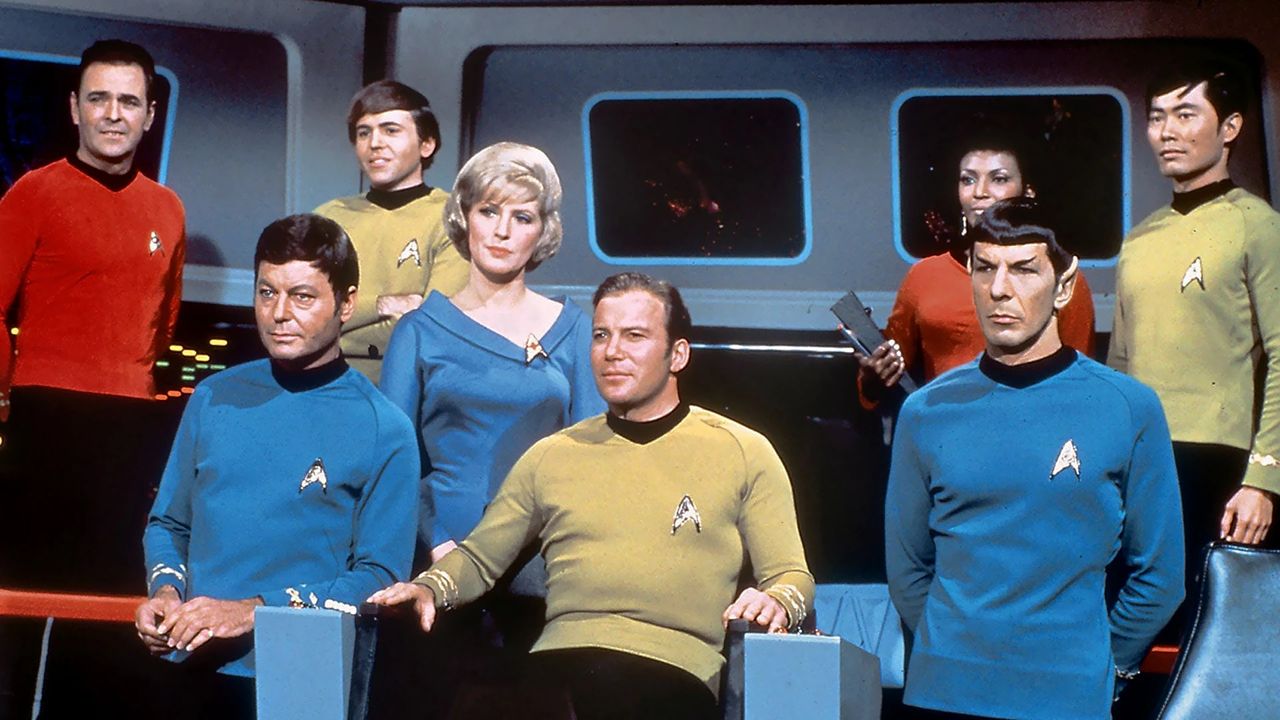
A new documentary centered on William Shatner arrives in theaters this fall, marking six decades since "Star Trek" first launched onto television screens in 1966. The film serves as a comprehensive celebration of the franchise's cultural impact, scientific influence, and enduring appeal across generations of viewers and space enthusiasts.
Shatner, who originated the role of Captain James T. Kirk on the original series, brings personal perspective to the project. His involvement carries particular weight given his recent spaceflight aboard Blue Origin's New Shepard vehicle in October 2021, which made him the oldest person to reach space at age 90. That experience added a new dimension to Shatner's relationship with the science fiction property that defined much of his career.
The documentary explores how "Star Trek" shaped popular culture's vision of space exploration for over half a century. The original series ran for just three seasons between 1966 and 1969 but spawned multiple spinoffs, films, and reboots that continue expanding the franchise. "The Next Generation" debuted in 1987, followed by "Deep Space Nine," "Voyager," "Enterprise," and the recent series "Discovery" and "Picard." The franchise generated billions in revenue while influencing engineers, scientists, and astronauts who cite the show as inspiration for their careers.
The connection between Star Trek's fictional universe and real space exploration runs deeper than most realize. Technologies depicted on the show, from communicators to tablet computers, preceded their real-world equivalents by years or decades. NASA and SpaceX personnel have acknowledged the series' role in sparking their passion for space. The documentary examines this symbiotic relationship between imagination and innovation.
The film's tagline, "This film is a love letter to Star Trek," signals its approach. Rather than critical examination, the project celebrates the franchise's achievements while documenting conversations among cast members, creators, and space professionals. The documentary format allows viewers to revisit pivotal moments across Star Trek history while gaining insight into how the show evolved alongside actual space exploration achievements.
Shatner's presence frames the narrative with authenticity. His portrayal of Kirk established the archetype for television captains and shaped how audiences imagined space exploration. At 93 years old, Shatner now bridges the gap between Star Trek's origins in the 1960s and contemporary space travel. His real experience in space adds profound resonance to a project celebrating humanity's enduring fascination with the cosmos.
The timing of the documentary's theatrical release coincides with renewed momentum in commercial spaceflight. Companies like SpaceX, Blue Origin, and Virgin Galactic actively transport civilians to space. Star Trek's vision of accessible space exploration, once purely fictional, moves incrementally closer to reality. The documentary captures this cultural moment when the franchise's 60-year-old dreams face the prospect of partial fulfillment.
The film also arrives as Paramount launches new Trek content across its streaming platforms. "Strange New Worlds," featuring the younger version of Kirk's predecessor, premiered in 2022. Other series in development signal the franchise's continued expansion. The documentary serves as both retrospective and celebration of a property that shows no signs of diminishing cultural relevance.