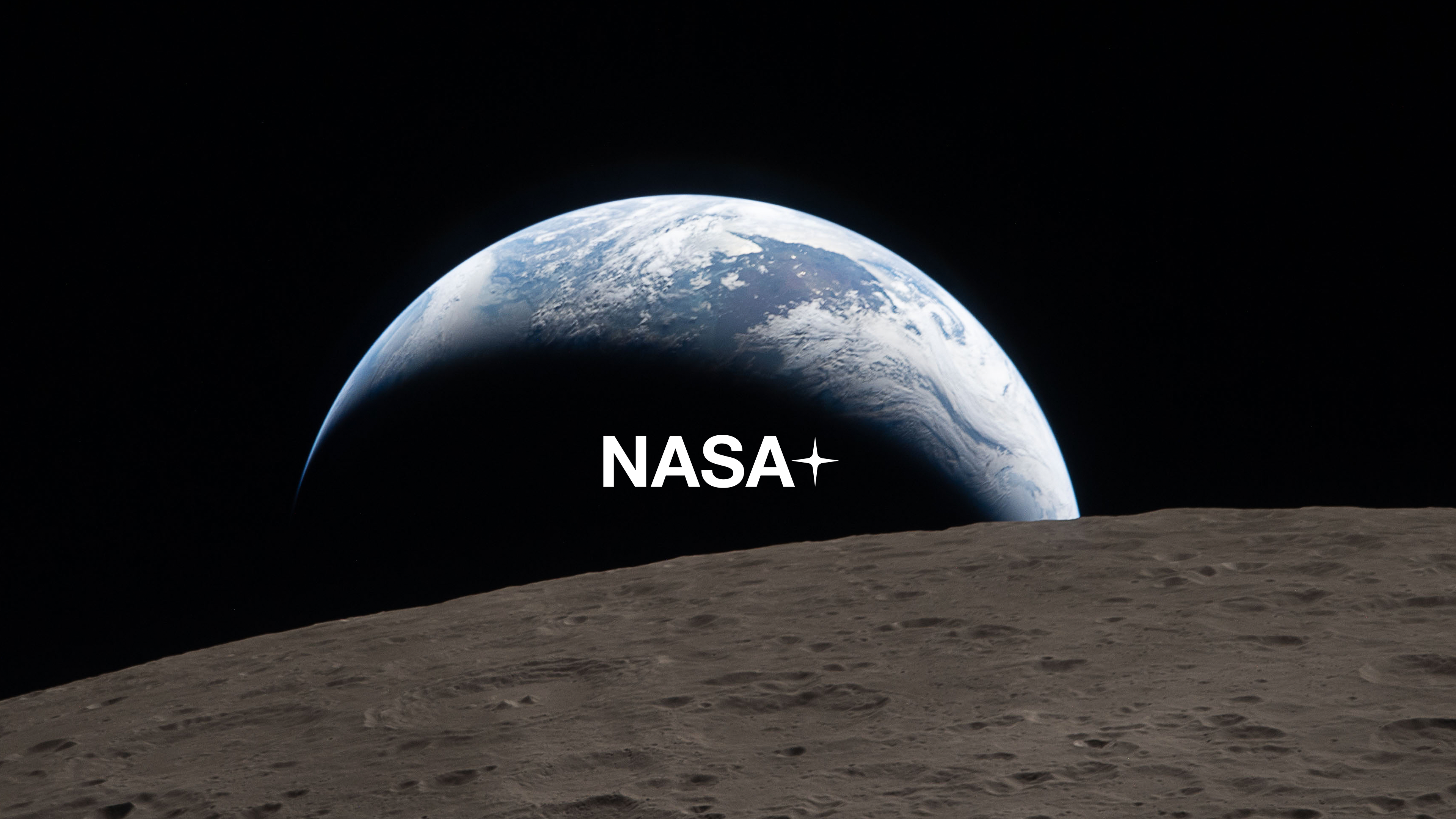
NASA expanded its streaming presence Monday by launching NASA+ on discovery+ and securing programming partnerships with HBO Max. The continuous live feed now reaches discovery+ audiences through dedicated live channels, while HBO Max will feature NASA's marquee events, notably the Artemis III lunar mission scheduled for 2027.
The move reflects NASA's strategy to democratize access to space exploration content across major streaming platforms. discovery+ users gain real-time access to NASA programming, whereas HBO Max viewers will experience curated coverage of high-profile missions and announcements. Artemis III represents the centerpiece of this partnership, as the mission will return humans to the lunar surface for the first time since Apollo 17 in 1972.
NASA+ originally debuted as a dedicated streaming service offering documentaries, live mission coverage, and educational content. Expanding to discovery+ and HBO Max substantially broadens the agency's reach beyond early adopters. The partnership acknowledges that major streaming platforms command vastly larger audiences than niche space services.
Artemis III carries enormous weight in NASA's exploration agenda. The mission will land astronauts at the Moon's south polar region, where permanently shadowed craters contain water ice. This resource extraction capability positions Artemis III as a precursor to sustained lunar operations and eventual Mars missions. HBO Max's commitment to streaming these events signals confidence in public interest for human spaceflight achievements.
The streaming expansion also reflects changing media consumption patterns. Traditional television broadcasts of space missions have declined in viewership, while on-demand and streaming platforms dominate audience attention. By meeting audiences where they already spend time, NASA increases the likelihood that Artemis III's achievements reach broader demographics, particularly younger viewers.
This distribution strategy extends beyond simple content delivery. It normalizes space exploration as entertainment and education, embedding NASA missions into platforms people use daily. When HBO Max subscribers encounter Artemis III coverage alongside entertainment content, space exploration gains cultural prominence