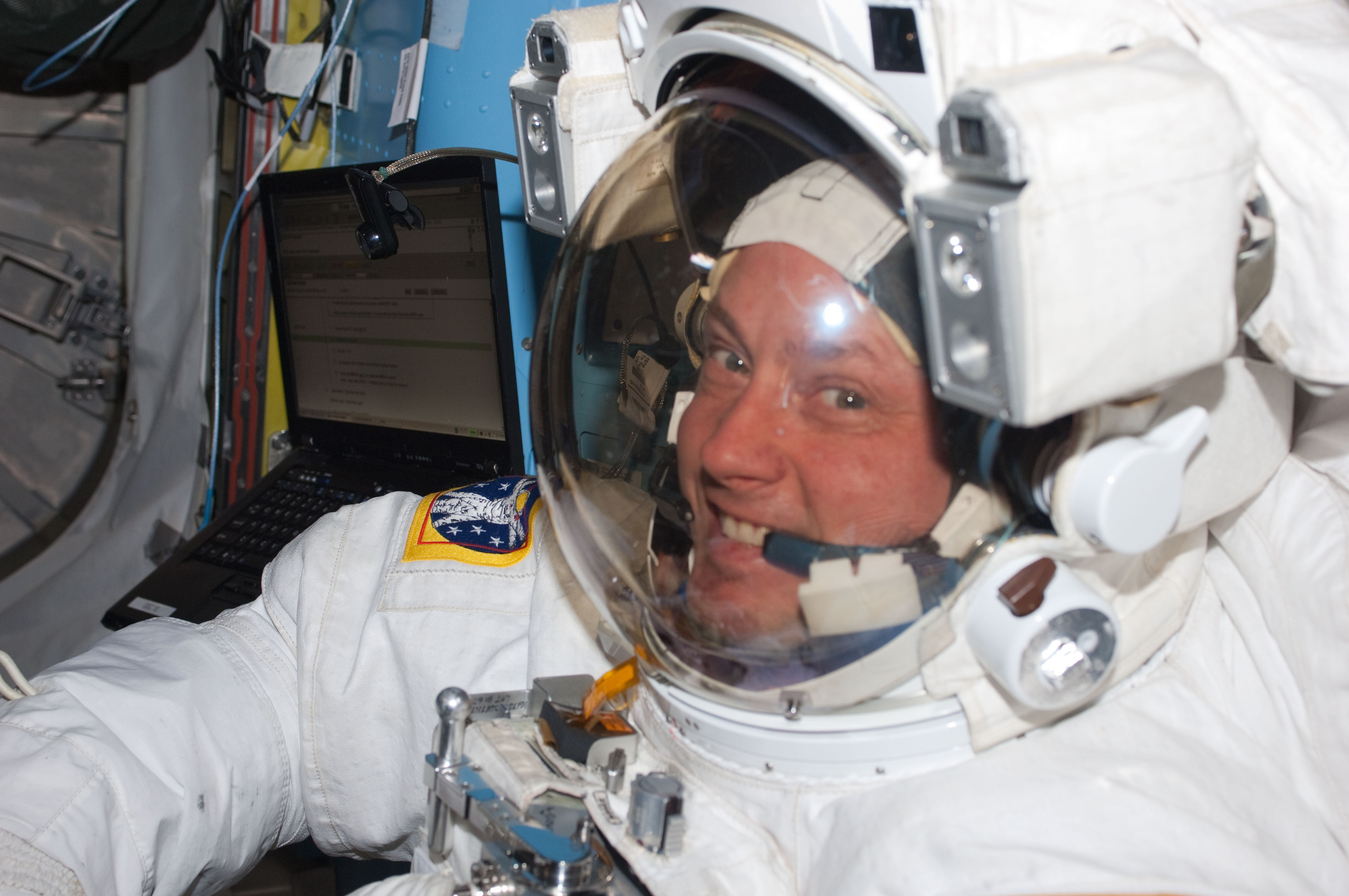
Mike Fincke departs NASA after three decades of service, concluding one of the most productive careers in the agency's human spaceflight program. The veteran astronaut flew four missions, accumulated 549 days in orbit, and performed nine spacewalks during his tenure.
Fincke's four spaceflights spanned two decades of space exploration. His missions included expeditions to the International Space Station during critical phases of its construction and operations. The 549 days he spent in space ranks him among NASA's most experienced orbital explorers. His nine spacewalks demonstrated the hands-on engineering work required to maintain and expand the orbital outpost.
His departure marks the end of a career that witnessed the transition from Space Shuttle operations to the modern era of commercial crew vehicles and extended ISS missions. Fincke participated in the fundamental work of assembling and maintaining humanity's permanent foothold in low Earth orbit. That continuous presence above the planet depended on astronauts like Fincke performing the technical tasks that kept the station operational.
The ISS served as the backdrop for much of Fincke's contributions to space exploration. As construction crews rotated through expeditions, astronauts conducting spacewalks installed modules, repaired systems, and integrated experiments. Fincke's nine extravehicular activities placed him in the upper tier of spacewalking astronauts.
Fincke's exit from NASA reflects generational change within the astronaut corps. Space exploration now relies on a mix of veteran fliers like Fincke and newer astronauts entering through commercial partnerships and international agreements. His departure removes decades of institutional knowledge about ISS operations and spacewalk procedures.
Over thirty years, Fincke witnessed the evolution of human spaceflight from the final shuttle flights through the emergence of SpaceX's Crew Dragon and Boeing's Starliner as vehicles