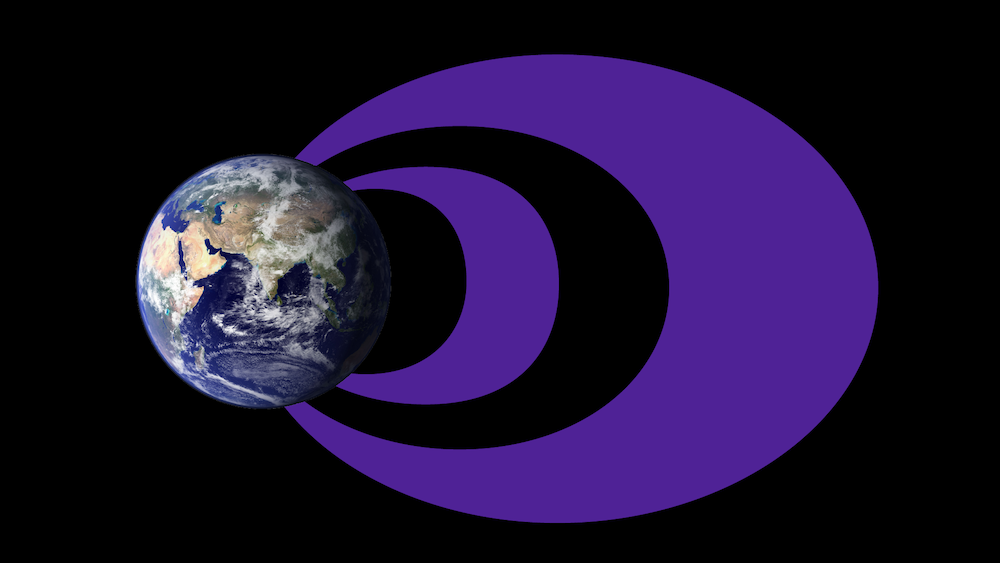
Extreme solar storms can deliver a year's worth of cosmic radiation to aircraft passengers during a single flight, according to new research examining the intersection of space weather and aviation safety.
Solar eruptions expand Earth's Van Allen radiation belts, the inner and outer regions of high-energy particles trapped in the planet's magnetic field. During severe geomagnetic storms, these belts swell dramatically, exposing commercial aircraft flying at cruising altitude to elevated radiation levels. A solar event matching the intensity of the 1956 Carrington Event would flood passengers with annual radiation doses in hours, researchers found.
The study extends beyond radiation exposure. Electronic systems in aircraft experience measurable faults during extreme space weather. Researchers point to recent Airbus incidents as real-world evidence of disruptions occurring when solar activity reaches sufficient intensity.
Aviation operates in a delicate equilibrium. Commercial jets at typical cruising altitudes, around 35,000 feet, sit within the outer edge of Earth's protective magnetosphere. This region normally shields passengers from the bulk of solar radiation. But during geomagnetic storms, that shield weakens. The Van Allen belts expand outward, bringing concentrated radiation directly into flight paths.
The health implications demand attention. A single exposure to year-long radiation levels poses acute risks. Accumulated radiation exposure over multiple polar flights already concerns aviation regulators and crew health experts. Severe space weather would compress that exposure into a single incident, potentially crossing thresholds that trigger acute radiation sickness.
The electronic disruptions compound the problem. Aircraft depend on precision navigation systems, communication networks, and automated controls. Solar storms induce electrical currents in these systems, causing malfunctions ranging from minor sensor errors to serious navigation failures. The combination of radiation exposure and system faults creates compounding hazards during the precise, critical phases of flight.
Current space weather forecasting provides some warning. The National Oce