# 'Ghosts of Mars' at 25: How Close Are We to Living on the Red Planet?
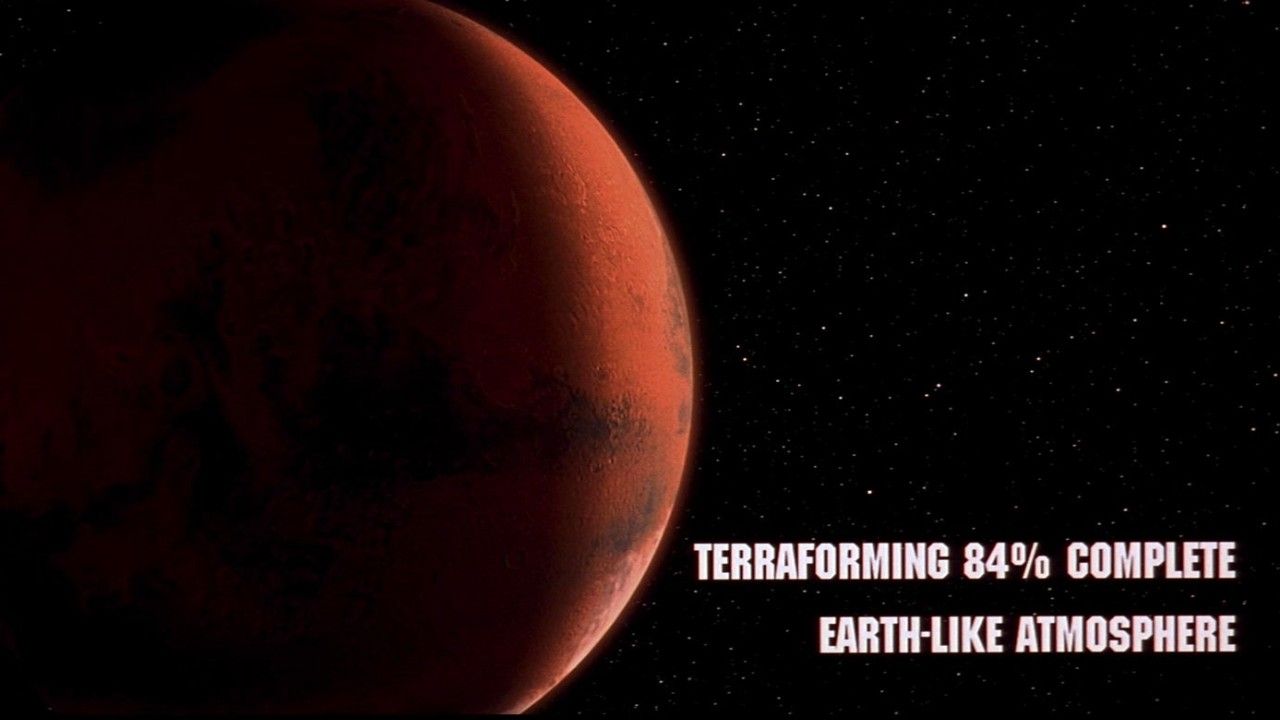
John Carpenter's 1st film "Ghosts of Mars" premiered a quarter-century ago with a vision of a terraformed Red Planet where humans lived in established settlements. The movie depicted mining operations, autonomous habitats, and a functioning Martian society. Today, as NASA, SpaceX, and international space agencies accelerate Mars exploration programs, the question becomes sharper. How close are we actually to turning that science fiction into science fact?
The path to Mars habitation requires solving multiple technological and biological challenges. Current missions focus on reconnaissance and resource identification rather than settlement infrastructure. NASA's Perseverance rover, operating since February 2021, collects geological samples and analyzes Martian soil composition. These datasets inform future human landing site selection and identify subsurface water ice, essential for both drinking water and oxygen extraction through electrolysis.
SpaceX's Starship development program represents the most aggressive near-term Mars architecture. Elon Musk's company targets uncrewed cargo missions in the late 2020s, followed by crewed flights before 2030. Starship's design prioritizes rapid reusability and in-situ resource utilization. ISRU technology, which extracts fuel and consumables directly from Martian resources, becomes the economic linchpin for sustained human presence. Without it, resupply missions from Earth render Mars colonies prohibitively expensive.
NASA's Human Landing System program, awarded to multiple contractors including SpaceX, builds complementary capabilities. The agency's Moon-first strategy aims to demonstrate habitat technology, In-Situ Resource Utilization, and long-duration human missions on the lunar surface before Mars departure. This lunar proving ground significantly de-risks Mars operations. Technologies validated in Earth orbit and on the Moon transfer directly to Martian programs.
Terraforming, the concept central to Carpenter's film, remains firmly in the speculative realm. Atmospheric engineering requires centuries and planetary-scale climate intervention. The Martian atmosphere contains 95.3 percent carbon dioxide but measures only about one percent of Earth's atmospheric pressure. Thickening it through greenhouse gas injection, asteroid redirection, or albedo-altering particles sits generations beyond current technological capacity. Partial pressurization of localized habitats, however, faces no fundamental barriers.
Biological challenges multiply when considering long-duration human presence. Martian gravity registers at 38 percent of Earth's pull, creating unknown effects on human physiology across multi-year missions. Radiation exposure exceeds safe levels for extended surface activity without adequate shielding. Regolith dust contains perchlorates and potentially toxic minerals. Psychological isolation compounds these stressors during communications delays averaging 24 minutes round-trip.
The next decade proves decisive. NASA's Artemis program reaches peak momentum in 2026. SpaceX's Starship enters operational testing phases. International partners, particularly China's CNSA, pursue independent Mars landing and sample-return capabilities. These parallel programs create competition that accelerates timelines while establishing redundant systems.
Living on Mars remains extraordinarily difficult but no longer scientifically impossible. Unlike Carpenter's vision of terraformed open landscapes, initial habitation requires enclosed pressurized environments, automated life support systems, and continuous supply chains from Earth. The first Mars residents will occupy laboratories masquerading as settlements, not mining outposts. Their work establishes the infrastructure for subsequent waves.
Twenty-five years after "Ghosts of Mars," we stand at an inflection point. The physics works. The engineering remains unsolved but navigable. Money, political will, and sustained institutional commitment now determine whether humans set foot on Mars within this decade or wait another generation.