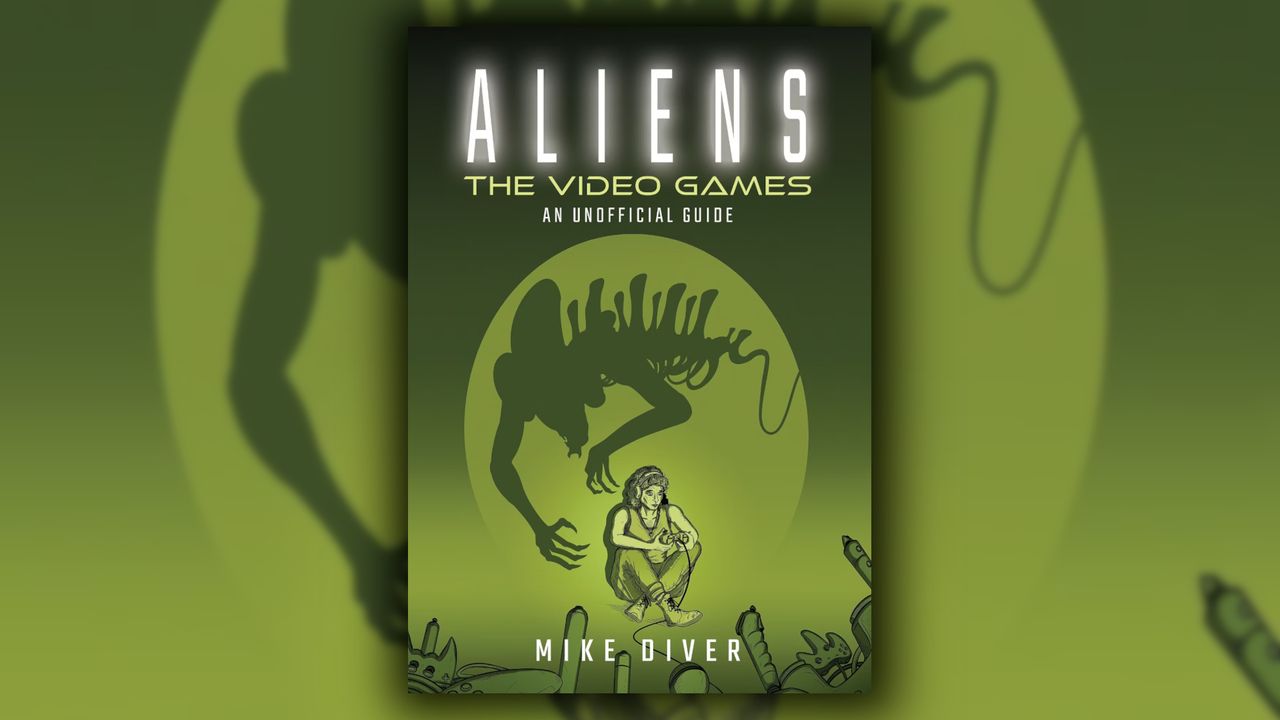
# Chronicling the Xenomorph: Mike Diver Maps Four Decades of Alien Video Games
Mike Diver has written the definitive history of Alien video games, a comprehensive chronicle tracking how the franchise translated its biomechanical terror across gaming platforms from the 1980s onward. The author examined dozens of titles spanning arcade cabinets, home consoles, personal computers, and mobile devices, recovering forgotten entries alongside canonical classics.
The Alien franchise generated over 100 video game adaptations since the first arcade game arrived in 1982. Most players remember *Aliens: Colonial Marines* and its notorious 2013 release, or the survival horror tension of *Alien: Isolation*. Diver's research uncovers the deeper catalog. He tracked down original developers, interviewed creators who built games on tight budgets and tighter deadlines, and documented how each generation of hardware shaped gameplay possibilities.
The book reveals patterns in how developers interpreted Xenomorph lore. Early arcade versions stripped the films down to pure action. 1980s home computer ports by companies like Electric Dreams Software prioritized resource management and evasion over combat. Sega's *Aliens* arcade cabinet in 1990 pioneered run-and-gun mechanics that influenced the entire genre. Strategic games like *Aliens: Infestation* on Nintendo DS proved the franchise could sustain puzzle-solving and squad tactics alongside firefights.
Diver's research methodology involved detective work. Some developers had scattered to different studios or left the industry entirely. Trade magazines from the 1980s and 1990s provided leads. Publisher archives held design documents and dev diaries. Online communities of retro gaming enthusiasts contributed photographs, memory cards with original code, and oral histories of development crunch periods. This archival effort preserves a piece of video game history that publishers largely abandoned once new Alien properties released.
The author identifies overlooked gems. *Aliens: Fireteam Elite* captured cooperative squad dynamics. *Alien: Blackout* on mobile devices proved surprisingly atmospheric despite platform limitations. Lesser-known European titles showed creative interpretations of the xenomorph threat. Some games flopped commercially but showcased experimental mechanics that influenced later releases.
Diver examines how the franchise's Hollywood ownership shaped game development. Licensed properties face approval processes. Studios pitched concepts requiring sign-off from 20th Century Studios executives who sometimes demanded changes that compromised original visions. Budget constraints hit harder. Unlike internally developed franchises, licensed games operated on finite budgets with defined endpoints. Developers shipped games regardless of completion state. This structural reality explains why so many Alien titles feel rushed.
The book addresses the future. New development from Survios, the studio behind *Aliens: Fireteam Elite*, continues the franchise's gaming evolution. Xenomorphs remain visceral, effective video game antagonists. The creature's life cycle, acid blood, and adaptive intelligence create mechanical possibilities that outpace most science fiction franchises.
Diver's chronicle documents how interactive media absorbed and transformed Ridley Scott's 1979 creation. Video games allowed players to inhabit Nostromo corridors, command Colonial Marines, and survive xenomorph hunts. The medium shifted audience relationship to the franchise. Players became active participants rather than passive viewers. This transformation deserves documentation. Diver's work ensures that the forgotten games, abandoned prototypes, and overlooked experiments survive in the historical record.