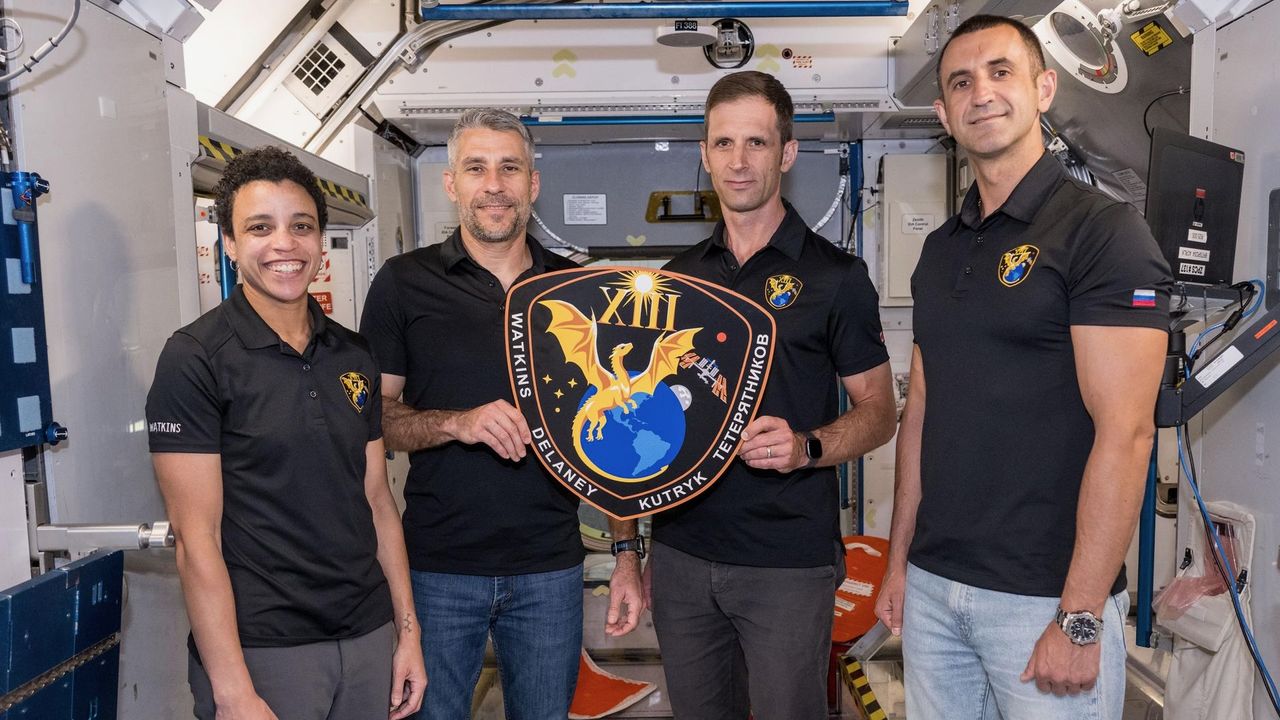
SpaceX and NASA have postponed Crew-13, their next crewed mission to the International Space Station, after engineers discovered an oxidizer leak on the Dragon spacecraft. The launch was originally scheduled for September 12 but now sits without a confirmed new date as teams conduct repairs and investigation.
The oxidizer leak affects the Dragon's reaction control system, which uses hypergolic propellants to maneuver the capsule during spaceflight. This system remains essential for orbital insertion, docking procedures, and safe reentry. NASA and SpaceX take such anomalies seriously because they directly impact crew safety during critical mission phases.
Crew-13 carries four astronauts to the ISS. Three are NASA crew members, while one represents an international partner. Their launch represents a continuation of Commercial Crew Program operations, which has successfully rotated astronaut teams to the station since SpaceX's Crew-1 mission in November 2020. The program restored American crewed spaceflight capability after a decade-long gap when the U.S. relied solely on Russian Soyuz vehicles for station access.
SpaceX has maintained a rapid launch cadence for Dragon crew missions, typically spacing them four to six months apart. This delay disrupts that schedule but reflects the operational discipline both agencies employ when hardware anomalies surface. The company has built multiple Dragon spacecraft specifically for crew operations, allowing flexibility to resolve issues on one vehicle while preparing others for flight.
Previous Dragon missions have experienced minor technical issues that required attention between launches. In April 2021, a Crew-2 Dragon experienced a small fuel leak during launch preparations, triggering a brief delay. SpaceX responded with hardware modifications and enhanced monitoring protocols. This latest oxidizer leak suggests engineers will likely conduct similar root cause analysis before clearing the spacecraft for human spaceflight.
The ISS currently hosts seven crew members from Expedition 70, including three cosmonauts, two astronauts from Japan and Denmark, and two NASA astronauts. Crew rotations typically overlap by several days to ensure knowledge transfer and operational continuity. Any delay to Crew-13 will shift the timing of the incumbent crew's departure and Crew-12 astronauts' return to Earth.
NASA's Human Spaceflight Operations division works closely with SpaceX's mission management teams during the deliberation process. Engineers conduct leak rate analysis, component testing, and systems assessments to determine whether repairs can proceed at the launch facility or require returning the Dragon to SpaceX's manufacturing facility in Hawthorne, California. Oxidizer-related repairs sometimes necessitate extended facility time because technicians must verify seal integrity and repressurization procedures.
The delay underscores the complexity of human spaceflight operations. Unlike uncrewed cargo missions where launch schedules flex around technical problems, crew missions involve international coordination, ISS resource allocation, and crew readiness timelines. Both NASA and SpaceX have demonstrated commitment to flight safety over launch schedules, a principle established during the Space Shuttle program era.
SpaceX will announce the new target date once engineering teams complete their assessment and obtain clearance from NASA's Flight Readiness Review board. The company operates multiple launch facilities and has other missions in its manifest, giving it flexibility to accommodate schedule adjustments while prioritizing crew safety above launch cadence.