# 'Star Wars: Zero Company' Brings Military Sci-Fi Strategy to Life
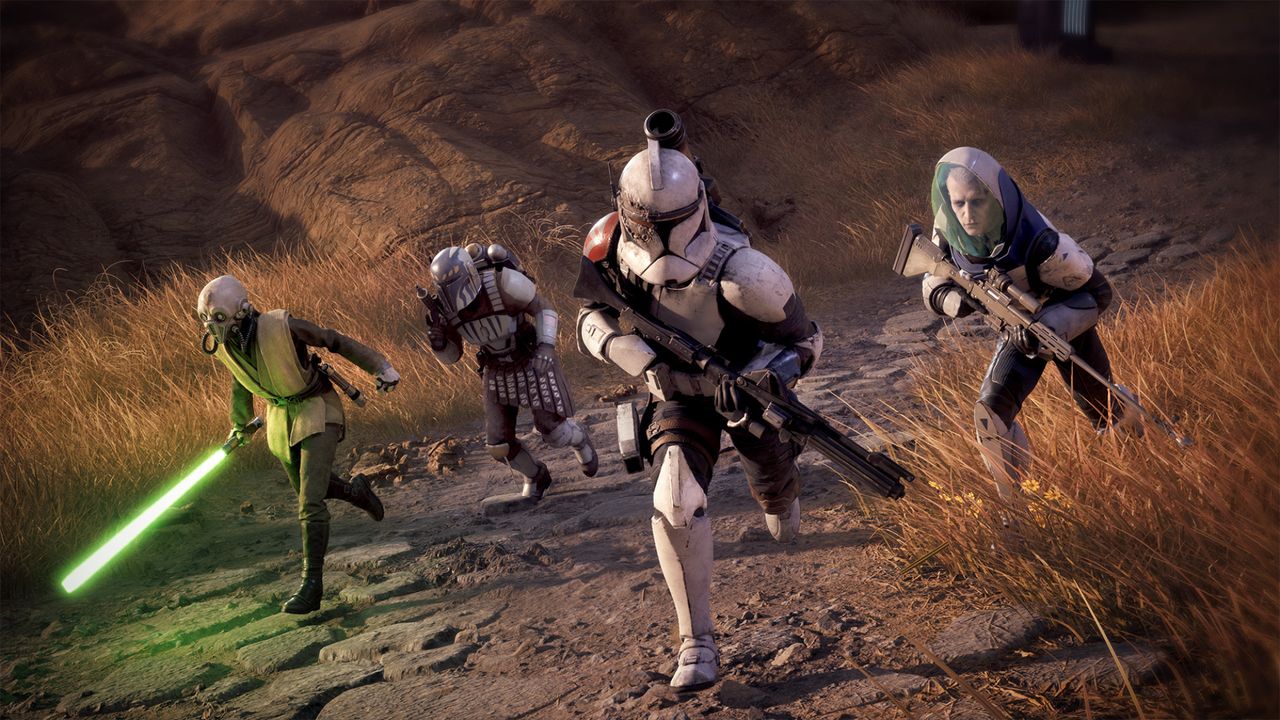
Bitreactor's new game "Star Wars: Zero Company" channels the tactical depth of XCOM into a Star Wars narrative that prioritizes intimate storytelling over galaxy-spanning spectacle. The title demonstrates how video games can capture the franchise's core appeal through mechanics that emphasize squad strategy and character-driven moments.
The game pairs turn-based tactical combat with a smaller-scale narrative arc. Rather than focusing on Jedi heroes or galactic war, "Zero Company" follows a military unit operating in the Star Wars universe. This approach mirrors the success of shows like "The Mandalorian" and "Andor," which found fresh ground by exploring the galaxy beyond lightsaber duels and Force powers.
XCOM's influence shapes the gameplay foundation. Players manage squad positioning, manage resources between missions, and make tactical decisions where unit positioning and cover mechanics determine outcomes. Each combat encounter requires planning rather than reflexes. Soldiers have distinct abilities and loadouts. Permadeath or lasting injuries create tension around every decision. This framework translates well to the Star Wars setting, where the Rebellion and Imperial forces operate through military structures that benefit from squad-level storytelling.
The narrative hook centers on a Special Forces unit facing morally complex missions. Developer Bitreactor avoids retreading the Skywalker saga or rehashing Jedi mysticism. Instead, the story explores what ordinary soldiers experience in a universe ruled by Force users and mega-weapons. This ground-level perspective lets writers develop character arcs that diverge from established canon without requiring knowledge of nine films and multiple TV series.
The art style renders environments with Star Wars visual language while maintaining clarity for tactical gameplay. Players distinguish allies, enemies, and terrain features instantly. This balance between fidelity and function represents a design choice many licensed games struggle with.
"Zero Company" enters a market where Star Wars games range from action-oriented titles like "Jedi Survivor" to narrative adventures like "Outlaws of the Old Republic." Tactical games occupy a smaller niche. The title competes less directly with mainstream Star Wars releases and instead appeals to players seeking strategic depth wrapped in familiar IP.
The critical response emphasizes how "Zero Company" honors Star Wars by refusing to simply replicate existing films. The smaller-stakes approach works because it trusts the setting's depth. Combat encounters occur on forgotten worlds. Dialogue reveals character through mission debriefs rather than exposition dumps. Squad members develop relationships through shared danger rather than scripted cutscenes.
This design philosophy aligns with how tabletop RPGs have explored the Star Wars universe for decades. Games like "Edge of the Empire" created compelling stories at street level, where smugglers, mercenaries, and rebels operated outside the main narrative. "Zero Company" achieves similar results through video game systems that reward tactical thinking and penalize careless decisions.
The title demonstrates that licensed games need not chase blockbuster appeal. A well-executed tactical strategy game with thoughtful writing can recapture what draws audiences to Star Wars. The magic lies not in spectacle but in stakes, character, and choice. "Zero Company" delivers on all three by building a game where a small unit's decisions matter within a universe far larger than any single story.