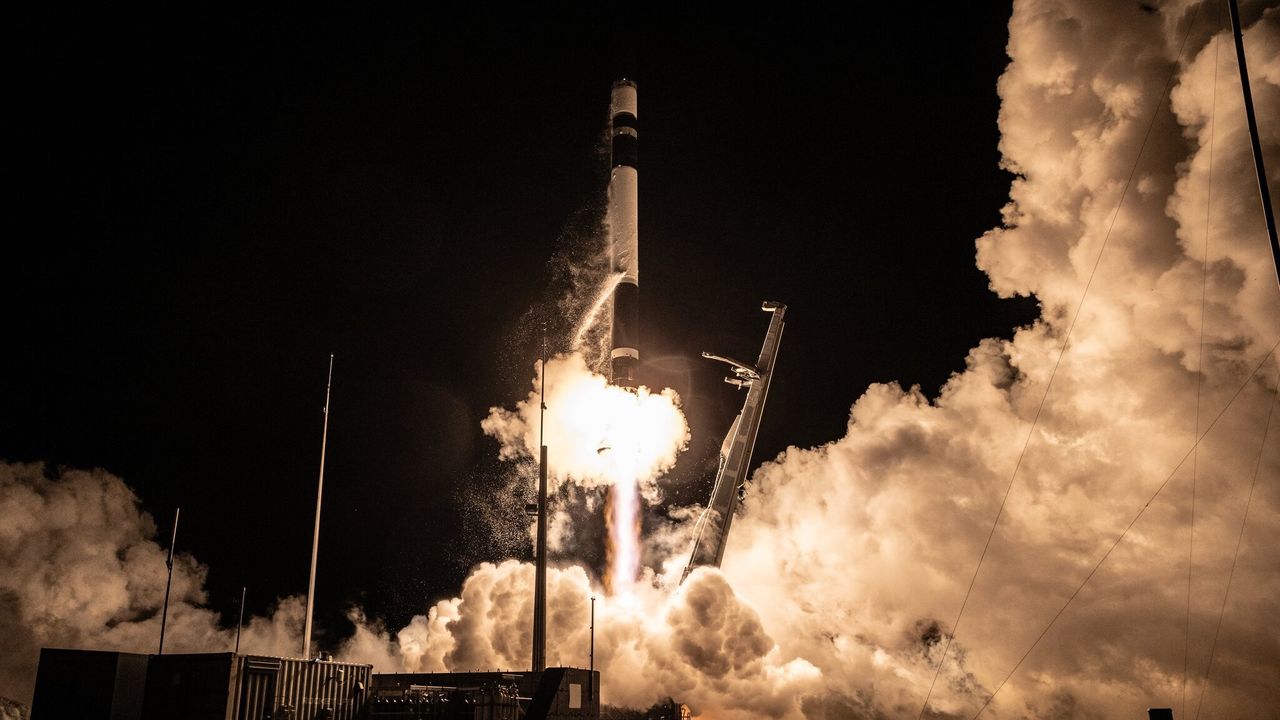
Rocket Lab is poised to loft a Japanese synthetic aperture radar satellite into orbit on the morning of September 1, marking another commercial mission for the small-launch specialist. The company will attempt the launch from its Launch Complex 1 facility in Mahia, New Zealand, with live coverage available to the public.
The mission carries a radar imaging satellite for Japan's space program, part of the country's expanding Earth observation capabilities. Synthetic aperture radar systems operate independently of cloud cover and daylight conditions, providing persistent monitoring of land surfaces, coastal zones, and maritime activity. This technical advantage makes radar satellites essential tools for disaster response, infrastructure monitoring, and environmental tracking. Japan has invested in redundant radar coverage to ensure continuous data streams for national security and civilian applications.
Rocket Lab operates one of the world's few commercial platforms specifically engineered for small-to-medium payload deployment. The Electron rocket stands approximately 57 feet tall and carries up to 1,200 kilograms to low Earth orbit, filling a niche that larger launch vehicles ignore. Traditional rockets like SpaceX's Falcon 9 and United Launch Alliance's Atlas V optimize for heavy payloads, leaving operators of smaller satellites with limited options. Rocket Lab's business model centers on frequent, reliable access to space at lower cost and minimal scheduling delays.
The New Zealand-based company has conducted dozens of orbital missions since 2017, establishing itself as a reliable partner for government agencies and commercial operators. Each Electron flight typically carries multiple small satellites, though dedicated missions for single, larger payloads have become increasingly common. The Japanese radar satellite represents the latter category, underscoring confidence in Rocket Lab's technical execution and launch cadence.
Tuesday's mission continues Rocket Lab's partnership with Japan's space sector. The company has previously launched Japanese satellites and payloads for research institutions, demonstrating the cross-Pacific commercial relationship. Japan's Aerospace Exploration Agency (JAXA) and private manufacturers depend on flexible launch providers to maintain Earth observation constellations that support everything from agricultural monitoring to typhoon tracking.
The early-morning launch window reflects orbital mechanics and ground station positioning. New Zealand's Southern Hemisphere location and the specific inclination required for this satellite's mission determine launch timing. Weather conditions at the Mahia Peninsula significantly influence launch probability, given the region's exposure to Tasman Sea weather systems. Rocket Lab has invested in advanced weather forecasting to maximize first-attempt success rates.
Recent years have intensified competition in the commercial launch sector. Beyond Rocket Lab, companies including Virgin Orbit and Axiom Space pursue various small-launch strategies, though Virgin Orbit suspended operations in 2023. Rocket Lab maintains technological and operational advantages through flight heritage and customer diversification. The company has also developed the Neutron rocket, a medium-lift vehicle intended for deployment in the mid-2020s, signaling ambitions beyond the small-launch market.
This Japanese radar satellite mission underscores accelerating demand for dedicated Earth observation data. Nations worldwide recognize that persistent, detailed surface monitoring drives climate science, disaster management, and strategic awareness. Commercial launch providers that demonstrate reliability and accessibility will capture expanding market share as satellite operators expand constellation sizes and refresh aging systems.
The September 1 launch represents routine operations in an increasingly crowded orbital environment, yet reflects deepening integration between government space agencies and private launch operators in serving Earth observation needs.