# The 12 Best Science Fiction Films of the 2000s: A Decade That Redefined the Genre
The 2000s transformed science fiction cinema into a proving ground for blockbuster filmmaking and artistic ambition. This decade delivered both franchise revivals that honored their predecessors and original concepts that challenged audiences to reimagine humanity's place in the cosmos.
The period opened with "X-Men" in 2000, which proved superhero narratives could anchor serious science fiction themes around mutation, discrimination, and evolutionary biology. Director Bryan Singer grounded mutant action in genuine social allegory, establishing a template that would influence superhero cinema for two decades.
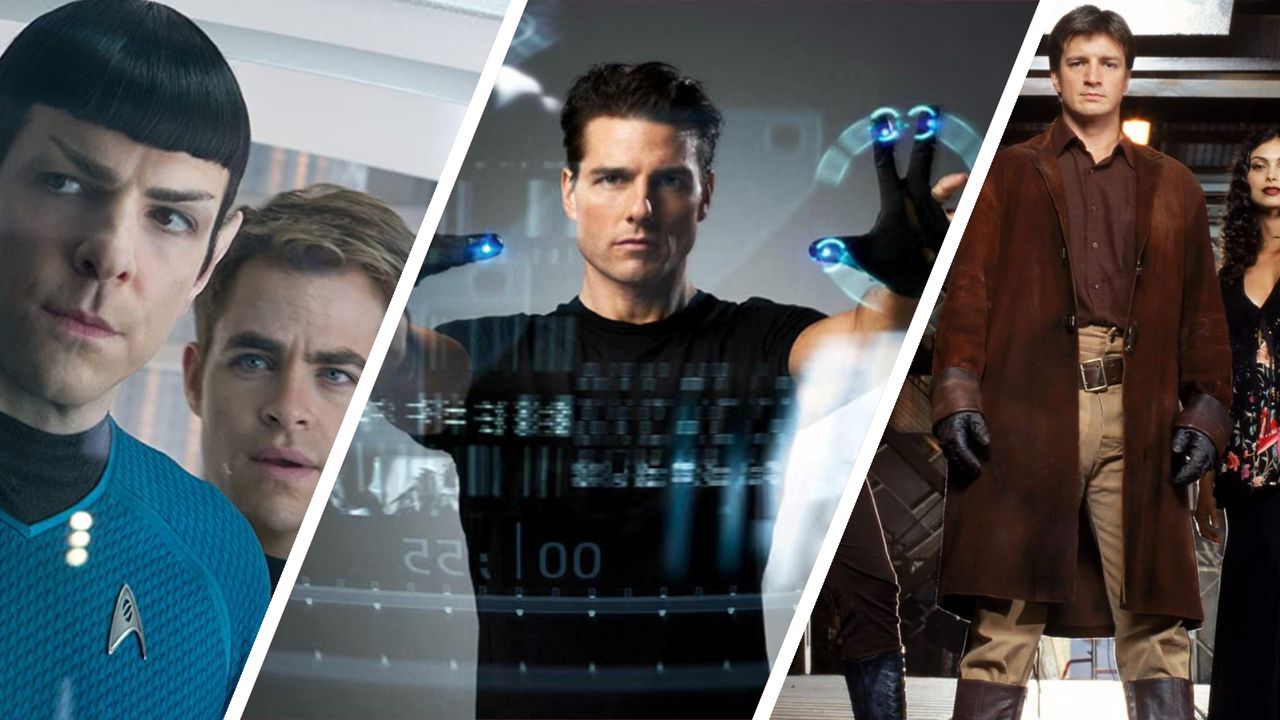
Christopher Nolan reshaped time-based narrative with "Memento" in 2000, then delivered "The Prestige" in 2006, a film that weaponized science fiction's love of paradox and temporal manipulation. "Minority Report" in 2002 gave Steven Spielberg a chance to explore precognition, free will, and surveillance states through Philip K. Dick's vision. Spielberg's "War of the Worlds" in 2005 presented alien invasion through the lens of post-9/11 anxiety and parental desperation.
The decade's most consequential film arrived in 2009 with "Avatar." James Cameron's three-hour immersion in Pandora revolutionized motion capture technology and 3D cinematography. The film's blend of environmental parable and indigenous resistance narrative within a sci-fi military framework created the highest-grossing film of all time. Avatar proved that science fiction could carry philosophical weight while achieving unprecedented technical spectacle.
"The Matrix" sequels bookended the decade's middle years with "Reloaded" and "Revolutions" in 2003, expanding the simulated reality concept into metaphysical territory. The Wachowskis pursued increasingly abstract storytelling about consciousness and rebellion, even as audiences debated their philosophical coherence.
Time travel emerged as the decade's obsession. "The Terminator 3: Rise of the Machines" in 2003 and "Terminator Salvation" in 2009 kept the franchise's temporal mechanics spinning. "12 Monkeys" derivatives appeared in films like "Looper," which explored causality through assassination across time.
Alien invasion narratives flourished beyond Spielberg. "War of the Worlds" shared shelf space with "Independence Day" nostalgia and newer entries that twisted the formula. Dystopian futures dominated: "Children of Men" in 2006 presented infertility as humanity's extinction vector, while "Cloverfield" in 2008 brought found-footage immediacy to kaiju destruction.
"WALL-E" in 2008 demonstrated that Pixar animation could carry profound science fiction ideas about waste, automation, and environmental collapse. The film required minimal dialogue yet communicated complex themes about humanity's relationship with technology and consumption.
The decade also embraced adaptation. "Stardust" in 2007 brought Neil Gaiman's universe to screen. "The Golden Compass" in 2007 attempted Philip Pullman's alternate-world theology, though with mixed results. "Hellboy II: The Golden Army" in 2008 showed Guillermo del Toro's gift for translating fantastical science fiction into visual spectacle.
By 2009, the 2000s had proven science fiction's dominance in multiplex culture. Franchises returned with increasingly sophisticated special effects. New directors established themselves as masters of speculative narratives. The decade closed with cinema transformed by technological capability and storyteller ambition. The 2000s didn't just make science fiction movies. They made science fiction essential to how contemporary filmmakers explore ideas about technology, time, identity, and survival.