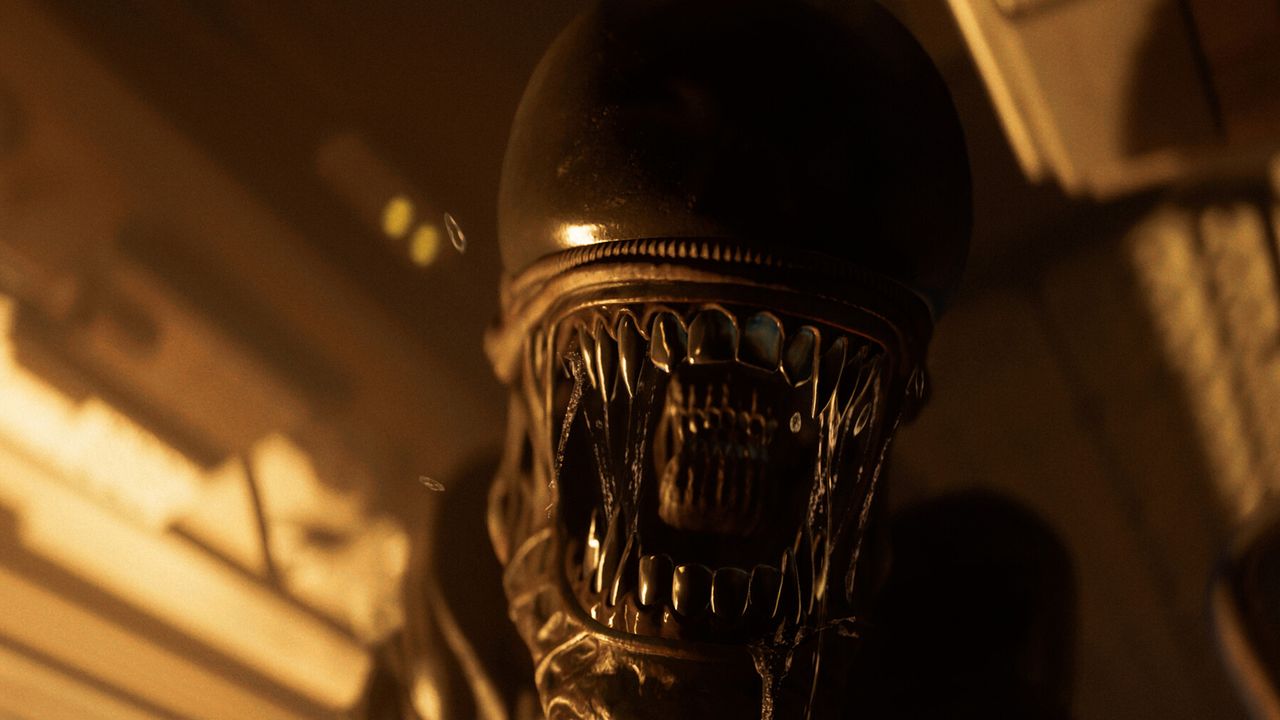
# Alien: Isolation 2 Returns a Decade Later with Enhanced Horror Design
Creative Director Al Hope reflects on the long-awaited sequel to one of gaming's most acclaimed sci-fi horror titles. After ten years since the original Alien: Isolation launched in 2014, the franchise returns to the xenomorph-infested corridors of deep space with Alien: Isolation 2, and Hope describes the experience as "coming home" for the creative team.
The original Alien: Isolation became a landmark title in survival horror gaming. Released by Creative Assembly and published by Sega, it placed players aboard Sevastopol Station with a single, relentless xenomorph hunting them through claustrophobic environments. The game captured the methodical dread of Ridley Scott's 1979 film Alien, prioritizing atmosphere and tension over combat. Players relied on stealth, resource management, and environmental manipulation rather than firepower. That design philosophy earned critical acclaim and established the game as the definitive interactive interpretation of the Alien universe.
The decade-long gap between installments reflects the deliberate pace of horror game development. Creating sustainable tension across hours of gameplay demands careful pacing, environmental storytelling, and encounter design. The original's success came partly from its restraint. Xenomorphs appeared unpredictably, forcing players into constant vigilance. Encounters felt dangerous regardless of preparation.
Hope's involvement in the sequel positions Creative Assembly to maintain that core philosophy while advancing what horror design can achieve. The studio has spent years analyzing what resonated with players and where the original game could evolve. Modern gaming hardware allows for more sophisticated AI behaviors, improved sensory feedback through controller haptics, and environmental destruction that creates new survival options and complications.
The phrase "coming home" suggests the creative team views this project as a return to foundational work rather than a departure from it. After a decade of other projects and industry evolution, sequels often risk losing the magic that made originals resonate. Hope's framing indicates the team understands what made Alien: Isolation exceptional and intends to preserve it.
The sequel arrives in a gaming landscape transformed by hardware generations and player expectations. Survival horror has evolved through games like Resident Evil Village, The Outer Wilds, and Death's Door. AAA horror now balances accessibility with scarcity. Players expect meaningful choice in how they approach threats. The environment itself must offer agency. These lessons likely inform Alien: Isolation 2's design.
Details about scare factor remain sparse, but Hope's emphasis on upping the fear quotient suggests the sequel won't simply repeat 2014's design. This could mean more unpredictable xenomorph behavior, environmental hazards that compound survival difficulty, or narrative circumstances that prevent the player from relying on previously successful strategies. The horror sequel formula demands escalation while maintaining what made the original work.
For fans of the Alien franchise, the sequel represents official canon continuation. Unlike the Alien films' mixed recent reception, Alien: Isolation remains universally praised among players and critics. Creative Assembly's stewardship of this universe has earned trust. A successful sequel could establish gaming as the franchise's most reliable medium for horror storytelling, potentially influencing how Twentieth Century Studios approaches future Alien films.