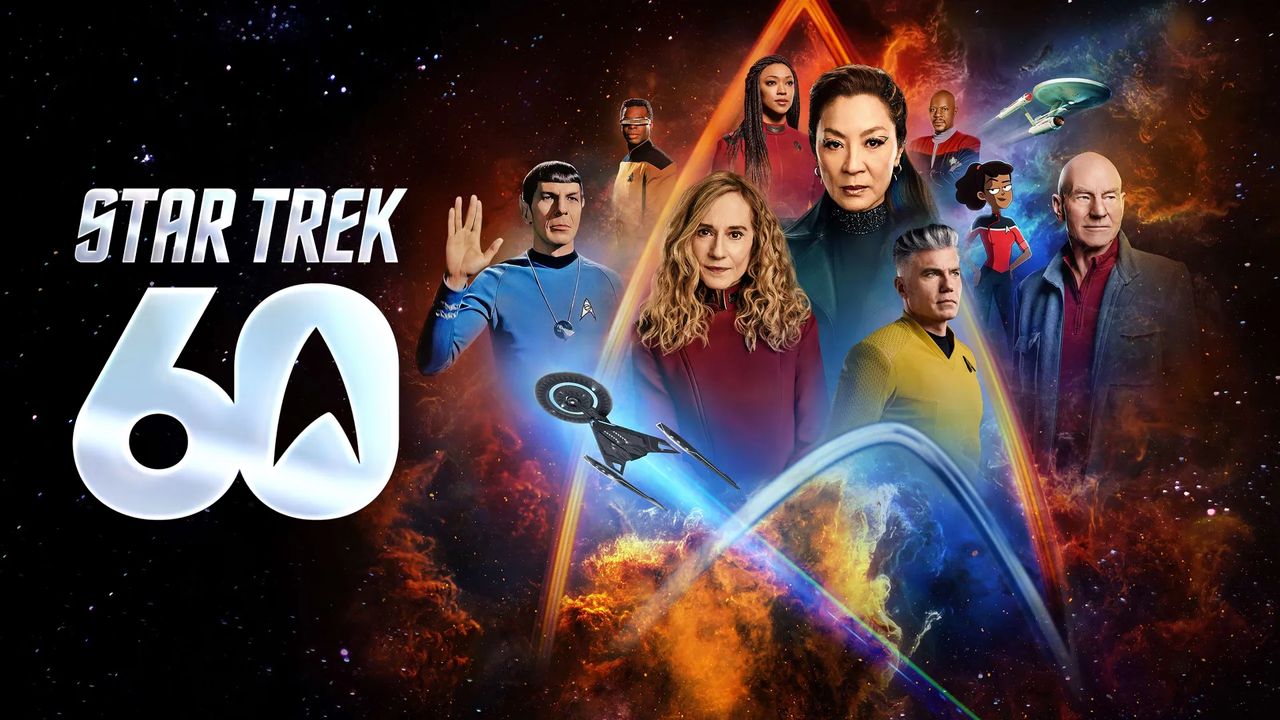
Gene Roddenberry's Star Trek franchise reaches its 60th anniversary this year, marking six decades of influence on space exploration culture, scientific imagination, and the popular understanding of technology. The original series premiered on September 8, 1966, and has since expanded into 13 television series, 13 feature films, and countless books, games, and merchandise that have collectively shaped how millions envision humanity's future in space.
The franchise's reach extends far beyond entertainment. Astronauts, engineers, and scientists have repeatedly cited Star Trek as formative inspiration for their careers. The show's speculative technologies, from the tricorder to the communicator, anticipated real innovations in handheld computing and wireless communication. NASA named its first Space Shuttle orbiter Enterprise after the fictional starship, a direct acknowledgment of the show's cultural resonance. The series helped normalize the idea of space exploration as an achievable human endeavor rather than pure fantasy.
Star Trek's longevity reflects evolving attitudes about space and technology across generations. The Original Series presented an optimistic vision of a united human future, reflected in its diverse bridge crew and idealistic Prime Directive. The Next Generation, Deep Space Nine, Voyager, and Enterprise each reframed that vision for their respective eras. Recent entries like Discovery, Picard, and Strange New Worlds have grappled with contemporary concerns including institutional accountability, technological ethics, and what happens when exploration confronts hostile realities.
From a storytelling perspective, Star Trek established narrative templates that persists across science fiction television. The ensemble cast structure, the emphasis on dialogue-driven problem-solving over combat, and the "problem of the week" episodic format influenced generations of shows. The franchise demonstrated that serious philosophical questions about consciousness, ethics, and identity could anchor popular entertainment without sacrificing mass appeal.
The franchise's current state presents both vitality and challenge. Paramount's decision to fragment Star Trek across multiple streaming platforms has complicated viewership patterns, yet fan engagement remains active across digital communities. The 2009 reboot films and their sequels introduced Star Trek to audiences unfamiliar with the television canon, expanding the demographic reach. Meanwhile, the serialized structure of recent series signals a shift away from episodic storytelling that defined earlier decades.
The anniversary comes at an inflection point for space exploration itself. Real-world developments in commercial spaceflight, lunar return missions, and interplanetary robotics have made space tangibly closer to public consciousness than at any point since the Apollo era. This convergence between fictional speculation and actual capability creates opportunity for Star Trek to reclaim some of its original cultural authority as a framework for imagining human futures in space.
The health report on the franchise reveals a property with enduring cultural infrastructure, active creative output, and significant influence on how scientists and engineers conceptualize their work. The next 60 years will test whether Star Trek can maintain relevance as space exploration becomes incrementally less speculative and more operational.